


CAIRO – Monday, November 9, 2026
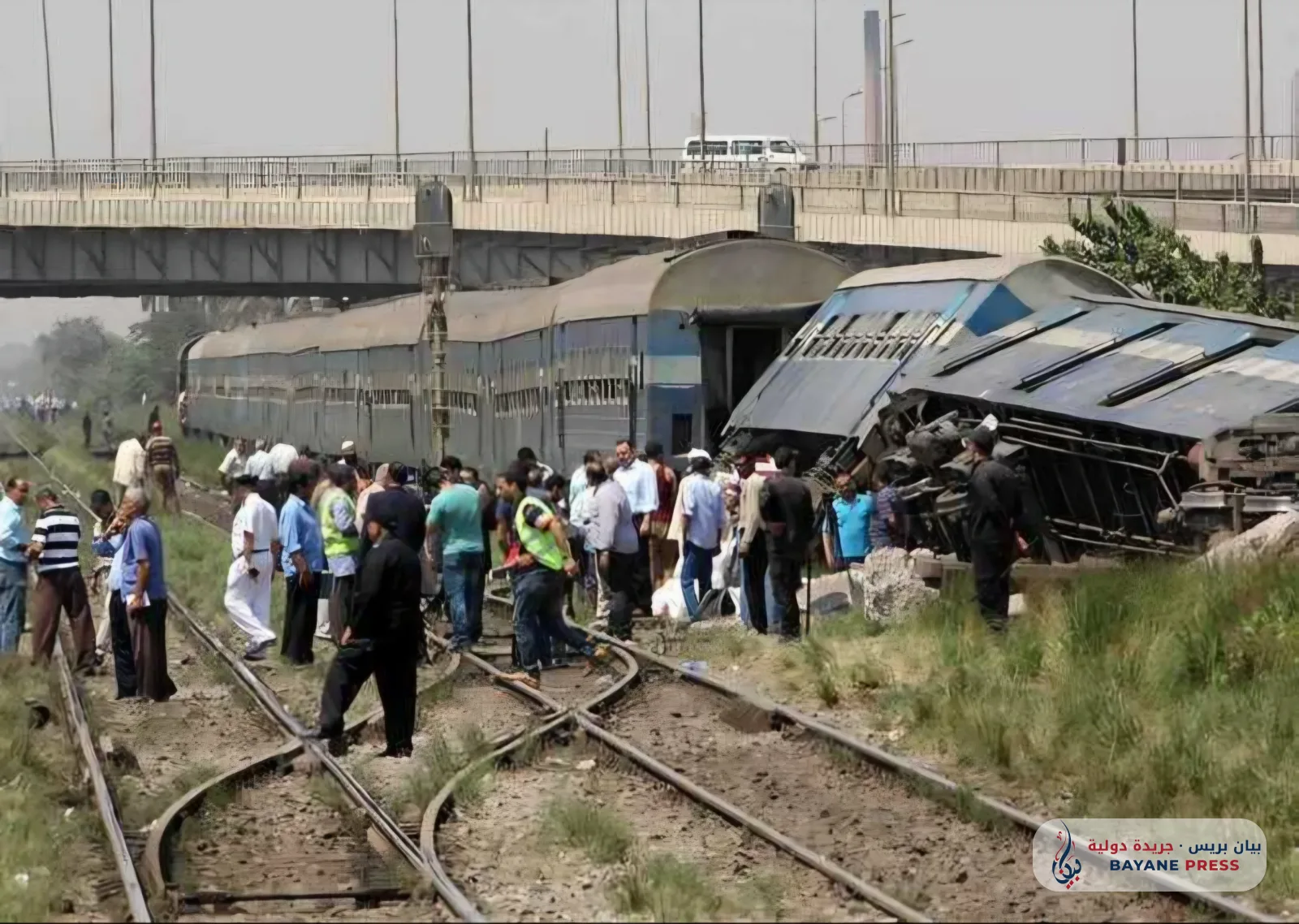
The repercussions of the train collision in the Al-Ayyat area of Giza Governorate continue in Egypt, leaving seven dead and 125 injured, as judicial and technical investigations widen to uncover the true causes of the disaster. This comes as train traffic resumes on the Upper Egypt line, amid escalating parliamentary demands to hold those responsible for any proven negligence accountable.
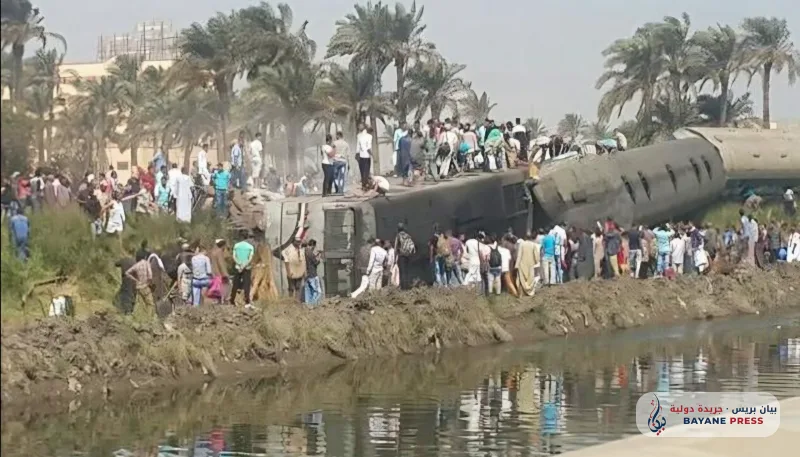
According to data released by the Egyptian Public Prosecution, the accident occurred on Sunday, November 8, between the Kafr Ammar and Al-Riqqa stations. The front of train No. 134, known as "Tahya Misr," traveling from Giza to Fayoum, collided with the last carriage of train No. 2010, traveling from Cairo to Aswan, while the latter was stopped on the same track. The impact caused several carriages to derail, resulting in casualties and injuries to dozens of passengers.
The Ministry of Health and Population revealed, in the latest official toll, that hospitals received 132 cases, including seven deaths and 125 injured, after 72 ambulances participated in rescue and evacuation operations. The cases were distributed among Al-Wasta Central Hospital, which received 87 cases including three deaths; Al-Ayyat Central Hospital, which received 34 cases; and Atfih Central Hospital, which received 11 cases including four deaths.
The Ministry explained that 71 injured individuals were discharged from hospitals after their health improved, while 11 cases were transferred to Beni Suef University Hospital and Beni Suef Specialized Hospital to continue treatment. Currently, 43 injured patients are still receiving medical care and observation, including 23 at Al-Ayyat Hospital, 13 at Al-Wasta, and seven at Atfih Hospital.
Injuries ranged from fractures in limbs, the pelvis, and vertebrae, to head and facial wounds, chest and rib contusions, and other injuries of varying severity, while medical teams continue to monitor cases requiring additional therapeutic interventions.
In the latest judicial developments, the Public Prosecution continued on Monday to hear the testimonies of the injured and eyewitnesses, once they were medically cleared to speak, in an effort to reconstruct the moments leading up to the collision, determine the circumstances of the Aswan-bound train's stop, and how the second train approached it without avoiding the collision.
The Prosecution ordered the formation of a specialized technical committee to inspect the damaged carriages, the tracks, and the accident site, to review operational and safety procedures, and to verify whether any malfunctions or shortcomings contributed to the collision. The Administrative Prosecution Authority has also initiated investigations into the incident, broadening the scope of inquiry into potential responsibilities within the entities responsible for railway operations.
Among the most prominent questions guiding the investigations is whether the signaling system sent a warning to the driver of train No. 134 before the collision, whether the warning arrived in time, and the reasons for train No. 2010 stopping on the main line.
A responsible source in the Railway Authority told "Al-Shorouk" newspaper about technical possibilities regarding a delay in receiving the stop signal or a failure to respond to it. However, these remain within the scope of preliminary analysis, and no final investigation results have been issued to prove the cause of the accident or determine liability. The Prosecution also confirmed in its initial statements that the driver of train No. 134 was among the deceased.
At the government level, Egyptian President Abdel Fattah El-Sisi directed a swift investigation into the circumstances of the accident, ensuring medical care for the injured, and holding anyone found responsible for negligence or failure accountable. Minister of Transport Kamel El-Wazir and the Governor of Giza traveled to the collision site to oversee the removal of damaged carriages and the rehabilitation of the track.
The Egyptian National Railways Authority announced on Monday morning the completion of the removal of damaged carriages and the restoration of track efficiency, allowing for the resumption of train traffic on the Cairo-High Dam line, following disruptions and delays that affected passenger travel to Upper Egypt governorates.
The disaster's repercussions extended to the Egyptian Parliament, where members of the Senate stood for a minute of silence for the victims during their plenary session. Meanwhile, MP Mohamed Gibril, a member of the Transport and Communications Committee in the House of Representatives, submitted an urgent briefing request to the Prime Minister and the Minister of Transport, demanding the disclosure of the incident's circumstances, the determination of responsibilities, and the announcement of findings to the public.
On the social front, the Financial Regulatory Authority directed the insurance pool against railway and metro accident risks to expedite compensation procedures, exceptionally increasing the insurance compensation value from 30,000 to 50,000 EGP for cases of death and permanent total disability, while other injuries will be handled according to legal rules and medical reports. The Ministry of Social Solidarity also announced arrangements to provide financial assistance to the victims' families, based on eligible cases.
Despite the resumption of train traffic, the file is not yet closed, as the results of the technical inspection and judicial investigations remain the decisive factor in determining whether the collision resulted from a technical failure in the signaling system, human error, or shortcomings in operational and safety procedures.
Comments (0)
No comments yet. Be the first to react!