


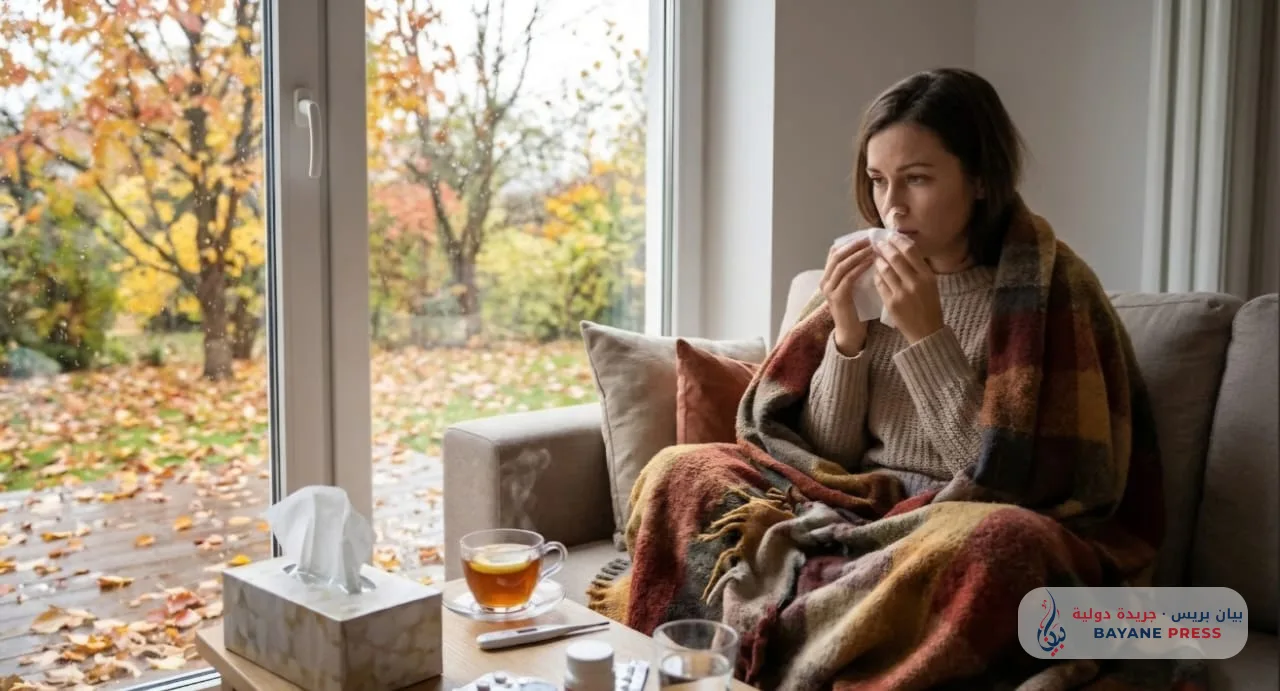
The arrival of autumn brings notable climate and environmental changes that pave the way for the return of seasonal activity of many respiratory viruses, headed by the influenza virus; this acute viral disease that affects the respiratory system and poses a health and economic challenge every year affecting millions of people worldwide. The World Health Organization (WHO) and the United States Centers for Disease Control and Prevention (CDC) classify autumn flu as a viral infection caused mainly by two fundamental types of viruses, A and B, belonging to the Orthomyxoviridae family, which are responsible for seasonal epidemic spread waves. These viruses are characterized by their extraordinary capacity to undergo minor and frequent mutations in their surface proteins, specifically hemagglutinin and neuraminidase, a biological phenomenon scientifically known as "antigenic drift", which leaves the human immune system unable to generate permanent immunity against them from one season to the next and makes it necessary to annually update vaccine strains to match the most widespread ones.
The autumn flu outbreak is not only related to the mere presence of the virus, but to the combination of a series of environmental, physiological and behavioral factors that create an ideal environment for the spread of infection. With falling temperatures and decreasing levels of absolute humidity in outdoor air during this season, airborne viral particles stabilize in microscopic droplets that remain suspended longer and enjoy greater structural stability compared to warm, humid climates. At the same time, inhaling cold, dry air inhibits the natural defense mechanisms of the respiratory tract; thus, the effectiveness of mucociliary clearance in the nose decreases and the blood vessels of the mucous membranes constrict, limiting the arrival of immune cells and the secretion of immunoglobulins necessary to neutralize foreign bodies as soon as they penetrate. The propagation circle is completed by the human behavior factor, represented by the return to schools and universities and the growing tendency to spend more time in poorly ventilated indoor spaces, which increases the likelihood of infection transmission through direct respiratory droplets caused by coughing or sneezing, or indirectly by touching contaminated surfaces and then touching the mouth, nose or eyes.
The clinical symptoms of autumn flu usually begin to manifest after a brief incubation period ranging between one and four days from the date of exposure to the virus, and its course is characterized by a sudden and acute onset, which constitutes the fundamental difference that clinically distinguishes it from common colds, which develop gradually and with milder symptoms. A flu episode usually begins with a sudden and considerable rise in body temperature that can exceed 38.5 degrees Celsius, accompanied by intense chills and tremors, in addition to a severe headache usually centered on the forehead and around the eye sockets. All of this is accompanied by widespread and exhausting muscle and joint pain, especially in the lower back and extremities, as well as extreme physical fatigue and total exhaustion that can force the patient to stay in bed for several days. Once the virus settles in the respiratory mucosa, respiratory symptoms emerge, including a dry, nagging cough, sore throat, nasal congestion or discharge, along with a burning sensation and mild tightness behind the sternum, and children may specifically develop additional digestive symptoms such as nausea, vomiting and diarrhea.
Although most healthy patients recover from the flu within one to two weeks without severe complications, accredited medical references confirm that this disease can become a life-threatening condition for certain population sectors considered at higher risk, such as adults over sixty-five years old, children under five years old, pregnant women and people with chronic diseases such as asthma, chronic obstructive pulmonary disease (COPD), diabetes, heart disease and kidney failure, in addition to immunocompromised patients. The most serious complications of the flu consist of the appearance of pneumonia, either as a primary viral infection caused by the influenza virus itself, or as a secondary bacterial infection caused by germs such as *Streptococcus pneumoniae* or *Staphylococcus aureus* after damage to the pulmonary epithelial tissue. Other possible complications include myocarditis, encephalitis, otitis media in children, and the exacerbation of severe crises of underlying chronic diseases, which can lead to acute respiratory failure requiring therapeutic intervention in intensive care units.
Medical management of autumn flu requires a therapeutic approach based on scientific evidence, divided between supportive care measures and other targeted pharmacological interventions, with a strict emphasis on the uselessness of antibiotics to treat the flu since it is a viral disease; in fact, excessive use of these without the presence of a confirmed secondary bacterial infection contributes to aggravating the problem of antimicrobial resistance. Supportive care is based on absolute bed rest to help the immune system, the abundant intake of warm fluids and water to hydrate mucous membranes and prevent dehydration, and the use of nasal saline solutions to relieve congestion. Likewise, over-the-counter antipyretics and analgesics are prescribed, mainly paracetamol and ibuprofen, to mitigate fever and joint and muscle pain, with the decisive medical warning prohibiting the administration of aspirin or salicylate compounds to children and adolescents with flu-like symptoms, in order to avoid the risk of contracting "Reye's syndrome", a rare but serious disorder that affects the liver and brain.
On the other hand, at the specific pharmacological level, medical protocols from the CDC and the World Health Organization recommend the selective use of medically prescribed antivirals, highlighting the category of neuraminidase inhibitors such as the oral drug "oseltamivir" and the inhaled "zanamivir", in addition to "baloxavir marboxil", which acts by inhibiting the virus cap-dependent endonuclease. The maximum efficacy of these medications lies in initiating their administration within the first forty-eight hours after the onset of symptoms, as they manage to shorten the duration of the disease by one to two days, mitigate the intensity of manifestations and reduce the probabilities of life-threatening complications and hospitalization, especially in patients belonging to higher risk groups or in those whose clinical situation requires hospital admission. Immediate medical evaluation remains indispensable upon the appearance of signs of severity, such as difficulty breathing, persistent chest pain, mental confusion, or the acute return of fever and cough after initial improvement.
Global health authorities agree that annual flu vaccination constitutes the cornerstone and the first and most effective line of defense to prevent the disease, reduce its complications and decrease mortality rates derived from it. It is advised to receive the quadrivalent seasonal flu vaccine in early autumn, specifically during the months of September and October, to grant the immune system a sufficient period of two weeks destined to produce protective antibodies before the peak of community spread of the virus is reached. This pharmacological immunization is complemented by non-pharmacological preventive health measures, which include consistency in thorough hand washing with soap and water or the use of hand sanitizer gels, the practice of good cough and sneeze etiquette covering the mouth and nose with a tissue or with the inside of the elbow, the care to periodically ventilate homes and workplaces, and avoiding attending crowded places or maintaining contact with sick people, it being imperative that the sick person themselves isolates at home until the fever disappears for at least twenty-four hours without resorting to antipyretics, thus protecting those around them and breaking the chains of transmission within society.



Comments (0)
No comments yet. Be the first to react!