


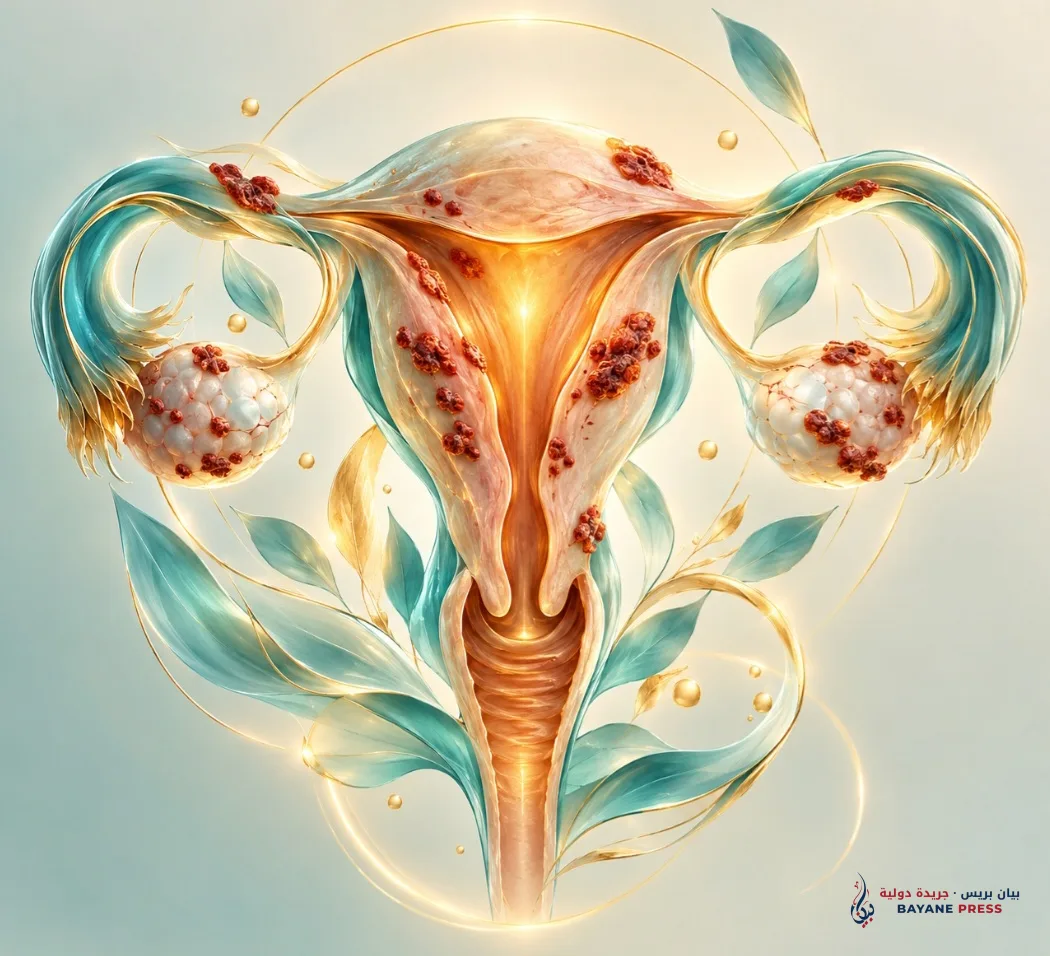
Endometriosis, medically known as the presence of endometrial tissue outside the uterus, is one of the most complex and common chronic gynecological diseases. Data from international medical organizations indicate that around 10% of women of reproductive age suffer from this condition. The main pathological problem lies in the growth of tissues that resemble in their characteristics and composition those that line the uterine cavity from the inside, but which are found in locations outside the uterus, such as the ovaries, fallopian tubes, and uterine supporting tissues, sometimes extending to affect other organs in the pelvic cavity such as the bladder and intestines. These abnormal tissues are affected by monthly hormonal changes in the exact same way as normal endometrium, growing and thickening, then breaking down and bleeding with each menstrual cycle. However, the inability of menstrual blood to exit through natural pathways causes chronic inflammation, swelling, and the formation of blood cysts, in addition to the formation of severe fibers, scars, and adhesions between the various pelvic organs.
The clinical symptoms associated with this pathological condition vary considerably and are often accompanied by sharp, debilitating pain that includes severe dysmenorrhea, chronic pain in the pelvic region and lower back, as well as discomfort during sexual intercourse or when defecating and urinating. Likewise, endometriosis constitutes a primary cause of delayed conception and infertility in women due to the impact of adhesions and inflammatory processes on the efficiency of the ovaries or fallopian tubes. Despite continuous development in approved diagnostic methods, such as magnetic resonance imaging and advanced ultrasound, definitive diagnosis often requires surgical intervention via laparoscopy to examine the tissues directly.
Regarding the therapeutic approach, approved medical references confirm that there is currently no complete and definitive cure for this disease. Instead, treatment plans aim to effectively control symptoms, limit the worsening of the case, and improve the patient's quality of life. Therapeutic options are based on two main axes: the first is pharmacological treatment, which includes the use of anti-inflammatory painkillers and hormonal treatments such as oral contraceptives or hormonal inhibitors to reduce tissue activity and inhibit the menstrual cycle; the second is minimally invasive surgical intervention via laparoscopy to remove ectopic tissue, release adhesions, relieve pelvic pain, or treat persistent fertility issues. Early diagnosis and regular medical follow-up remain the first line of defense to limit advanced complications and help affected women regain physical and psychological balance.



Comments (0)
No comments yet. Be the first to react!