

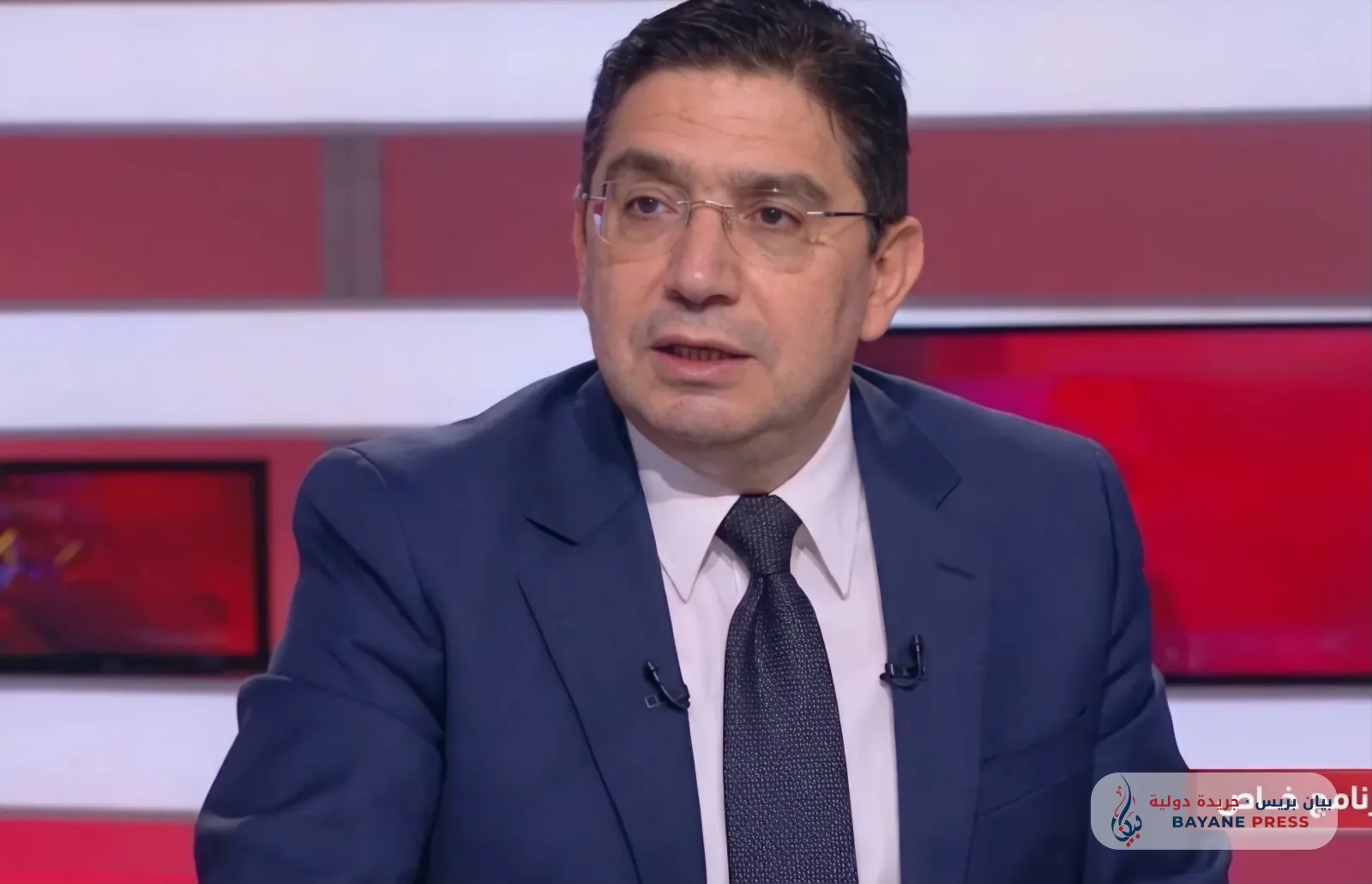
Nasser Bourita's appearance on Channel 2 was not merely a routine communication exercise to absorb the shockwaves of the Russian "veto" inside the Security Council. Rather, it felt like a political announcement inaugurating a new diplomatic phase, coinciding with the explicit welcome issued in the Royal Cabinet's statement. Examining the contents of this interview reveals that the minister did not come to explain what happened in New York, as much as he came to outline a systematic break with a UN process that has lasted for over three decades. Dissecting his statements provides a clear understanding of the profound transformations Moroccan diplomacy has entered.
First statement: "We made no effort to persuade Russia to modify its position"
This stance may outwardly appear as an uncharacteristic diplomatic arrogance in dealing with a superpower holding veto power, but breaking it down reveals a calculated strategic choice. Rabat realized that accommodating Russian conditions to avoid the veto would have necessarily required diluting the American support for the autonomy initiative and making concessions in wording that would return the dossier to previous cycles of hesitation. The decision not to "appease Moscow" reflects a Moroccan conviction that preserving the core political gain within the text of the resolution—even if it falls to a veto—is far more valuable than buying a gray consensus resolution that extends Minurso's mandate and recycles stagnation. Here, Morocco chose clarity over fragile consensus.
Second statement: "11 votes in favor of the resolution against 3 for Moscow"
Bourita's resort to the language of numbers is not just a rhetorical display of victory, but an attempt to dismantle the legitimacy of the veto morally and politically. Morocco wants to establish the fact that the overwhelming majority within the UN executive body is convinced of the viability of the Moroccan initiative and the necessity of ending the 1991 formula. Nevertheless, the flip side of this equation shows that the UN mechanism has become structurally paralyzed. When the majority (11 votes) is completely paralyzed before the will of a single power invoking its calculations in a global power struggle with Washington, continuing to rely on the Security Council becomes a waste of time.
Third statement: "Minurso's departure will not be an expulsion, but a responsible and orderly exit"
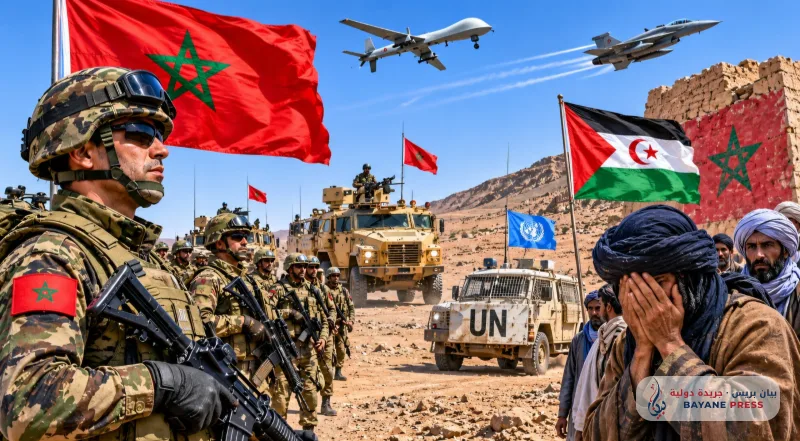
This point is the core of the transformation that directly intersects with the Royal Cabinet's welcome. Moroccan diplomacy did not treat the collapse of the mission's renewal as a setback, but as a historic opportunity to free itself from a long-standing security and legal burden. Dissecting this statement shows that Morocco no longer sees any utility in the presence of UN forces that over time transformed into a tool to freeze the status quo and provide a cover for what was called "buffer zones." The quiet departure of Minurso practically means the final dismantling of the illusion of liberated territories east of the security wall, and the restoration by the Royal Armed Forces of full freedom of movement, deployment, and deterrence directly at the line of contact. This means ending field mediation and moving to absolute sovereignty with direct national rules of engagement.
Fourth statement: "Going to the Fourth Committee due to the absence of the veto"
The minister's emphasis on opening the path of the General Assembly and its Special Committee on Decolonization represents a bold tactical shift. Rabat wants to move the battle to an arena of numerical democracy (one vote per country) to erase the dossier from the list of "Non-Self-Governing Territories." However, dissecting this direction requires acknowledging the ruggedness of this arena. The Fourth Committee has historically been a stronghold of traditional self-determination literature and a space for the influence of Non-Aligned Movement countries and adversaries' allies. This transition means that Moroccan diplomacy accepts fighting a costly and complex numbers battle in the Global South, relying on its network of African and international partnerships to drop the item altogether, abandoning the path of narrow consensus within the Security Council.
Fifth statement: "Changing the rules of the game instead of managing the conflict"
This phrase embodies the crux of the entire speech. Morocco officially announced its departure from the UN comfort zone. "Managing the conflict" meant coexisting with an annual renewal of Minurso, roundtables that lead to nowhere, and periodic, repetitive UN statements. As for "changing the rules," it means imposing a fait accompli on the ground: full military and security sovereignty east of the security wall without blue helmets, tying any political negotiation to the autonomy initiative as the sole framework, and obliging international powers to take decisive stances far from the gray area.
Dissecting Bourita's outing shows that Morocco is not adapting to the repercussions of a UN crisis, but is utilizing it to impose a strategic break. The entire 1991 system has collapsed, and the phase of "rough sovereignty" and direct deterrence has begun, where Rabat is no longer willing to buy artificial stability by postponing the final resolution of its territorial integrity.
Comments (0)
No comments yet. Be the first to react!