


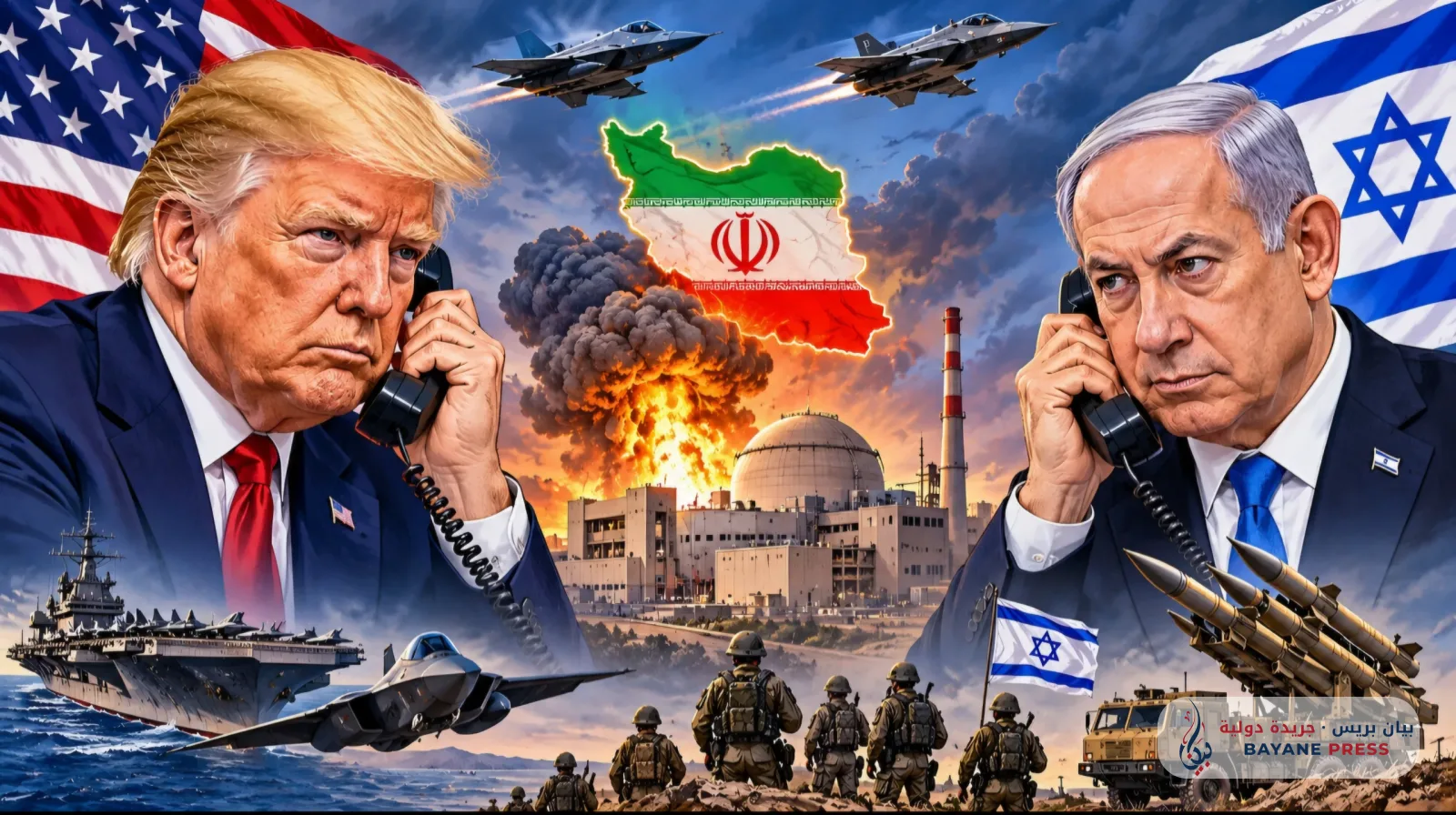
Well-informed sources revealed that U.S. President Donald Trump held a high-level phone call with Israeli Prime Minister Benjamin Netanyahu on Saturday morning, coinciding with preparations by Washington to draft operational plans aimed at resuming military strikes against Tehran. This comes as field threats intersect with accelerated regional and international diplomatic moves to defuse the explosion and avoid a renewed confrontation.
The Wall Street Journal, citing figures familiar with the content of the conversation, reported that consultations between the two sides coincided with American readiness and preparations for the potential resumption of military operations. This follows Trump's assertions that his country is still monitoring a bank of Iranian targets that have not yet been fully dealt with. The U.S. President reinforced these indications in remarks made later to reporters in Palm Beach, emphasizing Washington's need to address "one or two" additional sites inside Iranian territory, and estimating that the process of destroying them would take only about ten minutes.
Trump specifically mentioned the "Mountain of the Axe" facility, stressing the necessity of addressing this target—a site which Western intelligence estimates indicate is used to store nuclear materials, and which has remained immune to any direct U.S. military targeting throughout the course of the war so far.
Despite hinting at swift military options, Trump displayed a dual tone regarding the political track, noting that ongoing negotiations with Tehran are "going well," but quickly casting doubt on the reliability of the Iranian side, describing them as "not very reliable." This escalation paralleled the engagement of Iranian negotiators in intensive talks in the Qatari capital, Doha, on Saturday with Qatari mediators to discuss mechanisms for ending the war in the region, according to a well-informed source speaking to Reuters. The source indicated that the Doha meetings were an extension of marathon discussions lasting more than 12 hours on Friday in Tehran between Iranian and Qatari envoys, coordinated and in regular contact with the U.S. administration.
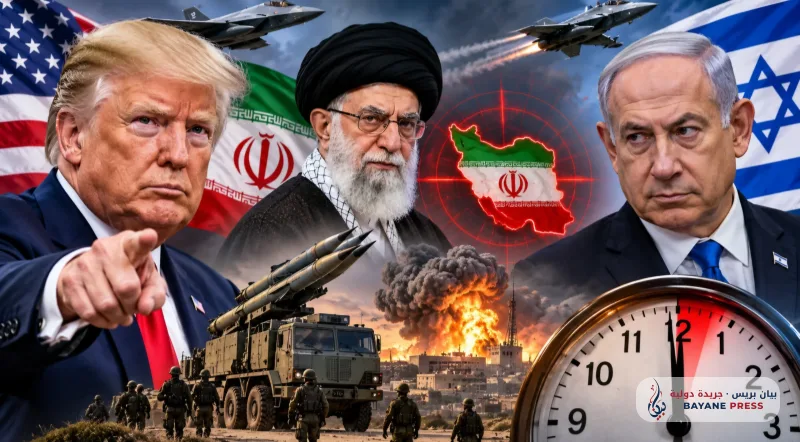
These complex moves come amid regional breath-holding and anticipation over the possibility of Trump resuming military attacks on Iran following the U.S. midterm elections this week, while diplomacy races against time to prevent the region from sliding back into the circle of fire. In contrast, Tehran reiterated its frequent warnings that any new attacks will be met with an immediate and direct response targeting American and Israeli bases and interests in neighboring countries, placing the Middle East before real risks of a comprehensive and open regional conflict.

Comments (0)
No comments yet. Be the first to react!