

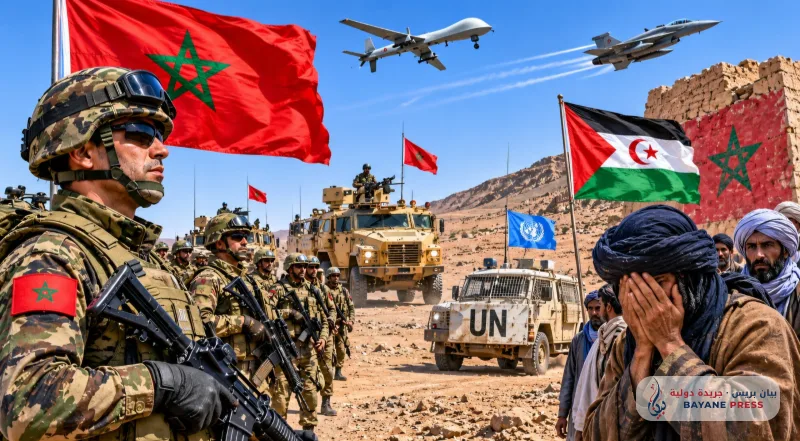
Behind the scenes of international diplomacy, specifically within the corridors of the United Nations, a silent yet turbulent confrontation is unfolding, centered on the future of the artificial dispute over the Moroccan Sahara. Its backdrop is a true test of the limits of major power influence and the ability of the UN system to adapt to the profound geopolitical shifts redrawing the map of influence in North Africa and the Atlantic. The current debate has moved beyond mere legal wrangling over UN resolution formulas or the mechanisms for extending peacekeeping missions, revealing a deeper strategic conflict between the logic of political realism—which enshrines Morocco's sovereignty and territorial integrity through the autonomy approach—and the logic of traditional stagnation defended by regional parties attempting to stall the wheels of history and circumvent the diplomatic and field gains accumulated by the Kingdom of Morocco over decades.
The recent resort to the veto in the Security Council, followed by discussions in the General Assembly under the relevant UN mechanism, was merely a mirror reflecting the erosion of obsolete formulas and their inability to offer successful solutions. This has placed Moscow, Washington, and other influential capitals before a test of moral and political accountability to the international community. When diplomacy drifts away from the constructive production of solutions and conflicting projects pile up without finding common ground, it becomes clear that Morocco, thanks to its proactive Royal vision, has succeeded in imposing a developmental and diplomatic agenda that has made the Autonomy Initiative the exclusive and indispensable reference for any serious settlement. Conversely, clinging to outdated theses and attempts to revive dead referendum formulas are nothing more than maneuvers to buy time and perpetuate a state of 'no-war, no-peace' that contradicts the requirements of regional and international security and stability.
This difficult labor the file is undergoing confirms beyond doubt that the bet on paralyzing UN institutions or besieging Moroccan legitimacy through diplomatic maneuvers is a losing one. The field speaks the language of development, and Morocco's African and Atlantic depth is witnessing major structural transformations that make the Moroccan Sahara a pivotal gateway for economic and strategic integration, rather than just a dispute file spinning in a vicious circle. Hence, the next phase requires the international community to read reality through a discerning lens that transcends Cold War calculations and reactive responses. The United Nations is called upon today, more than ever, to realize that the successive developments and increasing international recognition of Morocco's sovereignty over its southern provinces represent an established reality that cannot be bypassed, and that no future path will succeed unless it starts from the same coordinates established by Rabat through its tireless diplomatic and field efforts.
As a professional journalist from the Moroccan diaspora, I follow the details of this difficult diplomatic labor closely, with passion and vigilance. The Moroccan diaspora has never been detached from the issues of their motherland, foremost among them the cause of the Moroccan Sahara, which forms the compass of the national conscience wherever they go. Through my continuous participation in numerous meetings and seminars organized by active Moroccan community groups in Italy, I have felt a profound national awareness and a firm determination to remain mobilized to defend the Kingdom's territorial integrity, keeping pace with all international developments with a political and professional consciousness that translates the depth of the bond with the homeland and absolute faith in the justice of the cause. Contrary to the approach of prudence and strategic rationality that has long characterized the Royal discourse, especially in its repeated calls to build bridges of good neighborliness and overcome bilateral differences, Algeria continues to mortgage its people's resources in an absurd path that has lasted for decades. Instead of investing the financial abundance resulting from oil and gas revenues in developing infrastructure and achieving food security and job opportunities for youth suffering under the weight of marginalization, unemployment, and poverty—amidst restricted freedom of expression and the absence of real development—the political and military leadership has chosen to spend billions on arming and funding a terrorist separatist front in an artificial regional dispute over the Moroccan Sahara. In doing so, they have bypassed the aspirations of the region's peoples for stability and prosperity, confirming that the real crisis lies in the regime's insistence on perpetuating tension to divert attention from its internal structural crises, which places global diplomacy before the imperative of engaging seriously in the dynamics of true peace, far from calculations of obstruction and crisis.
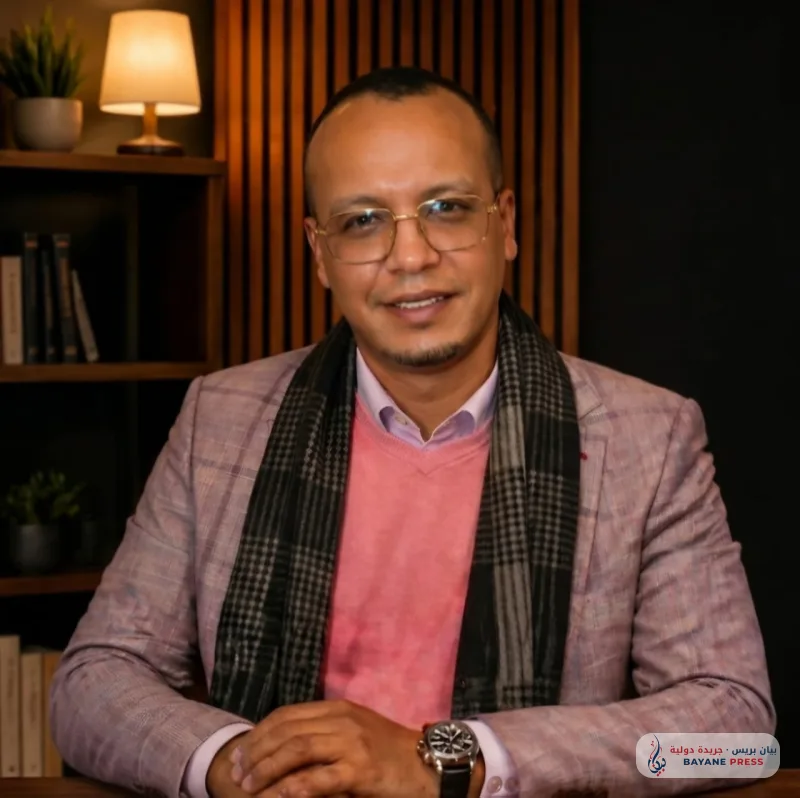
*Abdellah Machnoun
Journalist based in Italy, observer of political affairs
Interested in Arab affairs, migration issues, and research in thought and Islam.
Comments (0)
No comments yet. Be the first to react!