

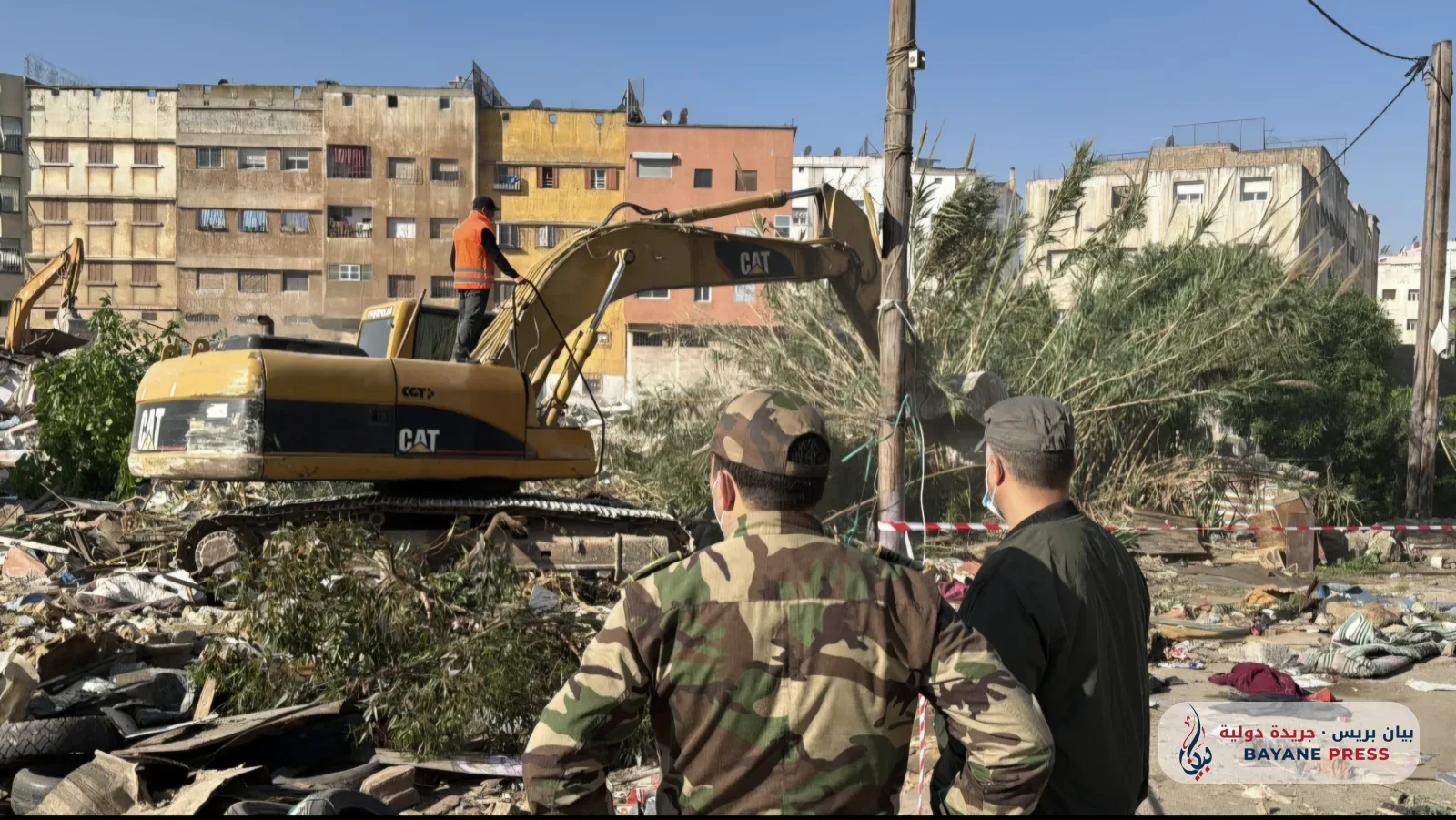
Moroccan authorities in the economic capital, Casablanca, are accelerating the pace of slum eradication as part of a vast program to rehouse families living in substandard dwellings, amid increasing field operations to dismantle a number of fragile residential settlements that have for decades represented one of the most significant social and urban challenges in the city and its suburbs.
Data published by the Moroccan press on Thursday, November 12, 2026, revealed that the rehousing operations are part of the "Cities Without Slums" program, which targets approximately 62,000 families distributed across the Casablanca prefecture, the provinces of Nouaceur and Mediouna, and the Mohammedia prefecture, with the aim of providing them with housing that meets decent living standards and improving the urban landscape of the economic capital.
Recent days have seen an intensification of slum clearance operations in several areas, as authorities under the Ain Sebaa-Hay Mohammadi prefecture worked to end the existence of the "Haqal Ar-Rimaya" douar in the Sakhr Souda district, while efforts are now shifting toward addressing the last remaining slum settlements in the "Lakouara" douar in the Ben M'Sick area.
In the Sidi Moumen area, the file of "Karyan Rahma," one of the most prominent remaining slum settlements in the city, has entered a new phase of administrative and field management, after local authorities under the Sidi Bernoussi prefecture began reviewing previous census operations and completing the files of the concerned families, in preparation for organizing rehousing operations and clearing existing dwellings.
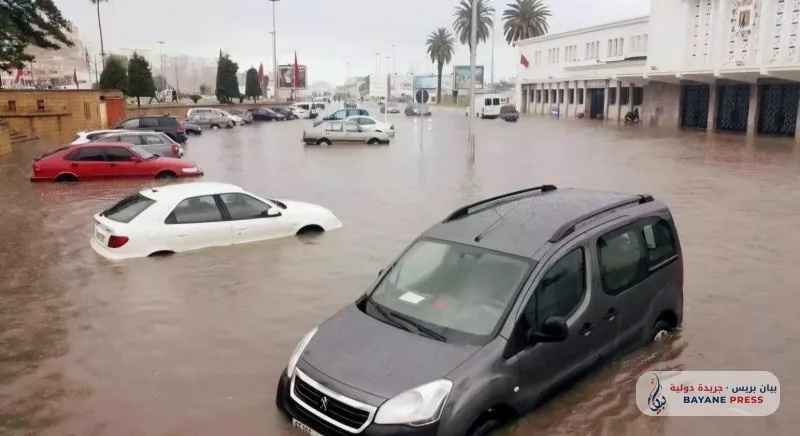
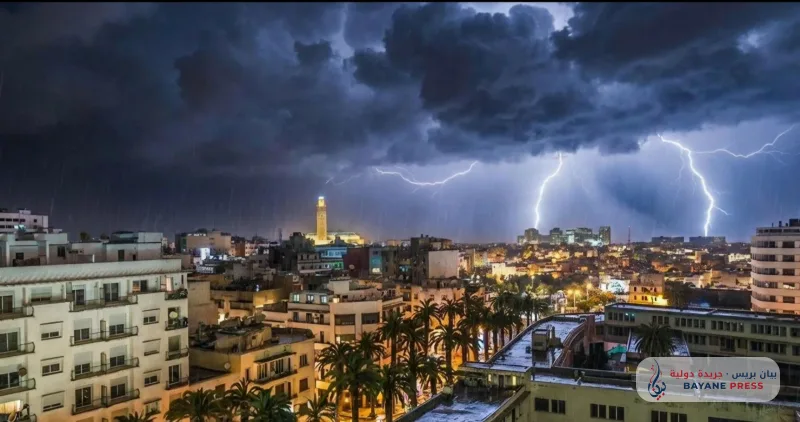
However, the progress recorded within the urban area of Casablanca is countered by persistent constraints in the Mediouna province, particularly in the communes of Mejjatia and Lahraouiyine, where families living in douars such as "Berchich," "Abad," and "Lozin Al-Oud" are still awaiting the regularization of their housing status, amid difficult living conditions that are further complicated by the arrival of the rainy season.
This situation poses a social challenge that goes beyond the mere removal of informal structures; it is fundamentally linked to ensuring that eligible families benefit from alternative housing, resolving pending administrative files, and providing a minimum level of social stability to prevent residents from transitioning from the fragility of slum living to the burdens of rent or the difficulties of resettlement.
Between the acceleration of demolition and rehousing operations and the continued wait for some families, Casablanca is entering a significant phase of the program to eliminate substandard housing, at a time when the success of this project remains dependent on completing the treatment of the remaining settlements and ensuring that urban transformations are coupled with a real and sustainable improvement in the living conditions of the residents.
Comments (0)
No comments yet. Be the first to react!