


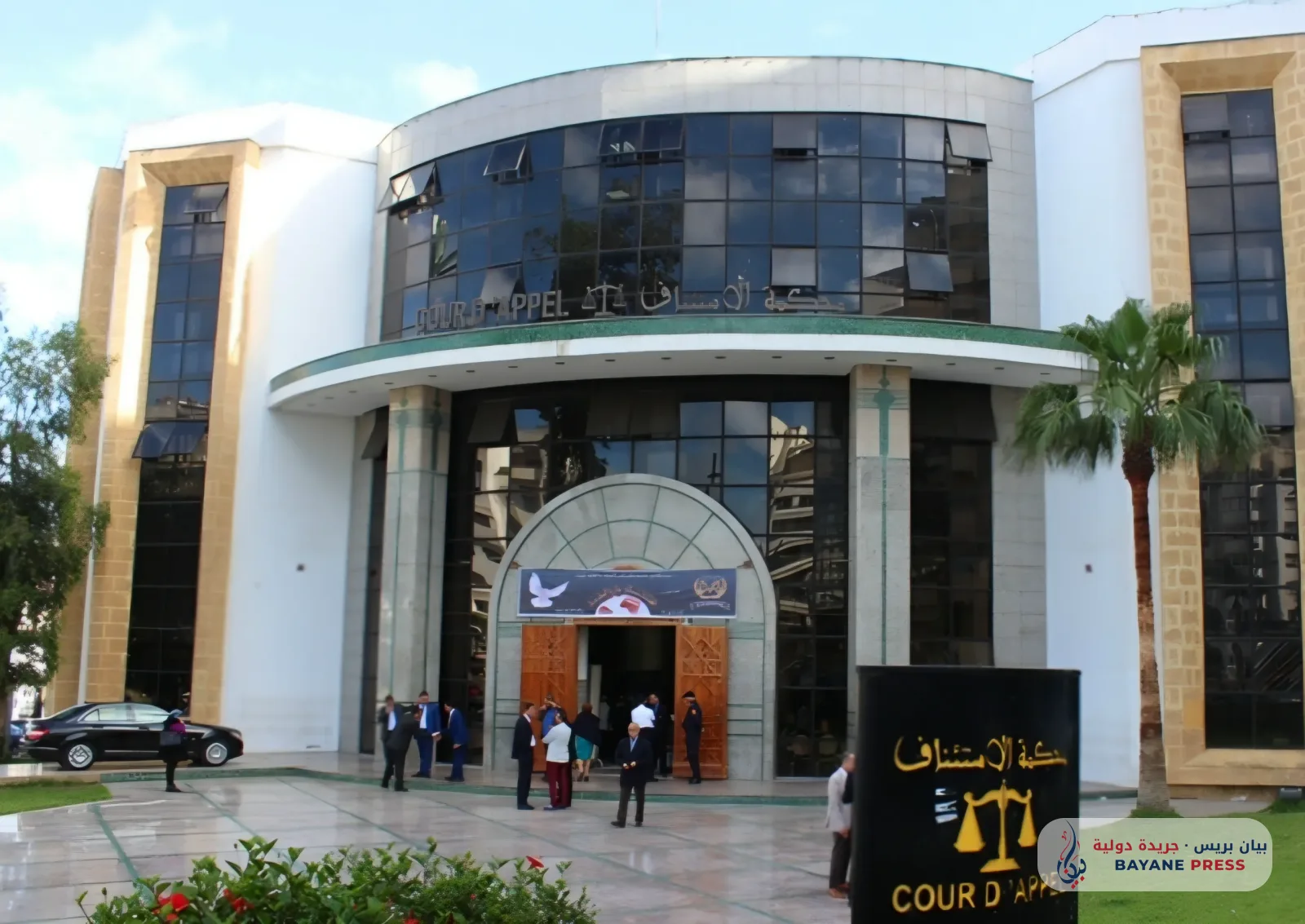
A judicial hearing at the Tangier Court of Appeal has revealed compelling details in a case involving suspected forgery of administrative and banking documents used in applications for Schengen area entry visas, after two defendants confirmed to the court that they had handed over 100,000 dirhams to an individual who promised to facilitate their travel procedures to Europe.
On Thursday, November 5, 2026, the Criminal Chamber of the First Instance began discussing the case, in which three individuals are being prosecuted—one in custody and two at liberty—on charges related to the forgery of official documents, administrative certificates, and commercial and banking papers, as well as suspicions related to facilitating illegal immigration.
During the hearing, the two defendants at liberty denied their involvement in the forgery operations, asserting that they were victims of a scam after they handed the main defendant their passports, national identity cards, and the aforementioned sum of money in exchange for help in obtaining two visas.
The individuals explained that they met the main defendant near the Spanish Consulate in Tangier, which, according to their statements, reinforced their belief that the procedures were legal, before they were surprised to be arrested and included as defendants in the case.
In contrast, the judicial panel confronted the main defendant with documents suspected of being forged, including an alleged marriage contract between the other two defendants, an employment certificate claiming one of them was an employee at the Court of First Instance, as well as banking documents suspected of being prepared to support the visa applications.
The Public Prosecution requested the application of the law and the imposition of maximum penalties on the defendants, given the gravity of the acts attributed to them, while the determination of individual responsibilities remains subject to the court's final verdict.
The case highlights the risks of resorting to unauthorized intermediaries to obtain visas, especially when promises to facilitate travel turn into high-cost financial transactions and suspicious files that may end in criminal prosecution rather than the realization of the dream of migration.



Comments (0)
No comments yet. Be the first to react!