

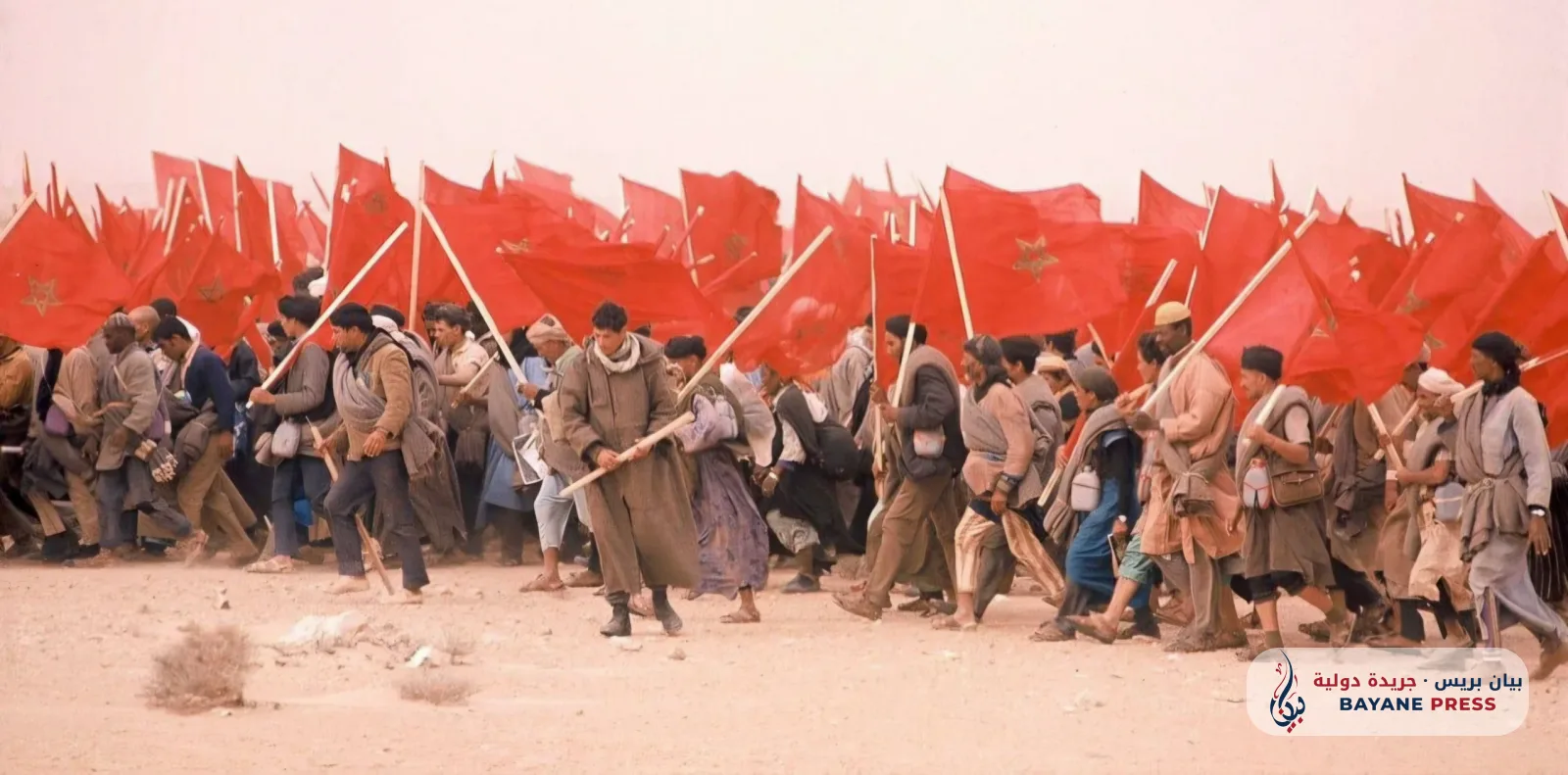
The Moroccan people celebrate, today Friday, November 6, 2026, the fifty-first anniversary of the Green March, which marked a pivotal milestone in the Kingdom's history and embodied one of the most prominent displays of national mobilization under the leadership of the late King Hassan II to end the Spanish colonial presence in the Sahara.
This anniversary takes on a special character this year, in light of the diplomatic shifts witnessed by the Sahara file and the accompanying developments at the international level, which have strengthened the presence of the territorial integrity issue in political and regional discourse.
The events of the March date back to November 6, 1975, when approximately 350,000 Moroccan volunteers, men and women, headed towards the Sahara in a peaceful march that became a symbol of the cohesion between the Throne and the people, and became linked in the national memory to the values of unity, solidarity, and attachment to the land.
On this occasion, the High Commission for Former Resistance Fighters and Members of the Liberation Army announced the organization of national, cultural, and historical activities across various regions of the Kingdom, including seminars, meetings, and the honoring of eight former resistance fighters and members of the Liberation Army, in recognition of their sacrifices for the sake of the nation.
The celebrations come at a time when Morocco continues to defend the Autonomy Initiative as the basis for a political solution to the Sahara issue, while strengthening investments and development projects in the southern provinces.
After fifty-one years, the Green March remains present in the Moroccan consciousness as more than just a historical event; it has transformed into a renewed symbol of national unity and the continuation of the path of construction and development under the leadership of King Mohammed VI.

Comments (0)
No comments yet. Be the first to react!