


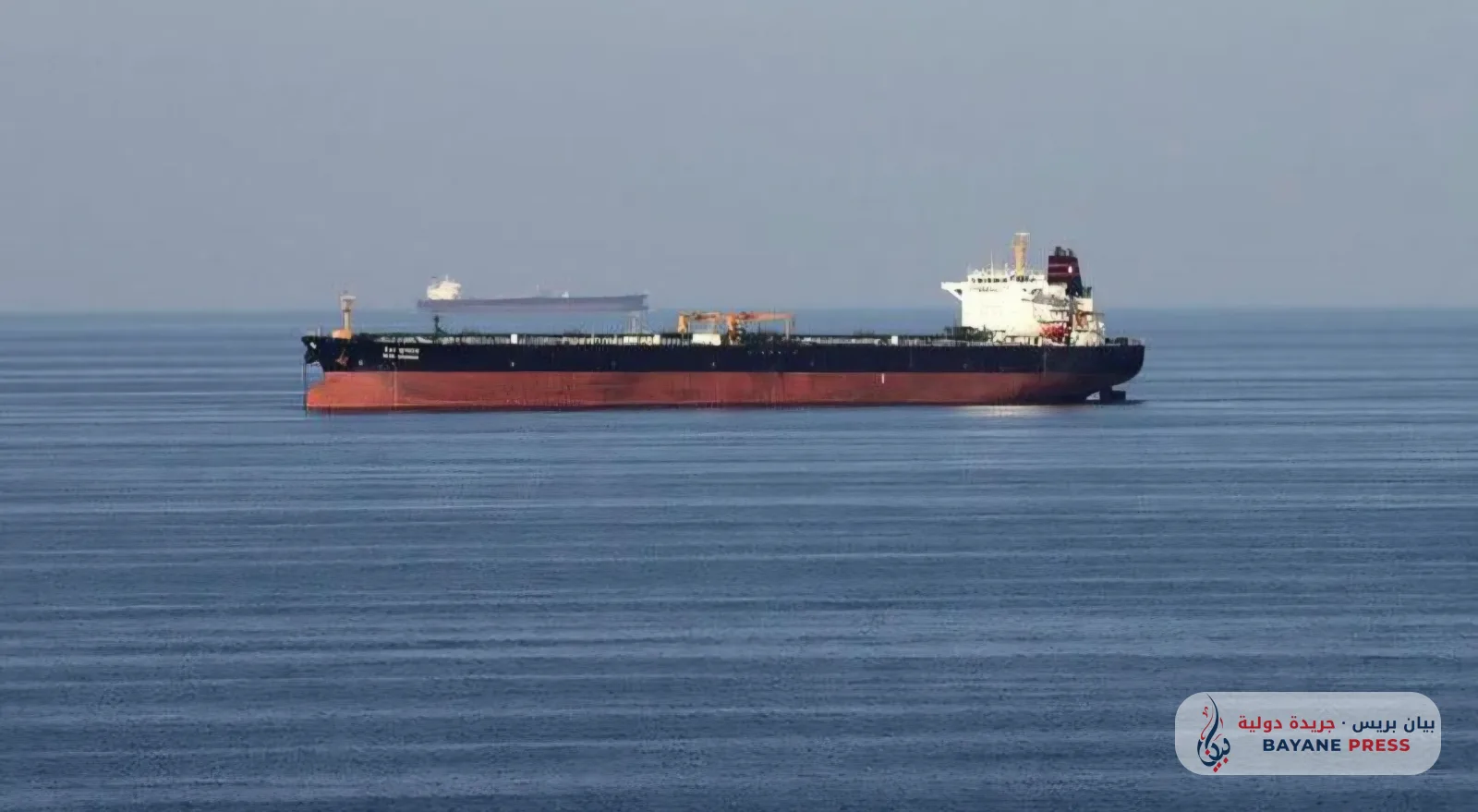
A routine voyage for a Greek-managed oil tanker turned into a deadly incident in Gulf waters after it was struck by unidentified projectiles, resulting in the death of a crew member and damage to its hull, in a new incident that brings to the fore growing concerns regarding the security of commercial shipping and the safety of sailors in a region considered one of the world's most vital energy arteries.
The Greek company "Velos Tankers" announced on Friday, November 6, 2026, that the tanker "Velos Sapphire," which sails under the Marshall Islands flag, suffered an explosion likely caused by a missile strike while sailing unladen toward Bahrain. The company confirmed that one sailor was found dead after being reported missing following the explosion, while the rest of the crew managed to contain the fire without recording further injuries or any leakage of pollutants into the sea.
According to data released by the United Kingdom Maritime Trade Operations (UKMTO), the attack occurred approximately 50 nautical miles north of the Qatari city of Al Shamal, after two unidentified projectiles struck the tanker late in the evening of November 4 (GMT). The vessel was subsequently moved to the Khalifa bin Salman Port in Bahrain for inspection and to determine the extent of the damage, as an investigation was launched to clarify the circumstances of the incident.
The gravity of the incident lies in its geographical location; it did not occur within the Strait of Hormuz, which has remained a central focus of maritime tensions, but rather in a deeper area within the Gulf, reflecting the widening geographical scope where commercial vessels face increasing security risks. These developments are particularly sensitive given the reliance of international trade and energy supplies on the safety of maritime corridors in the region.
Data from the International Maritime Organization indicates that 129 confirmed incidents have been recorded in the Strait of Hormuz and the surrounding maritime area as of November 5, signaling the persistent security pressures facing the shipping sector and the potential for rising insurance costs and the reassessment of trade routes if the attacks continue.
Although it is suspected that the tanker was hit by a missile, the identity of the perpetrator has not been officially established yet, making any direct accusation premature pending the results of the investigations. As efforts continue to identify the source of the attack, the most pressing question emerges: to what extent can commercial vessels continue to sail safely in the Gulf if corridors outside the Strait of Hormuz also become subject to targeting?


Comments (0)
No comments yet. Be the first to react!