

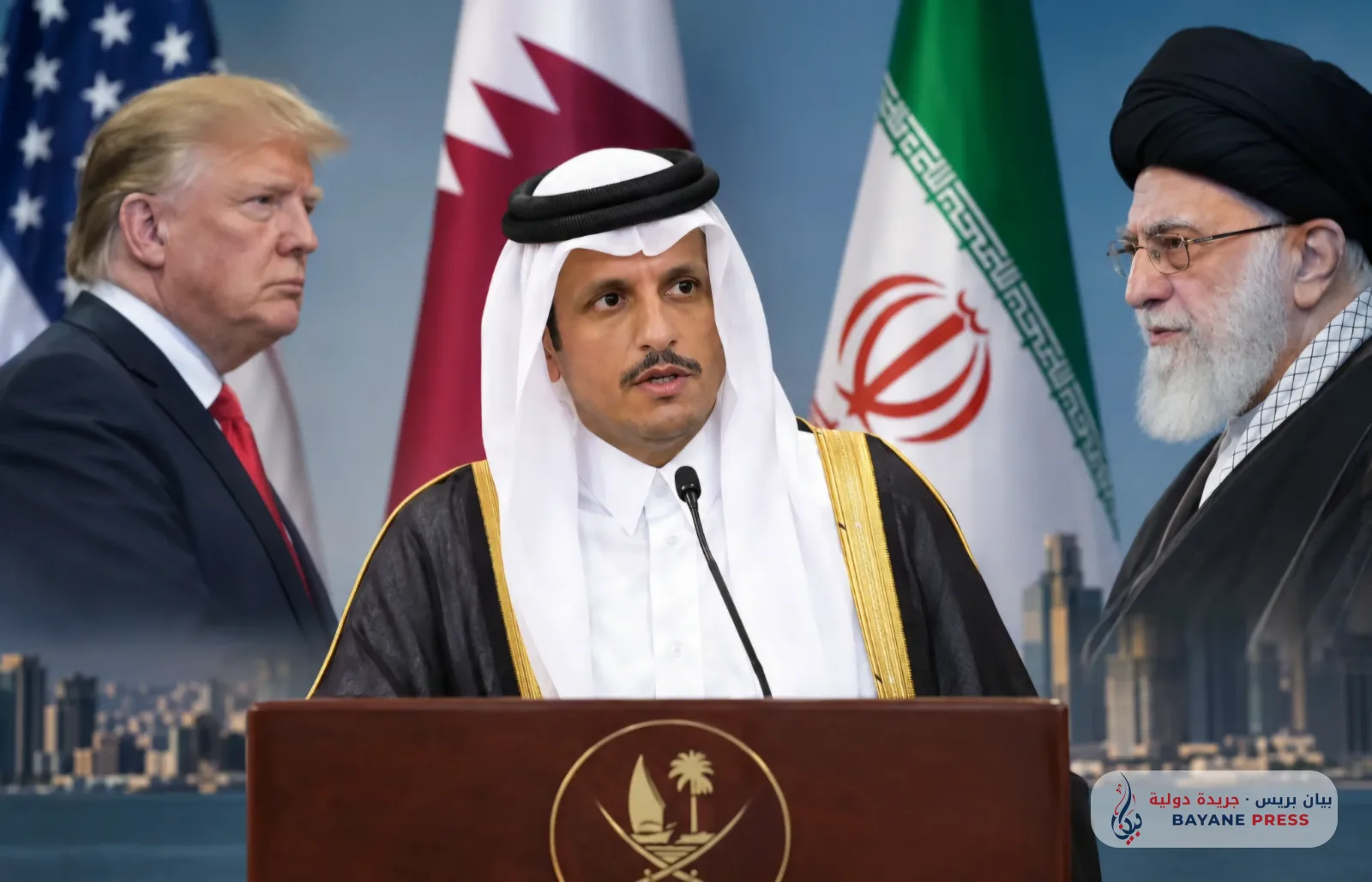
At a time when diplomatic efforts are accelerating to contain the crisis between the United States and Iran, the Qatari Prime Minister and Minister of Foreign Affairs, Sheikh Mohammed bin Abdulrahman Al Thani, has sent a political message to Washington and Tehran, calling on both parties to accept a good deal rather than continuing to seek a perfect one. He argued that their failure to reach a comprehensive agreement should not become an obstacle to a settlement that ends the crisis.
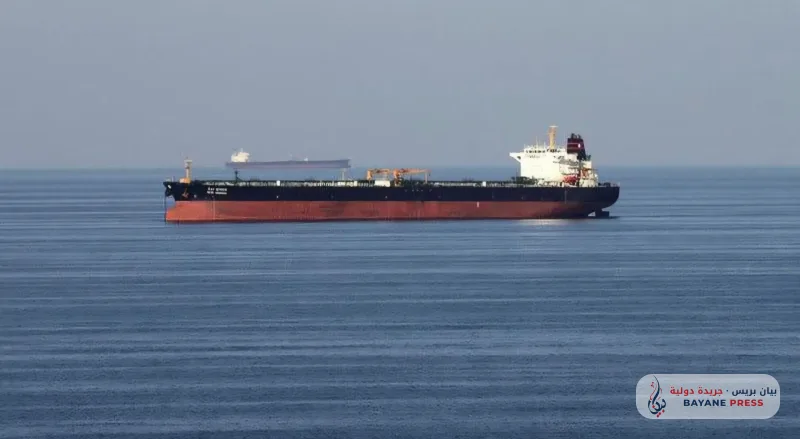
These statements reflect a Qatari approach based on prioritizing practical solutions over maximalist demands, especially in light of persistent disputes regarding the Iranian nuclear program, U.S. sanctions, and the future of navigation in the Strait of Hormuz—files that have made negotiations more complex despite regional and international efforts to bridge the gap.
The Qatari call comes concurrently with a phone call between the Emir of Qatar, Sheikh Tamim bin Hamad Al Thani, and U.S. President Donald Trump on Friday, November 6, 2026, which addressed efforts to de-escalate and support diplomatic endeavors to reach an agreement that ends the crisis and restores stability to the region.
Reuters had previously revealed that Tehran presented a new nuclear proposal to Washington through Qatari mediation, a step confirming the continuation of indirect communication channels, despite Iran's adherence to a set of conditions, in contrast to the U.S. administration's insistence on including the nuclear file in any preliminary understanding.
Political analysis suggests that the Qatari message carries a dimension that goes beyond the traditional call for dialogue, as it proposes the possibility of moving from the idea of a comprehensive agreement to phased understandings that allow for easing tension and rebuilding trust, without requiring the resolution of all contentious issues at once.
Caught between U.S. pressure and Iranian conditions, Doha faces a sensitive diplomatic test; while a partial agreement could serve as an entry point for de-escalation, it will not necessarily be a guarantee to end the deep-seated differences between the two sides.
The question remains: Will Washington and Tehran accept mutual concessions that pave the way for peace, or will the insistence on a perfect deal delay the opportunity for a settlement and leave the region facing the potential for new escalation?
Comments (0)
No comments yet. Be the first to react!