


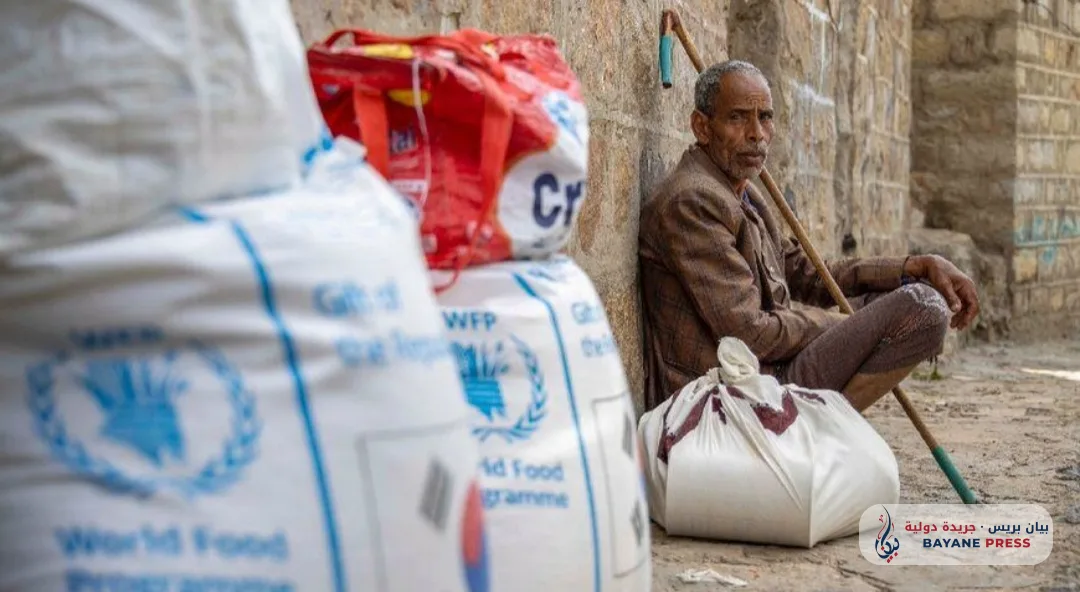
The Yemeni city of Taiz is experiencing one of the most perilous stages of its humanitarian crisis, as renewed military confrontations between government forces and the Houthi group have led to a tightened siege on the city and the disruption of supply routes. This development threatens the lives of hundreds of thousands of civilians who find themselves facing severe shortages of food, water, medicine, and fuel, amid UN warnings of the collapse of health services and widening waves of displacement and human suffering.
International reports published on Wednesday, November 4, 2026, revealed a rapid deterioration of conditions inside Taiz, Yemen's third-largest city, after battles led to the cutting off of main roads used to transport food and humanitarian aid. This has resulted in skyrocketing prices for essential goods and difficulties for residents in obtaining their daily needs, at a time when the capacity of health institutions to receive patients and the injured is declining.
According to data released by the International Organization for Migration (IOM), the number of displaced persons due to the recent military escalation in Yemen has exceeded 300,000 people, including approximately 134,000 displaced persons in Taiz Governorate, which is receiving one of the largest waves of internal displacement. Meanwhile, thousands of families face growing difficulties in securing shelter, food, drinking water, and healthcare.
Humanitarian reports indicate that the renewal of military operations has caused dozens of civilian casualties, including children and women, in addition to injuring others and damaging service facilities and residential areas. There are growing fears that human losses will continue to rise as relief and ambulance teams are unable to reach some areas affected by the clashes.
The health crisis has taken on an extremely grave nature after the United Nations Population Fund (UNFPA) warned that more than 13,000 pregnant women in Taiz are facing serious difficulties in accessing basic medical care, amid the shutdown of most facilities specialized in maternal and newborn health services, shortages of medicines and medical supplies, and the fuel necessary to operate hospitals.
According to the UN organization, only five out of 27 hospitals dedicated to emergency obstetric and newborn care remain partially operational, while hundreds of women urgently need medical intervention to save their lives and the lives of their babies. Warnings persist over the rising risks of unsafe births and complications that could be avoided by providing adequate health services.
The suffering of patients with chronic illnesses—particularly kidney failure, cancer, and heart disease—is compounding due to the difficulty of movement between areas, shortages of medicine, and the disruption of therapeutic services. Meanwhile, the fuel crisis threatens to shut down electricity generators, oxygen machines, and vital medical equipment within hospital institutions.
In light of this situation, local officials and humanitarian organizations have warned that the continued road closures and obstruction of supplies could push the city toward further deterioration, after markets recorded sharp increases in the prices of food items and domestic gas, coinciding with declining water services and the accumulation of garbage in a number of neighborhoods.
Human Rights Watch accused the Houthi group of tightening restrictions on main roads leading to Taiz, considering that depriving civilians of essential goods may raise serious legal responsibilities under international humanitarian law, particularly regarding the prohibition of starvation of civilian populations as a method of warfare.
In contrast, the Houthi group denies responsibility for blocking the arrival of humanitarian supplies, holding government forces partially responsible for the ongoing confrontations and restrictions on transport movement. At the same time, humanitarian organizations emphasize the necessity of ensuring the safe and unimpeded delivery of aid, regardless of which party controls the roads and areas surrounding the city.
The United Nations has called on the warring parties to open humanitarian corridors and allow the passage of food, medicine, and fuel, warning that the continuation of the siege and worsening humanitarian needs threaten the lives of the city's residents, who are already suffering from the fallout of long years of war, economic collapse, and the degradation of basic services.
These developments come amid a decline in international funding allocated for humanitarian operations in Yemen, which limits the capacity of relief organizations to respond to the growing needs of displaced persons, patients, and poor families, especially with the ongoing conflict and the expansion of affected areas.


Comments (0)
No comments yet. Be the first to react!