

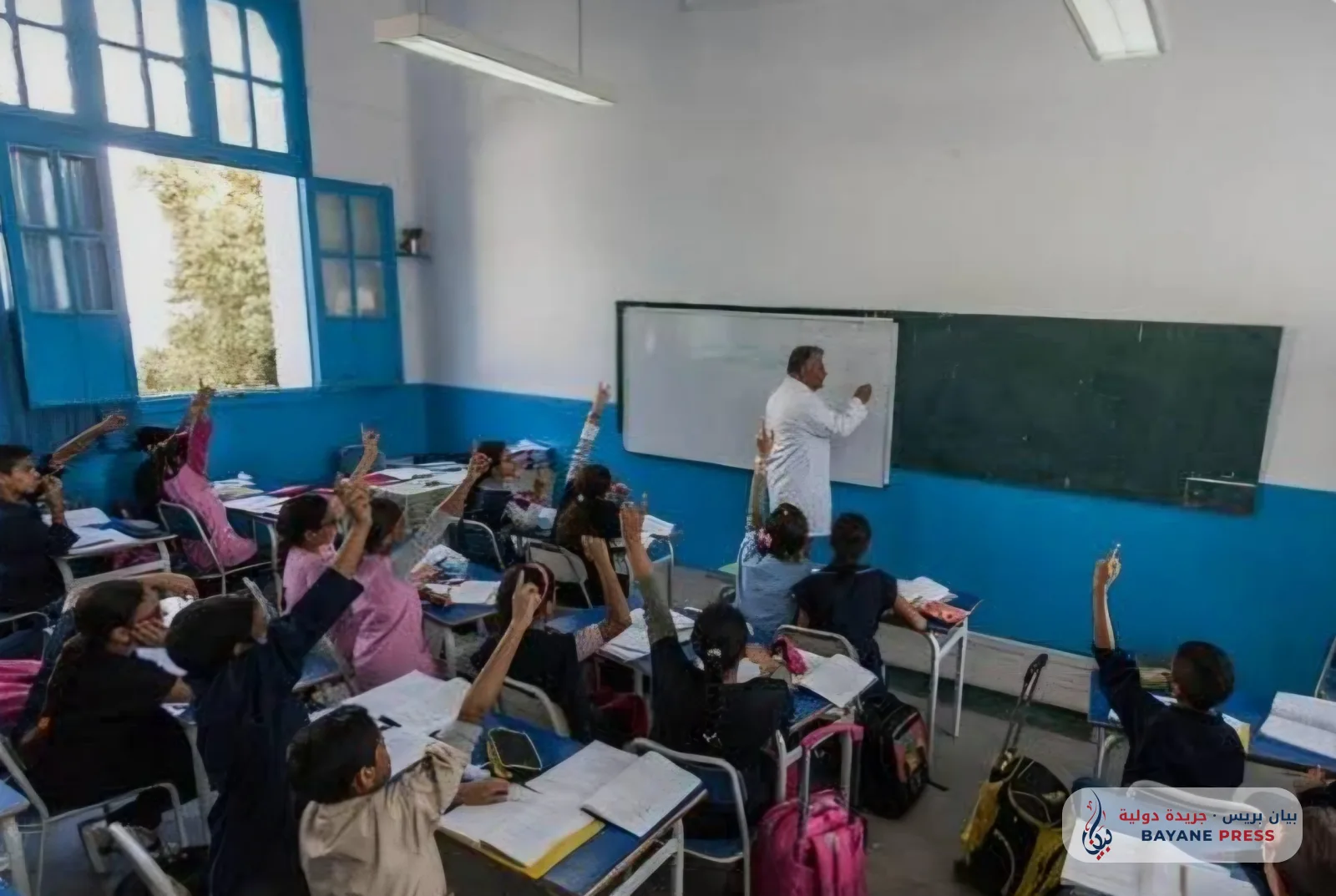
In a new move that rekindles hope for thousands of university graduates in Morocco, the Ministry of National Education, Preschool Education, and Sports has announced setting forty years as the maximum age limit to apply for competitions to enter the teaching staff qualification cycle at the Regional Centers for Education and Training Professions. This decision ends the thirty-five-year age ceiling and comes as a partial response to the widespread debate triggered by the age requirements imposed on those wishing to join the teaching profession.
The official announcement of the decision came on the evening of Tuesday, November 3, 2026, before its details made national headlines on Wednesday morning. The ministry set Saturday, November 28, as the date for conducting written examinations, opening the competition for 15,590 positions distributed across various educational levels and specializations, as part of preparations to strengthen human resources in the Moroccan public school system.
The announced distribution includes 5,530 positions in primary education, including 1,000 positions for the Amazigh language specialty, alongside 8,360 positions in junior high school education, and 1,700 positions in senior high school education, reflecting the focus on meeting the recorded needs across various levels of the educational system.
According to the set schedule, the process of submitting candidacy files and validating them electronically begins on Thursday, November 5, and continues until the nineteenth of the same month at 4:30 PM via the dedicated competition portal. The files will undergo monitoring and pre-selection before determining the candidates eligible to take the exams.
The modification of the age requirement comes after successive stages of controversy, as the ceiling had previously been set at thirty years, before being raised to thirty-five, and finally reaching forty years under the new decision. This shift will expand the base of beneficiaries from application opportunities, especially for graduates whose age restrictions prevented them from participating in previous sessions.
Minister of National Education, Mohamed Nabil Benabdellah, had revealed the new orientation during a meeting of the Education, Culture, and Communication Committee in the House of Representatives, explaining that setting the age at forty takes into account the necessity of ensuring a sufficient period of professional practice before reaching retirement age, in an attempt to reconcile the expansion of access to teaching with long-term human resource management requirements.
Despite the additional opportunities the decision provides, it does not end the controversy associated with the principle of setting an age limit in educational competitions. Critics of this requirement argue that academic competence and pedagogical capability should constitute the primary selection criteria, while other considerations relate to the duration of actual service, training, and professional stability for educational staff.
Candidates are required to possess the necessary academic qualifications, including a Bachelor's degree in Education or accepted university degrees and diplomas equivalent according to the specializations and regulatory provisions in force, while undergoing the selection stages and examinations stipulated in the official announcement.
The decision represents a new milestone in the file of entering education and training professions in Morocco, yet its actual impact will remain tied to the transparency of selection procedures, equal opportunities among candidates, the quality of training successful applicants will receive, and the educational system's ability to provide the necessary professional and pedagogical conditions for their success in classrooms.




Comments (0)
No comments yet. Be the first to react!