


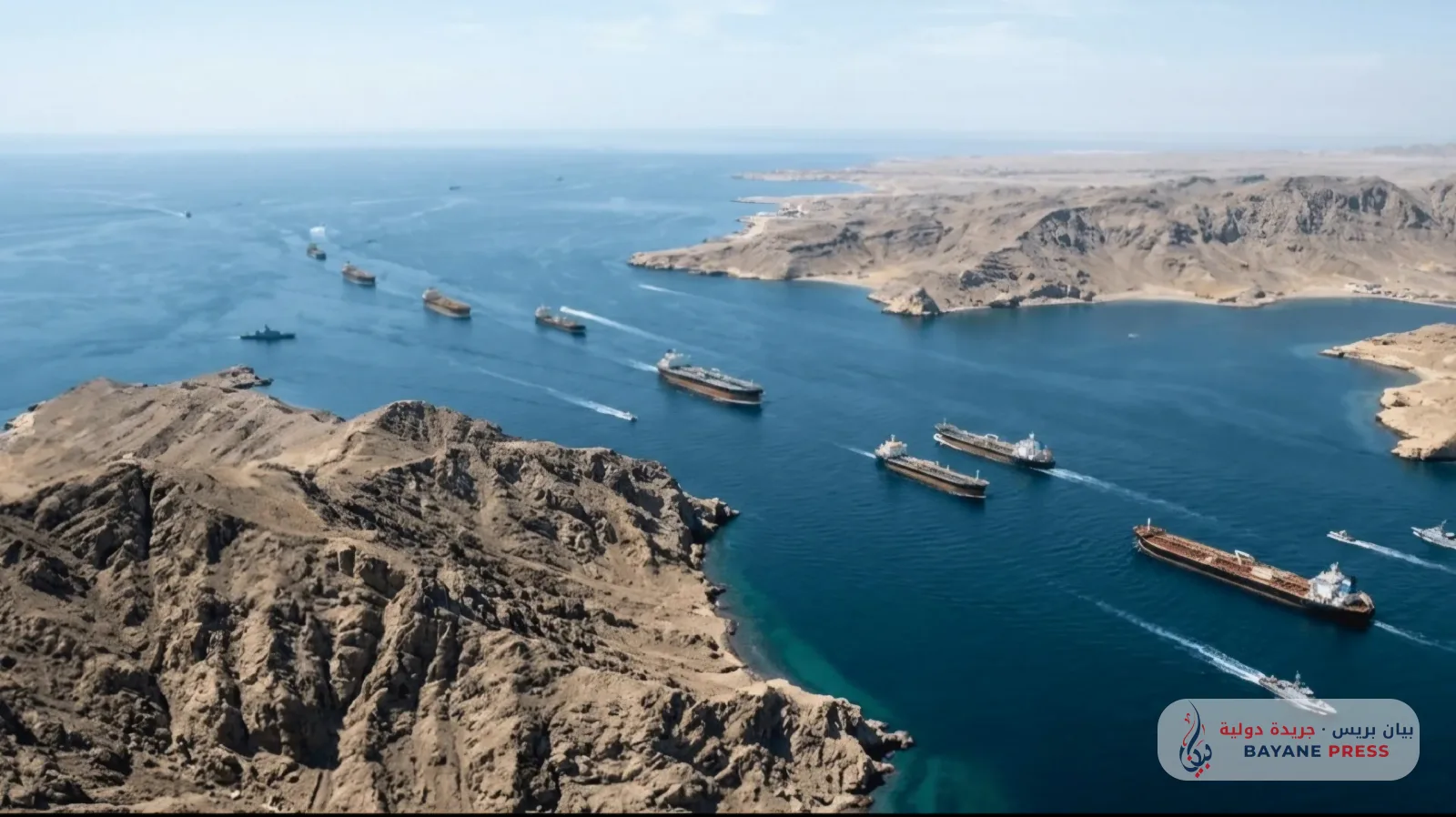
The Strait of Hormuz, one of the world's most critical maritime corridors for oil and gas transportation, has thrust military tension between Iran and the United States back to the forefront of international developments, after the Iranian Revolutionary Guard announced today, Wednesday, November 4, 2026, that four oil tankers were destroyed after colliding with naval mines while attempting to traverse a shipping lane described by Tehran as restricted, south of the strategic strait.
Reuters reported, citing a Revolutionary Guard statement, that the four tankers suffered explosions after hitting naval mines and remained ablaze following the incidents, while Iranian forces announced the seizure of two additional vessels on the grounds of violating navigation restrictions imposed in the region.
The Iranian statement did not specify the names, nationalities, or owners of the tankers, nor did it provide precise details regarding the nature of the cargoes, crew sizes, or potential casualties, at a time when independent confirmations to verify the scale of the announced losses were unavailable.
This new development comes amid escalating concerns regarding the security of maritime navigation in the Gulf region, particularly with ongoing disagreements between Washington and Tehran over the conditions for reopening the Strait of Hormuz normally to commercial shipping and energy tankers.
In a related development, the Iranian Revolutionary Guard announced the downing of a US «MQ-9» drone over the strait region, claiming its air defenses successfully targeted it during the early morning hours, without independent confirmation to substantiate this announcement.
These statements acquire special importance in light of the strategic location of the Strait of Hormuz, which connects the Gulf to the Gulf of Oman and the Arabian Sea, serving as a vital corridor for exporting oil and liquefied natural gas from regional countries to Asian, European, and global markets.
The continuation of security incidents in this corridor, if their nature and scale are confirmed, would increase the risks facing shipping and marine insurance companies, and drive up energy transport costs, especially given the difficulty of dealing with naval mines and the reconnaissance, security, and clearance operations they require before navigation can safely resume.
The latest developments come months after the military tension that followed US and Israeli strikes against Iran on February 28th, subsequent Iranian military responses, and ensuing diplomatic efforts aimed at containing the confrontation and establishing security arrangements to restore stability in the region.
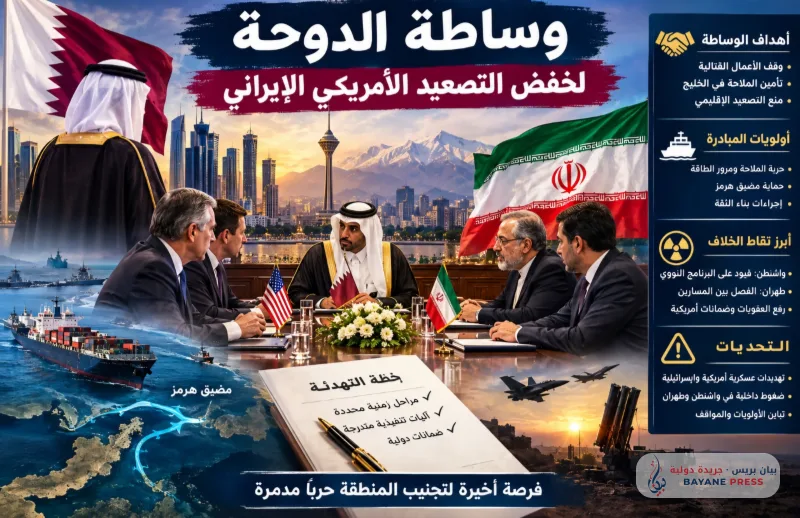
Despite the continuation of indirect communication channels between Washington and Tehran, mediated by Qatar, disagreements persist regarding US economic sanctions, maritime restrictions, guarantees of freedom of navigation, and future security arrangements in the Gulf.
Tehran insists on linking the restoration of normal traffic in the strait to addressing its demands concerning sanctions and the naval blockade, while the United States focuses on ensuring the safety of navigation and preventing commercial vessels from facing attacks or measures impeding their passage.
These developments spark regional and international concerns over the potential expansion of the confrontation, especially if the maritime incidents turn into direct military clashes or cause long-term disruptions in global energy supplies.
Pending authenticated information from competent maritime authorities or the tanker-owning companies, the narrative regarding the destruction of the four vessels and the seizure of the two ships remains based on official Iranian statements, without the possibility of independently verifying their details.

Comments (0)
No comments yet. Be the first to react!