

Mauritania has achieved a new milestone in enhancing its water security and regional cooperation in the management of natural resources, following the announcement by the United Nations Economic Commission for Europe of the country's official accession to the Convention on the Protection and Use of Transboundary Watercourses and International Lakes. This makes it the sixty-second state to join this international legal framework, a development that reflects the growing importance of shared water management in the Sahel and West Africa regions.
The UN announcement was made on Tuesday, November 3, 2026, before being covered by Mauritian press in their Wednesday morning editions, amid widespread attention to the challenges facing the country due to drought, desertification, and increasing pressure on water resources, particularly in the eastern and southern regions.
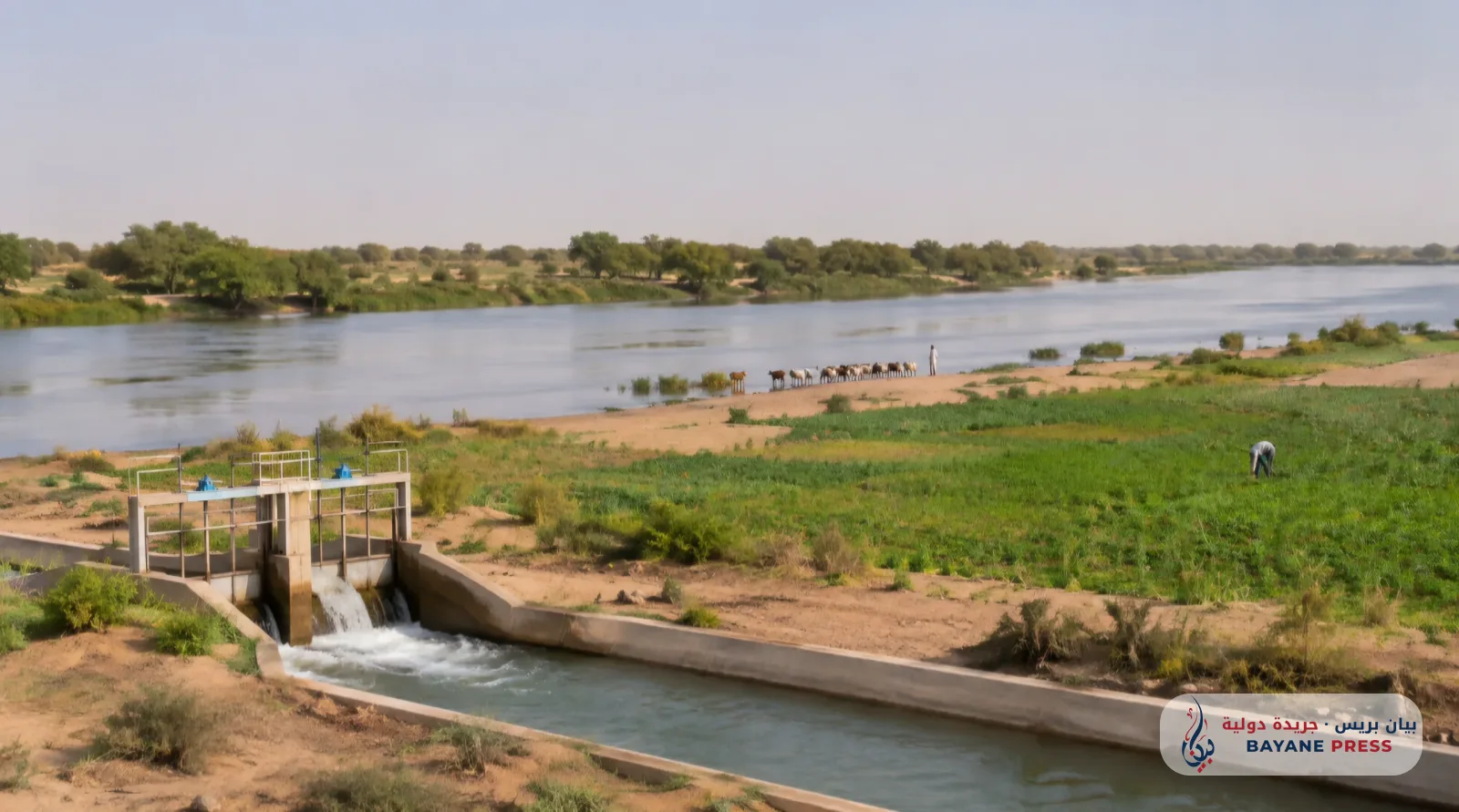
This step gains strategic importance due to its connection to the Senegalo-Mauritanian Aquifer Basin, which extends across the territories of Mauritania, Senegal, The Gambia, and Guinea-Bissau, serving as a vital water source for millions of residents, economic activities, agriculture, and pastoralism.
According to data released by the UN Commission, approximately 58 percent of the rural population in eastern and southern Mauritania heavily relies on the water resources of this basin, while more than 40 percent of the national livestock is linked to seasonal nomadic migration routes that benefit from its waters.
With Mauritania's accession, all four riparian countries sharing the basin have now become parties to the international convention, enabling the development of joint mechanisms for information exchange and coordinated groundwater management, as well as efforts to address risks related to depletion and climate change.
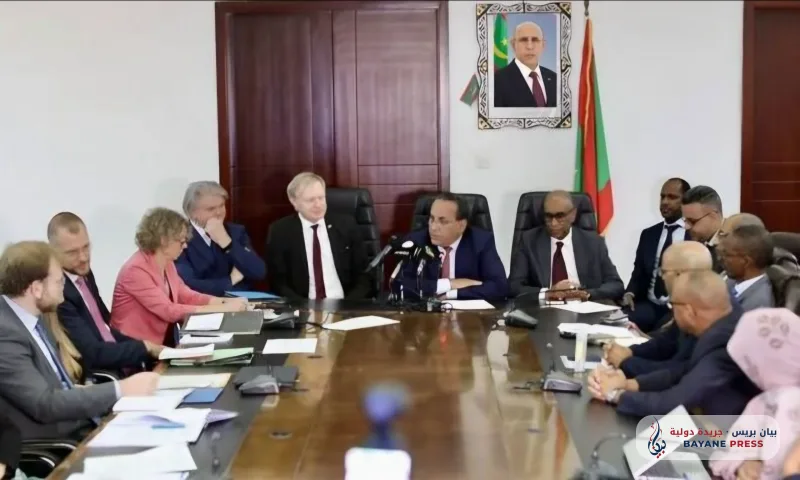
Mauritania's Minister of Water and Sanitation, Amal Mint Mouloud, emphasized that the sustainable, equitable, and peaceful management of shared water resources is a national priority, given the role of water in supporting social and economic stability and strengthening cooperation with neighboring countries.
She also pointed to Mauritania's experience within the Organisation pour la Mise en Valeur du Fleuve Sénégal (OMVS) as a model for regional cooperation in water resource management, expressing readiness to advance the implementation of a specific agreement for the Senegalo-Mauritanian Aquifer Basin in coordination with the concerned nations.
For her part, the Secretary of the UN Water Convention, Sonya Koppe, considered Mauritania's accession as an opportunity to benefit from technical, institutional, and financial support mechanisms, and to enhance prospects for developing joint governance of transboundary water resources.
The accession follows a preparatory path that included national and institutional consultations, including a workshop held in Nouakchott in December 2025, prior to completing the necessary legal procedures to join the convention.
Mauritania is counting on this development to strengthen its capacities in facing water scarcity, protecting agricultural and pastoral activities, and improving adaptation conditions to climate change, especially in areas heavily reliant on groundwater resources.
Despite the importance of this step, it does not automatically entail the announcement of new funding or the signing of the regional basin agreement, as these pathways remain subject to subsequent negotiations and procedures between the countries and institutions involved.

Comments (0)
No comments yet. Be the first to react!