

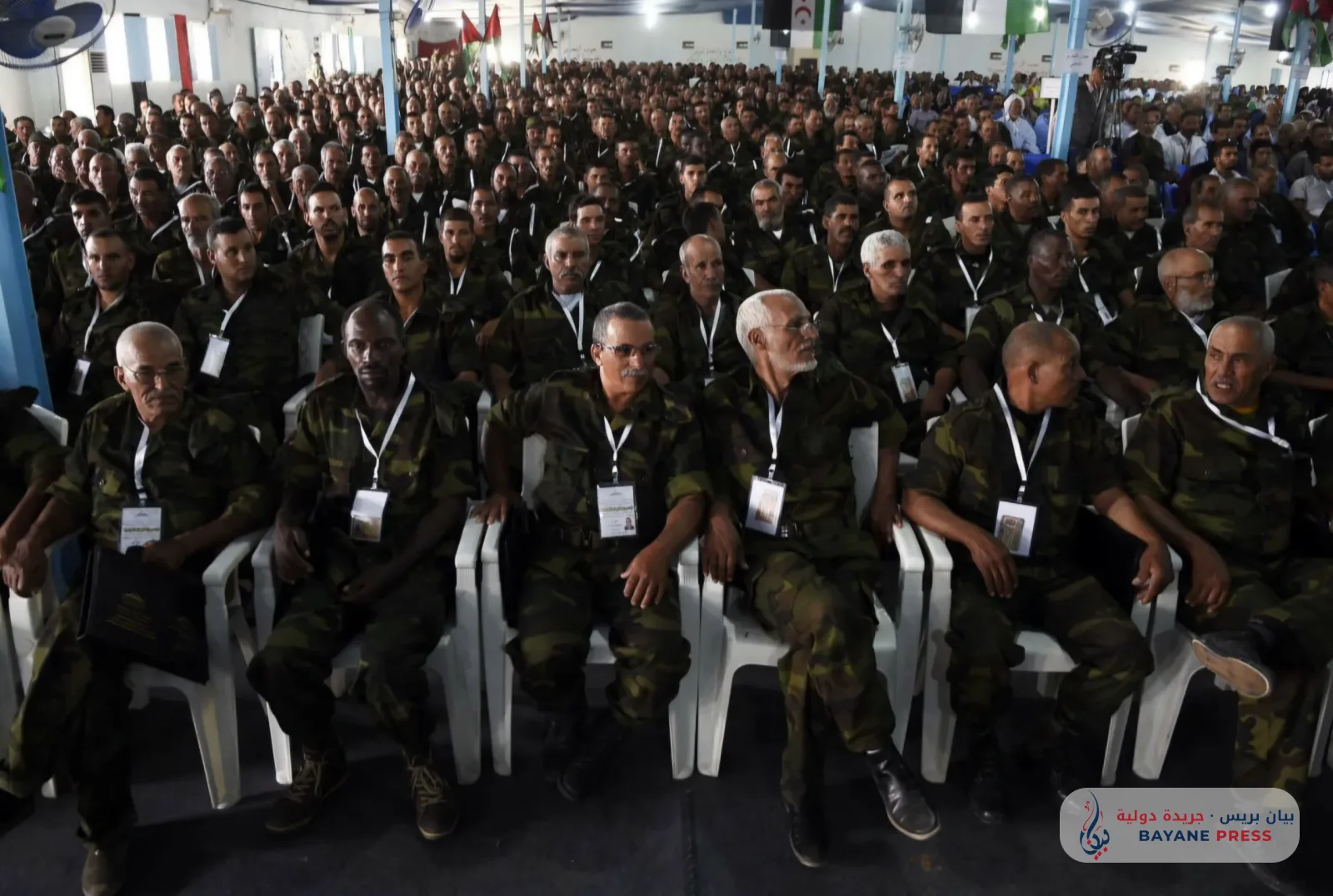
The Polisario Front announced on Wednesday, November 11, 2026, that its 17th congress will be held from January 15 to 20, 2027, in the Dakhla province of the Tindouf camps in southwestern Algeria. This announcement coincides with the publication by the Sahrawi News Agency of a position attributed to Malaysia regarding the future of the Sahara dispute, in two developments occurring amidst rapid diplomatic shifts following the expiration of the United Nations Mission for the Referendum in Western Sahara (MINURSO) mandate.
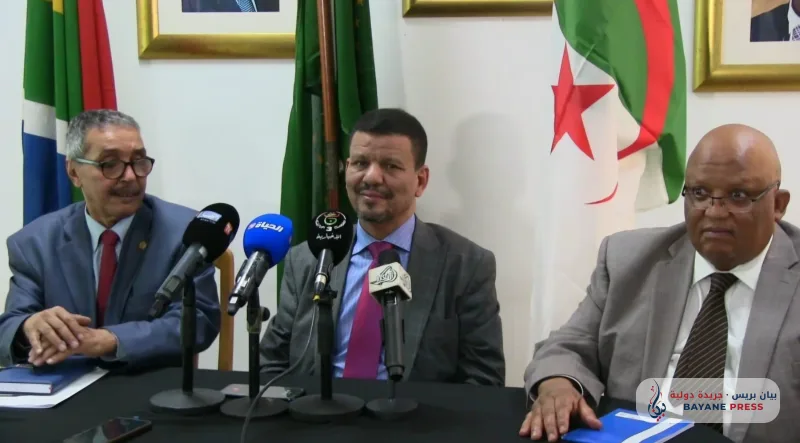
Bachir Mustapha Sayed, a member of the National Secretariat and head of the preparatory committee for the congress, explained during a press conference at the media archive headquarters that the congress will be held under the slogan
"Unity, resilience, and sacrifice to impose the Sahrawi state"
, and will be named after Abdallah Lahbib Bilal, one of the figures the Front considers among its historical symbols.
The Polisario official indicated that preparations for the congress are taking place under political and regional circumstances he described as complex, especially following developments regarding the Sahara file within the UN Security Council, which, in his view, necessitates a review of the political and organizational mechanisms adopted to navigate the coming phase.
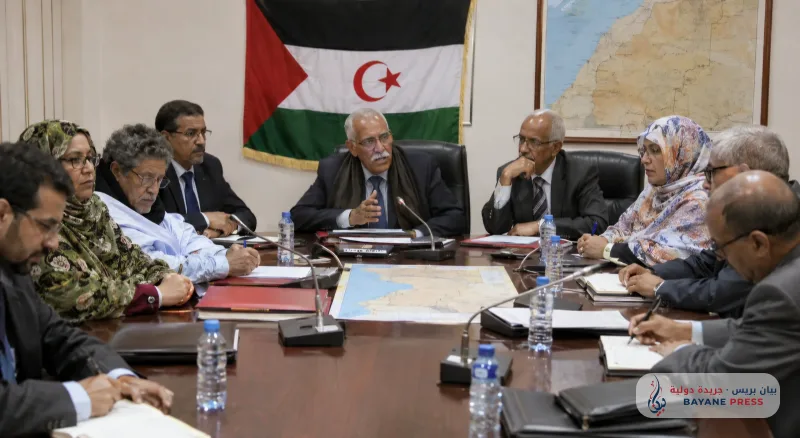
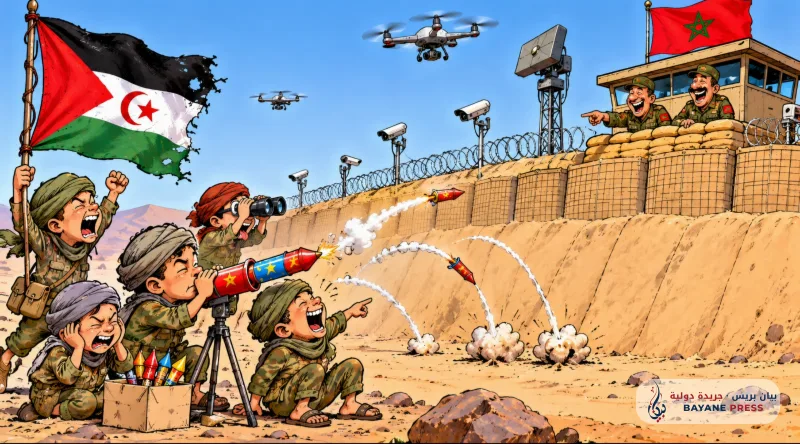
The announcement comes one day after the Front's National Secretariat decided to declare a general mobilization, according to a statement issued on Tuesday, November 10, in which it linked this move to countering what it described as Moroccan maneuvers. However, the declaration of mobilization itself does not provide sufficient data to confirm the start of new military deployments or the execution of large-scale field operations.
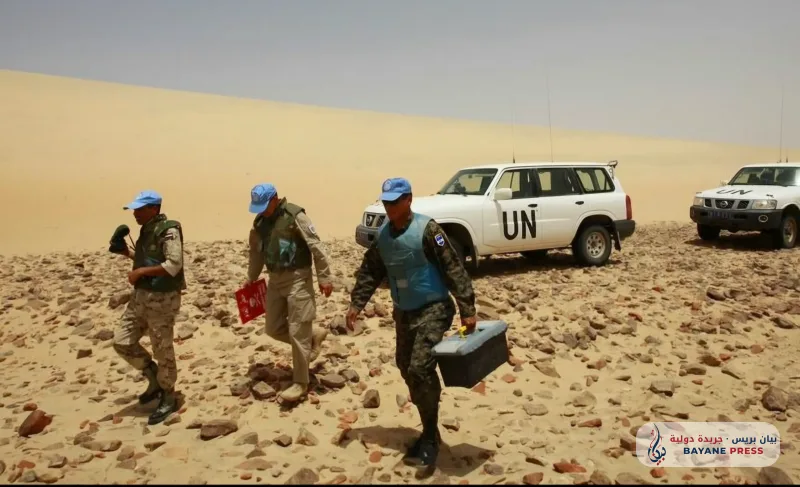
The upcoming congress holds special significance as it follows the UN Security Council's failure on October 30 to renew the MINURSO mandate, due to Russia's veto of a US draft resolution. This development ended the UN mission's mandate, which had been in place since 1991, and raised questions about the future of mechanisms for monitoring the field situation and the political process.
In a related context, the Sahrawi News Agency published a position attributed to the Malaysian delegation to the UN General Assembly during a session on Tuesday, November 10, in which it affirmed Kuala Lumpur's support for the right to self-determination and called for a just, lasting, and mutually acceptable political settlement, within the framework of the principles of the UN Charter and international law.
According to the agency, Malaysia praised the efforts of the UN Secretary-General and his personal envoy in facilitating negotiations, and expressed concern over the lack of consensus within the Security Council to extend the MINURSO mandate, considering that continued dialogue and restraint are essential elements for maintaining regional stability.
However, the Malaysian position, as reported by the agency, does not include a new declaration of recognition for the republic proclaimed by the Polisario, nor does it constitute a proven change in diplomatic relations between Malaysia and Morocco; rather, it reflects an affirmation of a position regarding the principles of a political settlement to the conflict.
Conversely, Morocco maintains its sovereignty over its southern provinces and considers the Autonomy Initiative under Moroccan sovereignty as the appropriate framework to end the conflict, relying on the growing international support for the initiative, while the Polisario continues to demand self-determination according to its vision for a political solution.
These developments reveal that the Sahara file has entered a new phase in which the Polisario's organizational moves intersect with diplomatic positions within the United Nations, especially after the end of the MINURSO mission, without this meaning an end to UN efforts aimed at finding a political settlement.
The question remains as to the ability of the concerned parties to return to effective negotiations in light of the diverging positions, and whether the upcoming Polisario congress will bring new political and organizational revisions, or if it will be limited to renewing existing options in a phase where regional and international pressures to find a way out of the conflict are increasing.
Comments (0)
No comments yet. Be the first to react!