

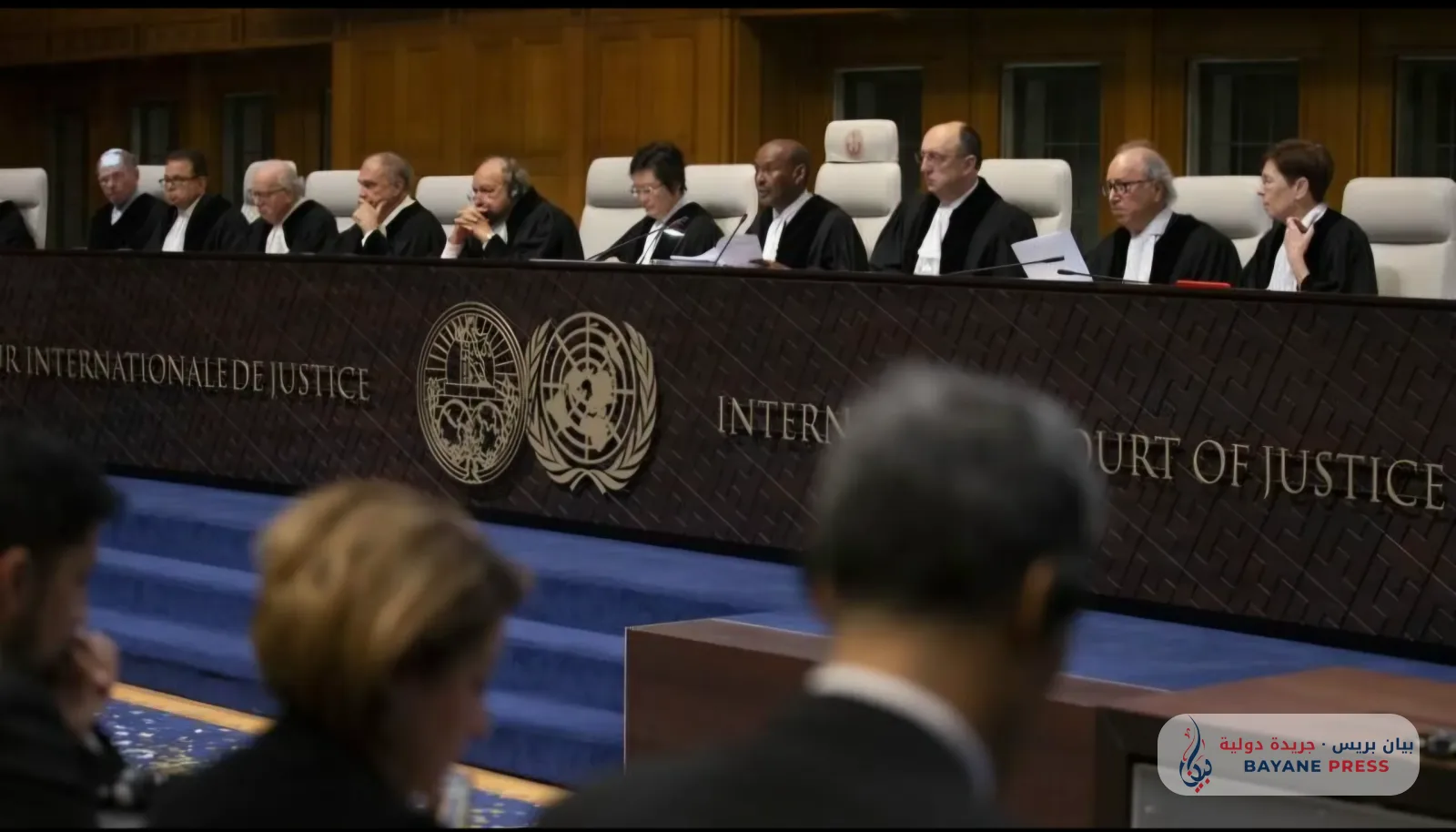
The International Court of Justice in The Hague issued a historic ruling on Thursday, November 19, 2026, holding the state of Myanmar responsible for committing genocide against the Muslim Rohingya minority during military operations carried out by its forces in Rakhine State in 2017, in a decision that marks a milestone in the path of international justice and state accountability for mass atrocities.
The ruling was passed by a majority of nine judges to six, after the court concluded that the military operations exceeded the scope of security measures justified by Myanmar authorities to counter armed groups, and transformed into acts aimed at destroying a portion of the Rohingya group based on their ethnic and religious identity.
The court confirmed that security forces committed large-scale killings, acts of sexual violence, and grave violations against children, in addition to attacking civilians as they attempted to flee conflict zones. It estimated that approximately ten thousand Rohingya people were killed during the military operations in the region.
The origin of the case dates back to 2019, when The Gambia filed a lawsuit before the court with the support of the Organization of Islamic Cooperation, accusing Myanmar of violating the 1948 Convention on the Prevention and Punishment of the Crime of Genocide.
The decision was not limited to establishing legal responsibility; it also obligated Myanmar to take measures to provide reparations, including investigating crimes, holding those responsible accountable, paying compensation to victims, and creating conditions that allow for the voluntary, safe, and dignified return of refugees to their original areas.
The ruling gains additional significance as it is the first decision by the International Court of Justice to establish a state's direct responsibility for committing genocide, at a time when the court is still considering other cases involving similar accusations in various conflict zones.
Although the court's rulings are final and legally binding, their implementation remains contingent upon the commitment of the state concerned and diplomatic interactions within the United Nations, especially since the court does not possess an independent enforcement power to compel states to comply with its decisions.




Comments (0)
No comments yet. Be the first to react!