

Mauritanian authorities have implemented new security measures in the northern border regions, ordering the evacuation of traditional gold mining sites near the border, a move reflecting growing interest in controlling border areas and protecting civilians, amidst a regional environment characterized by increasing security and geopolitical sensitivity, particularly in areas adjacent to the Moroccan Sahara.
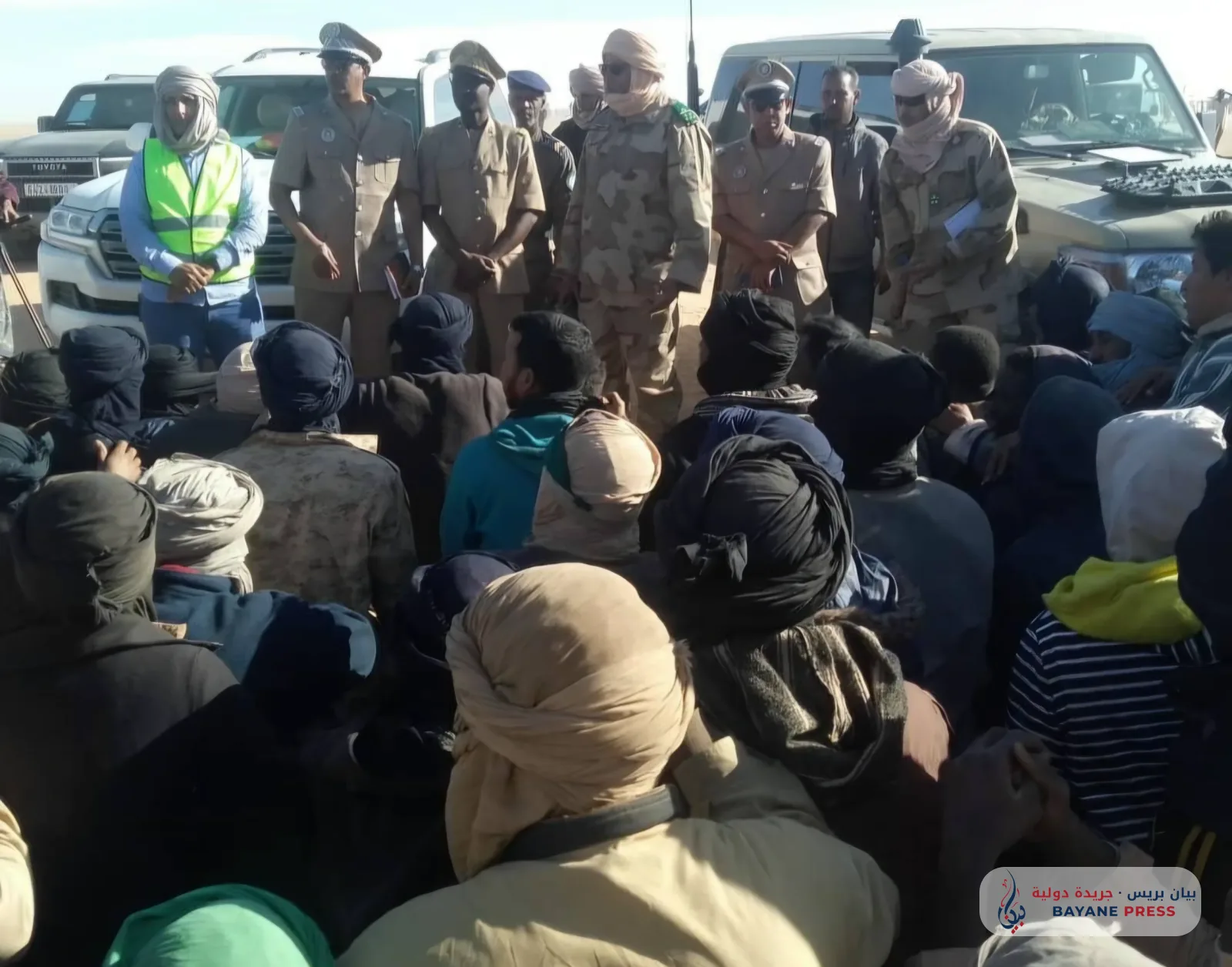
The Governor of Tiris Zemmour, Idrisa Demba Corera, issued a decree on Tuesday, November 17, 2026, requiring prospectors to evacuate all artisanal mining sites located less than ten kilometers from the Mauritanian border, granting them a two-week deadline to comply, while emphasizing the respect for national sovereignty and adherence to security instructions.
The announcement came during a field tour in which the Governor was accompanied by the Director General of the Mauritanian Mining Agency (Maaden Mauritania), Mohamed Yahya Ould Ahmed Ghadhi. The tour included mining sites in the F'dérik and Bir Moghrein districts, where workers were informed of the necessity to leave the areas covered by the decision and to conduct their activities within officially approved mining corridors.
Authorities emphasized that the measures are intended to protect prospectors from potential risks in border areas, enable the armed forces to perform their security and military duties, and ensure the safety of citizens while preventing the crossing of national borders during gold exploration.
In an attempt to mitigate the economic and social repercussions of the decision, the Mauritanian Mining Agency announced its readiness to support affected prospectors and provide alternative sites that allow them to continue their activities outside the designated evacuation zone. Conversely, some workers have requested an extension of the deadline, citing the logistical arrangements required to move equipment and vacate work sites.
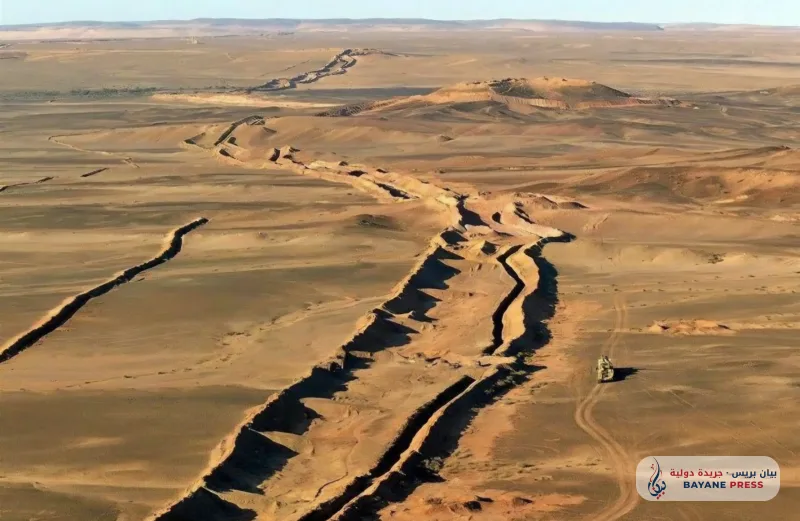
The move carries significance beyond the regulation of the mining sector, given the strategic location of the Tiris Zemmour region and its connection to desert areas affected by tensions surrounding the conflict between Morocco and the Polisario Front. Furthermore, the nature and vastness of the desert borders make monitoring irregular movements and securing civilian activities a constant challenge for security agencies.
From a geopolitical perspective, keeping prospectors away from the border strip could contribute to reducing the potential for friction or exposure to security incidents, while expanding the maneuverability of Mauritanian forces in sensitive areas. These arrangements may indirectly affect the movement of people across border regions, without necessarily implying that the measures are directed at a specific party to the conflict.
Although the decision is geographically linked to the vicinity of the Moroccan Sahara, official data released does not contain evidence of targeting the Polisario Front or adopting a new political stance toward it—a necessary distinction between stated security motives and potential political interpretations.
These measures reflect Nouakchott's pursuit of a delicate balance between protecting its territory, securing traditional mining activities, and avoiding the spillover of regional tensions into its borders. It also highlights the desire of Mauritanian authorities to impose stricter regulation on border areas while maintaining their declared policy based on positive neutrality in the Moroccan Sahara conflict.

Comments (0)
No comments yet. Be the first to react!