

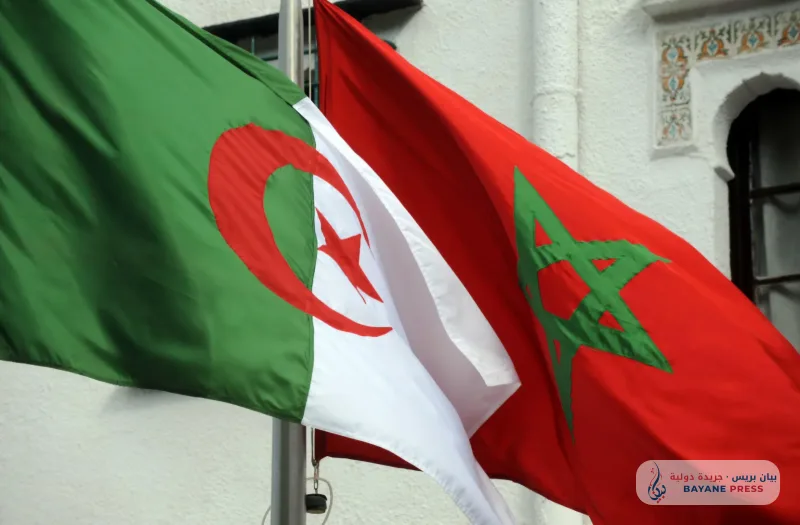
Spanish security investigations into the potential existence of a third drug-smuggling tunnel between Morocco and the city of Ceuta have brought the issue of secret tunnels back to the forefront, amid questions regarding the activity of cross-border criminal networks and the way some Algerian media outlets utilize these security files in their coverage of Moroccan affairs.
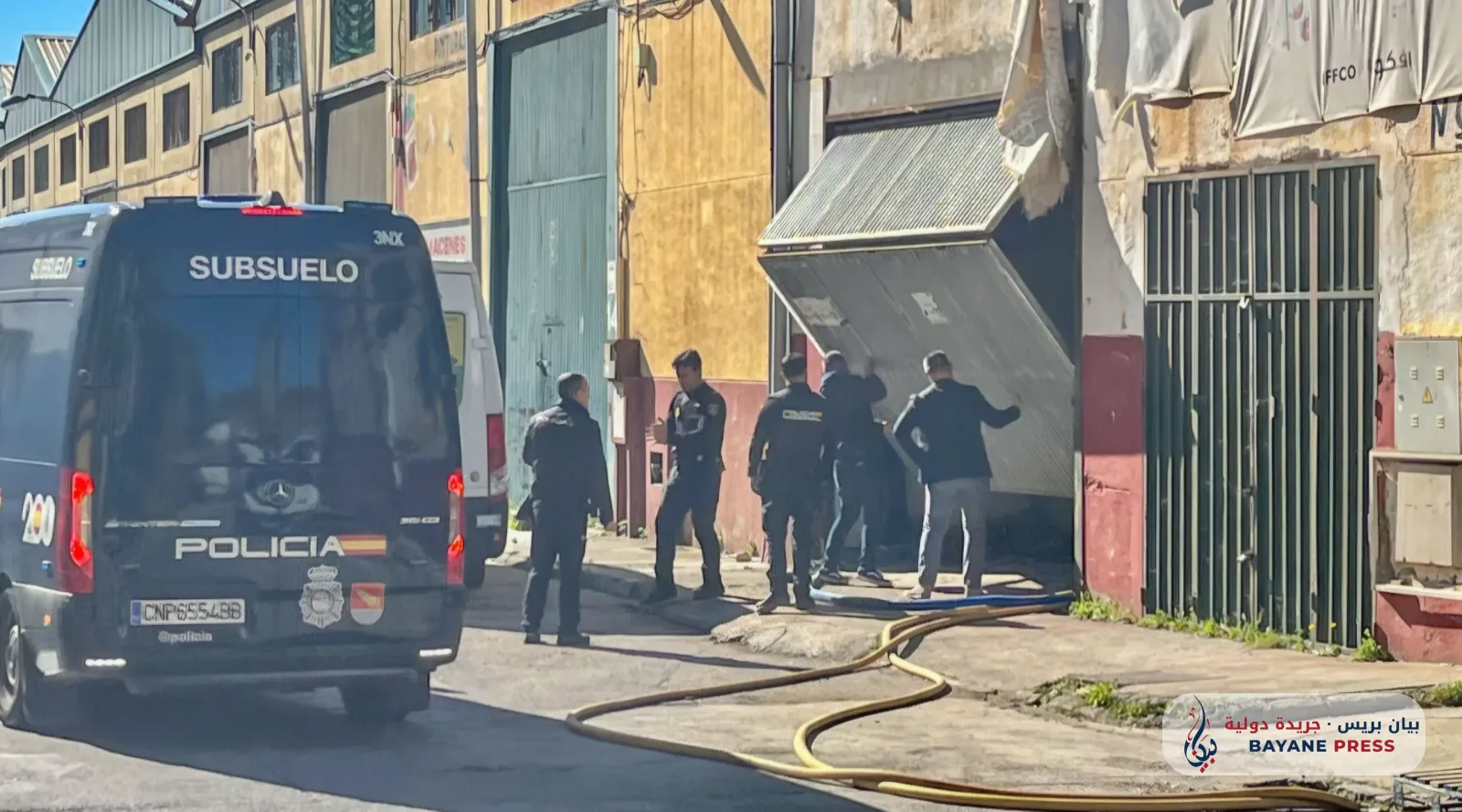
The Spanish newspaper "El Faro de Ceuta" revealed, in a report published on Wednesday, November 18, 2026, that the Anti-Drug and Organized Crime Unit of the Spanish National Police is continuing its investigations to verify the possible existence of a third tunnel, following the discovery of two previous tunnels in the Tarajal area during security operations codenamed "Ares" and "Hades".
The new investigations followed the interception of a truck at the port of Ceuta loaded with quantities of hashish, the arrest of its driver, and his subsequent imprisonment. The investigation later led to the search of a warehouse in the Tarajal area, where police found equipment related to outfitting vehicles with secret compartments to conceal drugs. Investigators are working to identify the sources of the shipments and the routes used to smuggle them into the city.
Although the investigations have not yet confirmed the existence of a third tunnel, the case has brought to mind a report published by the Algerian newspaper "Echorouk" last June, in which it accused Moroccan authorities of complicity in smuggling activities, based on data regarding a criminal network that was allegedly planning to create a new secret passage.
However, comparing the available security data with how it was presented in the Algerian newspaper reveals a fundamental difference between suspecting the activity of a criminal network and proving the involvement of official institutions. The information announced by Spanish sources does not, in itself, provide evidence of collusion by Moroccan authorities, and the discussion of a third tunnel remains tied to the results of ongoing investigations.
This case highlights a broader issue regarding how some Algerian media outlets handle news related to Morocco, shifting from presenting specific security facts to generalizing political accusations without supporting them with declared judicial evidence proving state responsibility.
International drug smuggling is an organized crime that exploits border loopholes and transport and distribution networks; its responsibility cannot be reduced to the nationality of the suspects or the geographical location where they operate. Furthermore, the success of security cooperation between nations requires pursuing criminal networks and exchanging information, far from the exploitation of cross-border crimes in political and media conflicts.
The results of the Spanish investigation alone will be sufficient to determine the truth about the suspected tunnel and the parties involved in its operation or financing, while commitment to journalistic professionalism requires distinguishing between proven facts and accusations that have not been settled by the competent judicial authorities.
Comments (0)
No comments yet. Be the first to react!