

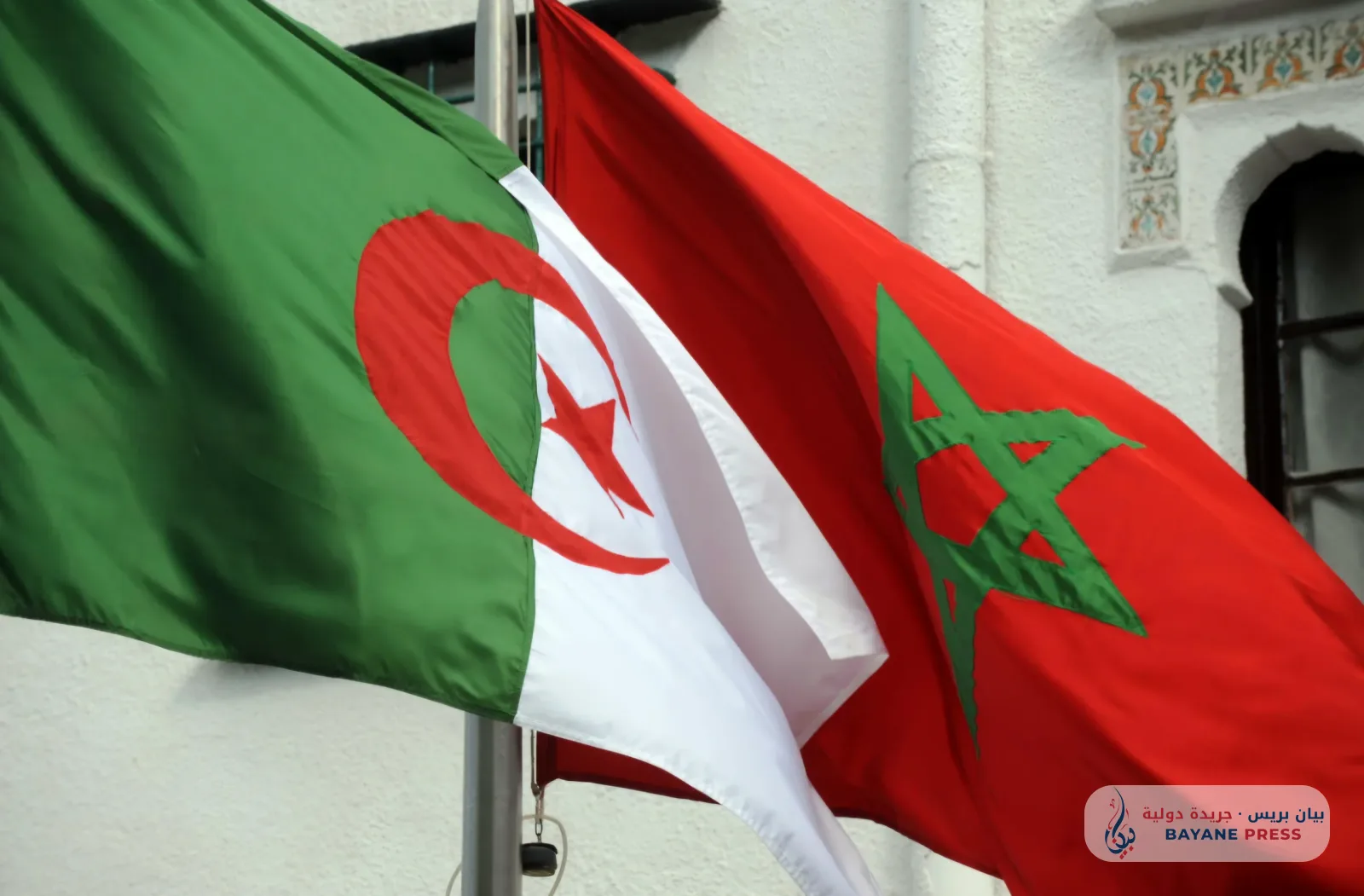
The Polisario Front has returned to issuing warnings regarding the military situation in the Moroccan Sahara, while simultaneously expressing its readiness to engage in a new political process, in a discourse that reflects the scale of the challenges the Front faces following the end of the United Nations mission "MINURSO," and the resulting changes in UN monitoring mechanisms in the region.
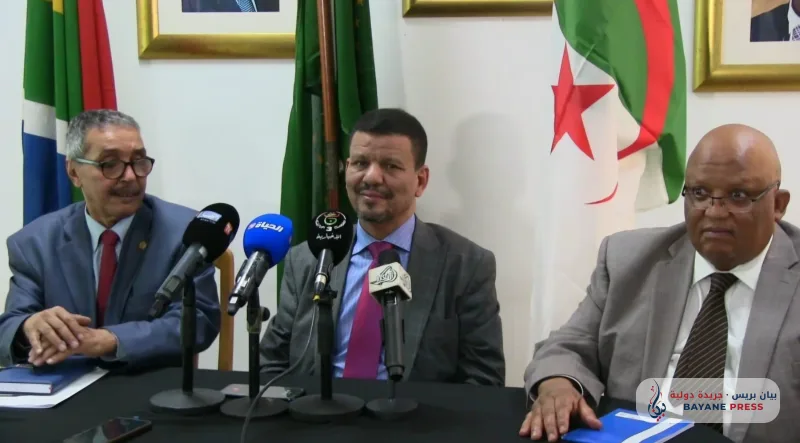
The Algerian newspaper "TSA" reported on Thursday, November 19, 2026, statements made by Khatri Addouh Khatri, the Polisario representative in Algeria, during a solidarity meeting held in the Algerian capital on Wednesday. In his remarks, he warned of what he described as the risks of Moroccan military escalation, accusing Rabat of seeking to exploit the vacuum left by the end of the UN mission's mandate to impose new facts on the ground.
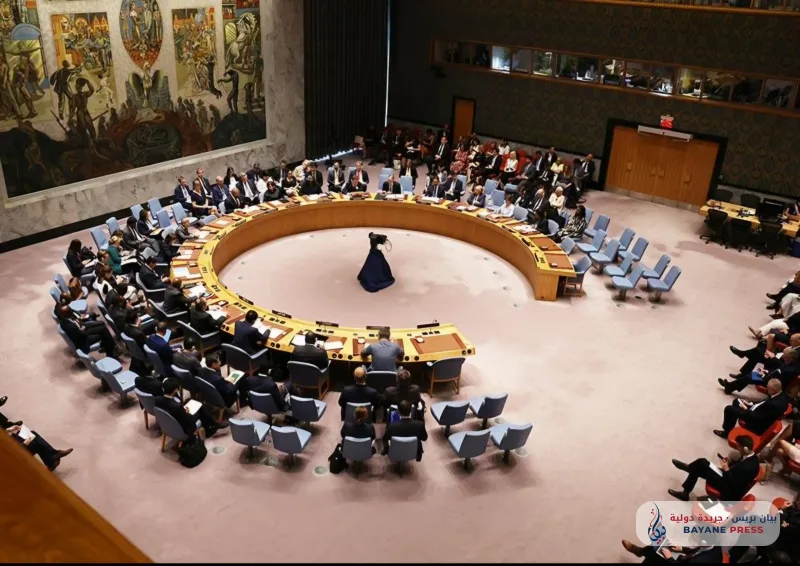
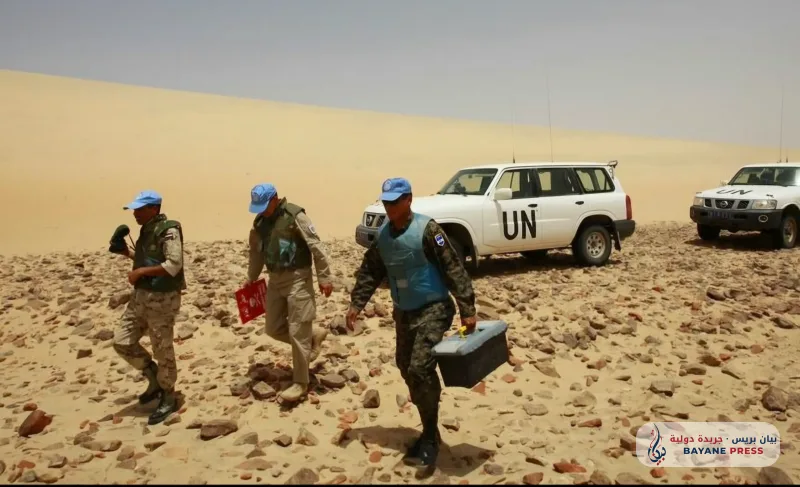
These statements came after the UN Security Council failed, on October 30, to reach a consensus on renewing the MINURSO mandate, which led to the cessation of its operations as of November 1, 2026, after thirty-five years of presence in the region. Despite the end of peacekeeping operations, the United Nations confirmed the continuation of its political efforts through the Personal Envoy of the Secretary-General, Staffan de Mistura.
In contrast to his accusations against Morocco, the Polisario representative announced the Front's readiness to engage with any international initiative it deems serious, provided it is based on the references it adheres to regarding self-determination. This position reveals an attempt to combine rhetorical escalation with keeping negotiation channels open, at a stage where political options have become more complex.
However, the warnings regarding Moroccan military movements in these statements are based on accusations made by the Front's representative, without providing independent evidence to prove that a new escalation has occurred. Distinguishing between political claims and field realities remains essential to understanding the truth of the developments, especially in the absence of the previous UN monitoring mechanism.
Conversely, Morocco continues to uphold the Autonomy Initiative under its sovereignty as the basis for a realistic and lasting political settlement, while emphasizing its territorial integrity and rejecting any solution that compromises its sovereignty over its southern provinces. This position provides Rabat with a clear negotiating framework, in the face of the Polisario's adherence to political options that differ radically from the Moroccan vision.
These developments raise questions about the Polisario's ability to adapt to the post-MINURSO phase, especially since the absence of the mission does not mean the end of the UN process or the collapse of the possibility of a political solution; rather, it places the parties before a greater responsibility to avoid tension and find a basis upon which negotiations can be built.
Furthermore, the Front's continued issuance of military accusations against Morocco, in parallel with its declared readiness for dialogue, reflects the difficulty of transitioning from political rhetoric to actual negotiation, as long as preconditions and disagreements over the nature of the solution prevent the narrowing of positions.
Between Morocco's adherence to the autonomy proposal and the Polisario's insistence on its traditional references, the Moroccan Sahara file enters a delicate phase, where previous field monitoring mechanisms are receding, while international diplomacy remains before a new test: maintaining stability and opening horizons for a viable political settlement.
Comments (0)
No comments yet. Be the first to react!