


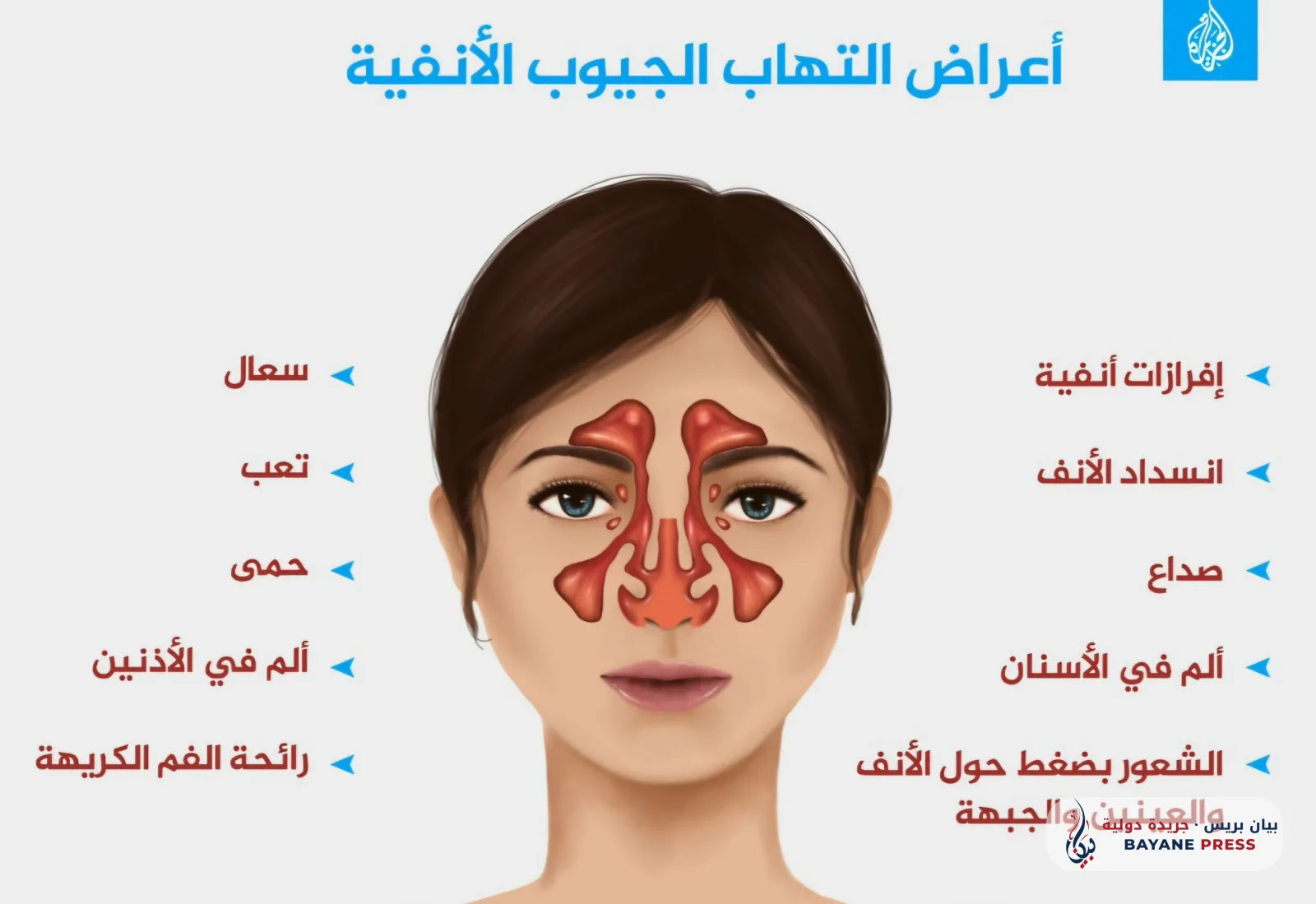
Medically, the sinuses are defined as symmetrical air-filled cavities lined with a thin respiratory mucous membrane, anatomically distributed within the facial and cranial bones surrounding the nose in four main pairs, including the maxillary sinuses in the cheeks, the frontal sinuses above the eyes, the ethmoid sinuses at the bridge of the nose, and the sphenoid sinuses deep in the base of the skull behind the nose. These cavities connect to the main nasal cavity via small openings and drainage channels known as ostia. This system performs essential physiological roles; it contributes to reducing the total weight of the skull and facilitating neck movement, acts as natural acoustic resonance chambers that give the voice its unique tone, and plays an immunological role in warming and humidifying inhaled air, while trapping impurities and pathogens via a mucous fluid pushed by microscopic cellular cilia in a rhythmic motion toward the pharynx for disposal. Sinusitis occurs when this lining swells and the drainage ostia become blocked, hindering ventilation and trapping secretions; it is clinically classified as acute if it lasts for less than four weeks, or chronic if it exceeds twelve weeks, accompanied by facial heaviness, persistent congestion, and a decline in the sense of smell.
The underlying causes of this inflammation range from microbial infections to structural and environmental factors. Acute viral infections of the upper respiratory tract, such as colds and influenza, are the most common triggers for the swelling of mucous tissues and the obstruction of drainage openings. The stagnation of trapped mucous fluids and the lack of oxygen within the closed sinuses turn them into a fertile environment for the growth of secondary bacteria, most notably Streptococcus pneumoniae and Haemophilus influenzae. Chronic nasal allergies also act as a primary driver of inflammation, as the continuous hypersecretion of histamine leads to chronic edema that blocks the airways. The likelihood of infection increases with the presence of anatomical obstructions inside the nose, such as a deviated nasal septum, enlarged turbinates, or the growth of polyps that disrupt the natural flow of mucus. The list of causes is completed by environmental factors such as inhaling tobacco smoke, chemical fumes, and sudden changes in atmospheric pressure during flying or diving, in addition to the occasional spread of bacterial infection from the roots of upper teeth affected by abscesses to the adjacent maxillary sinuses.
Effective prevention of sinusitis relapses is based on promoting mucus drainage and strictly limiting exposure to airborne irritants. Leading these measures is the regular practice of nasal irrigation with a sterile, isotonic saline solution, due to its proven ability to clean the cavities of debris and stagnant mucus and to stimulate the movement of respiratory cilia. It is also necessary to maintain moderate humidity inside living and sleeping rooms (between 30% and 50%) using moderate air humidifiers, while avoiding extremely dry air that dries out the lining and causes it to crack. Staying completely away from cigarette smoke, incense, chemical fragrances, and harsh detergents is an absolute necessity to protect the membranes from irritation. It is health-advised to drink plenty of water and warm fluids to maintain the fluidity of mucous secretions and prevent their viscosity, while adhering to a gentle blowing technique by blocking one nostril and blowing softly through the other without excessive pressure that would push secretions backward into the depths of the sinuses. Furthermore, keeping the head slightly elevated during sleep and consulting a doctor to treat colds and allergies at their onset before they extend to the bony cavities is recommended.
Pharmacological management of the condition relies on a treatment protocol aimed at suppressing inflammation and restoring mechanical drainage. Topical nasal corticosteroid sprays (such as mometasone and fluticasone) serve as a proven first line of defense to shrink swollen tissues and widen the ostia without significant systemic side effects. These sprays are supported by daily saline irrigation to cleanse the respiratory tract, as well as pain relievers and non-steroidal anti-inflammatory drugs (such as paracetamol and ibuprofen) to alleviate headaches and the pressure of facial bone pain. Topical decongestant sprays are used with extreme caution and for a period not exceeding three to five days only, to avoid the occurrence of chronic rebound congestion known as rhinitis medicamentosa. If symptoms are linked to allergies, second-generation antihistamines or oral leukotriene modifiers are added. Antibiotics (such as amoxicillin with clavulanic acid) remain a conditional treatment option, resorted to only when bacterial infection is clinically proven by the persistence of symptoms for more than ten days without the slightest improvement, or upon the occurrence of a sudden acute deterioration accompanied by fever and purulent secretions after an initial improvement. Meanwhile, functional endoscopic sinus surgery remains a radical solution reserved for chronic, refractory cases where pharmacological treatments fail due to anatomical deformities or enlarged polyps.



Comments (0)
No comments yet. Be the first to react!