

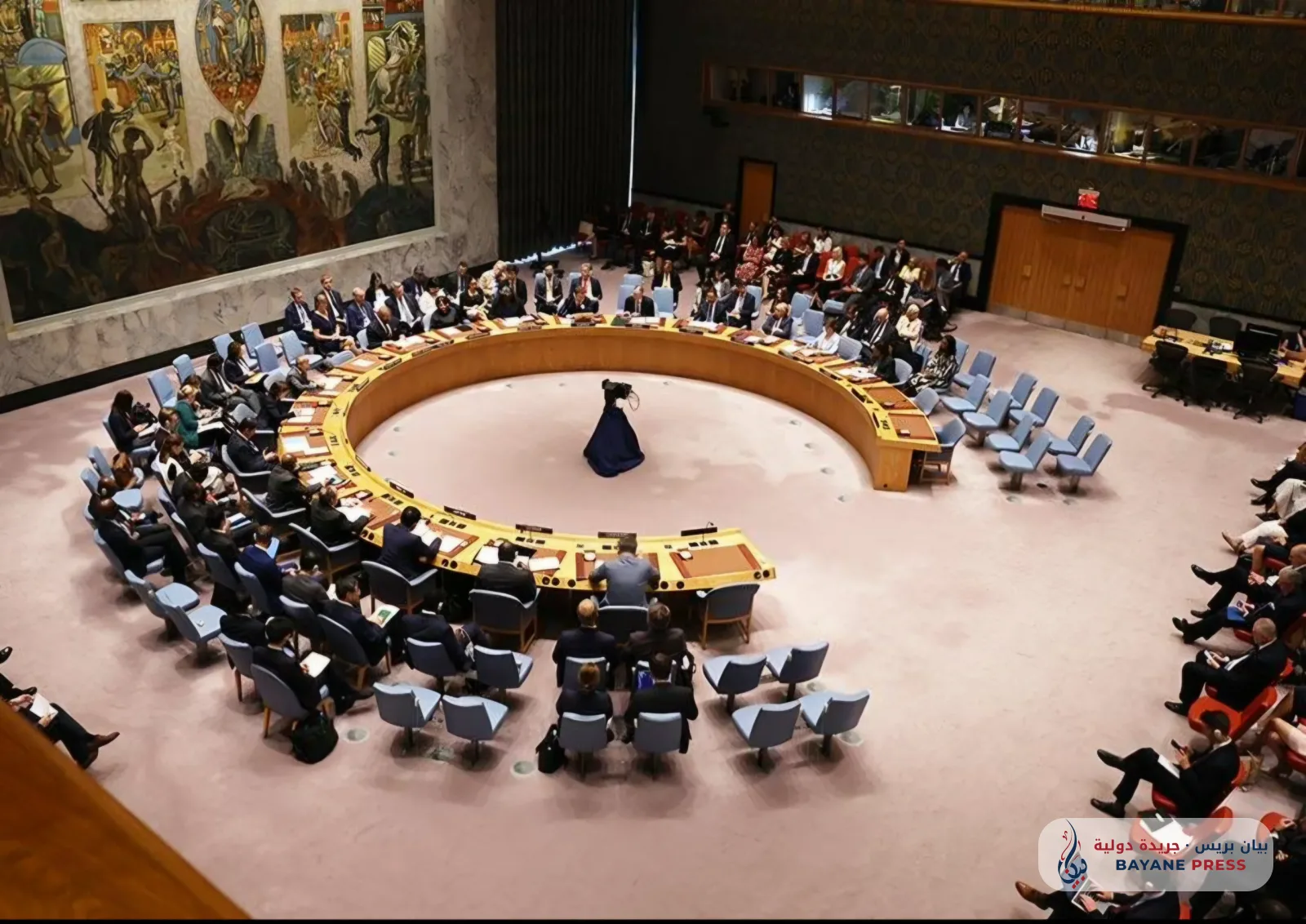
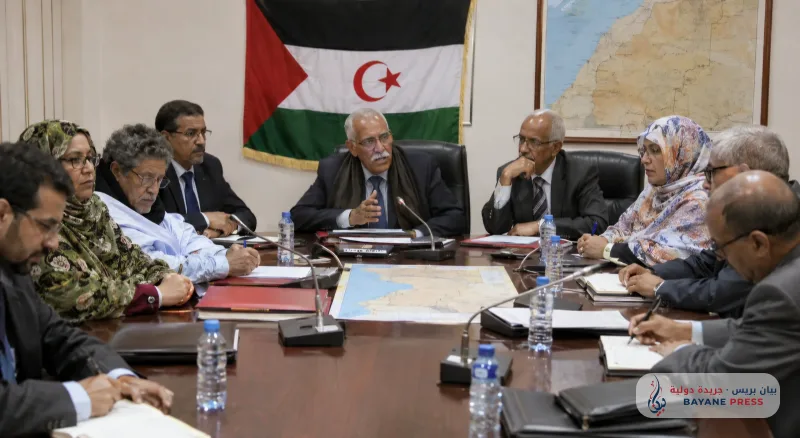
The Polisario Front has returned to maneuvering the Moroccan Sahara file within the corridors of the United Nations, through a new letter sent by its representative, Sidi Mohamed Omar, to the UN Security Council presidency, in an attempt to re-table the Front's demands regarding a referendum, amidst diplomatic shifts following the end of the "MINURSO" mission's mandate and growing international support for the Moroccan proposal based on autonomy under the Kingdom's sovereignty.
The letter, dated November 16, 2026, came in response to the positions expressed by the Moroccan representative during the UN General Assembly discussions on the 10th of this month, where the Polisario representative held Rabat responsible for the deadlock in the UN process, considering the non-renewal of the UN mission's mandate a result of disagreements over the nature of the proposed political solution.
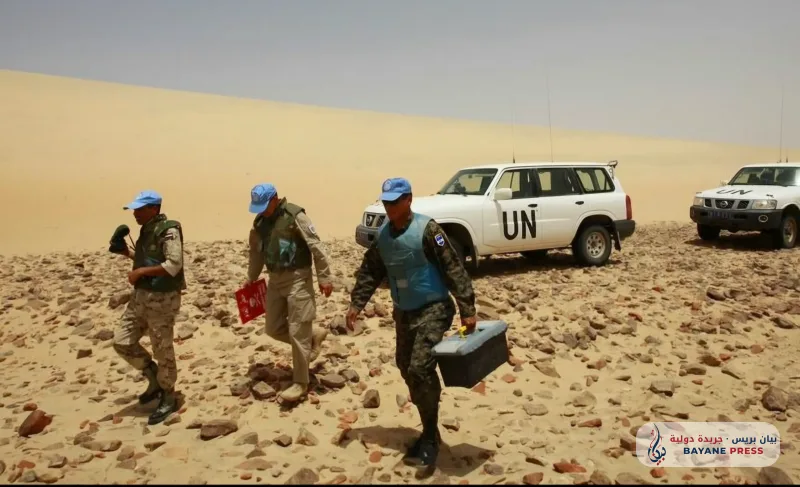
The Algerian press has once again highlighted this correspondence at a time when the file is witnessing a remarkable shift, after the Security Council failed on October 30 to adopt two competing draft resolutions regarding the extension of the "MINURSO" mandate—one American and one Russian—effectively ending the mission that lasted for nearly thirty-five years and initiating procedures to liquidate its presence on the ground.
However, interpreting these developments requires distinguishing between the end of a UN mission and a final legal resolution of the conflict, as the Security Council's deadlock reflects a disagreement among international powers regarding settlement mechanisms and does not, in itself, constitute a new decision regarding sovereignty over the territory.
Conversely, Morocco adheres to the autonomy initiative as the practical framework for reaching a political solution, relying on the support it enjoys from an increasing number of countries and the United States' recognition of its sovereignty over the Sahara. The U.S. representative to the UN, Mike Waltz, reaffirmed during his visit to Rabat on November 17 the continuity of the American position despite the failed vote within the Security Council, emphasizing the necessity of maintaining the ceasefire.
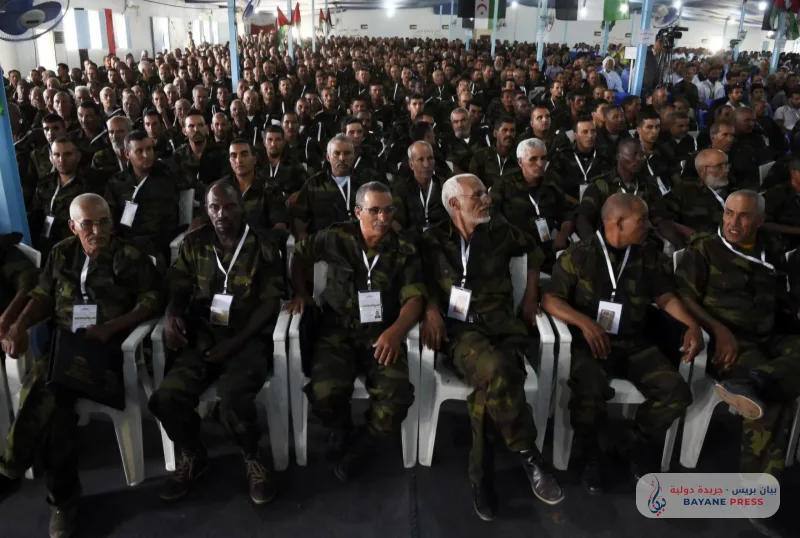
These developments reveal a fundamental difference in the two approaches; while Morocco seeks to establish the autonomy initiative as the basis for negotiation, the Polisario is attempting to keep the referendum option at the forefront of international debate, taking advantage of the ongoing disagreements among Security Council members regarding the appropriate formula for a settlement.
The importance of the Algerian dimension is highlighted here, given that Algeria is a participating party in the political consultations related to the file, in addition to hosting the Front's leadership and the Tindouf camps. Therefore, any diplomatic progress will not only be linked to the exchange of letters within the United Nations, but to the extent of the willingness of the concerned parties to move from opposing positions to negotiations that address the core issues.
The new phase places the Polisario before a clear political challenge: how to maintain its presence in the international process after the end of the UN mission that was historically linked to the referendum option, while Morocco continues to leverage its network of diplomatic relations and the support for its proposal to push for a settlement based on autonomy under Moroccan sovereignty.
Comments (0)
No comments yet. Be the first to react!