

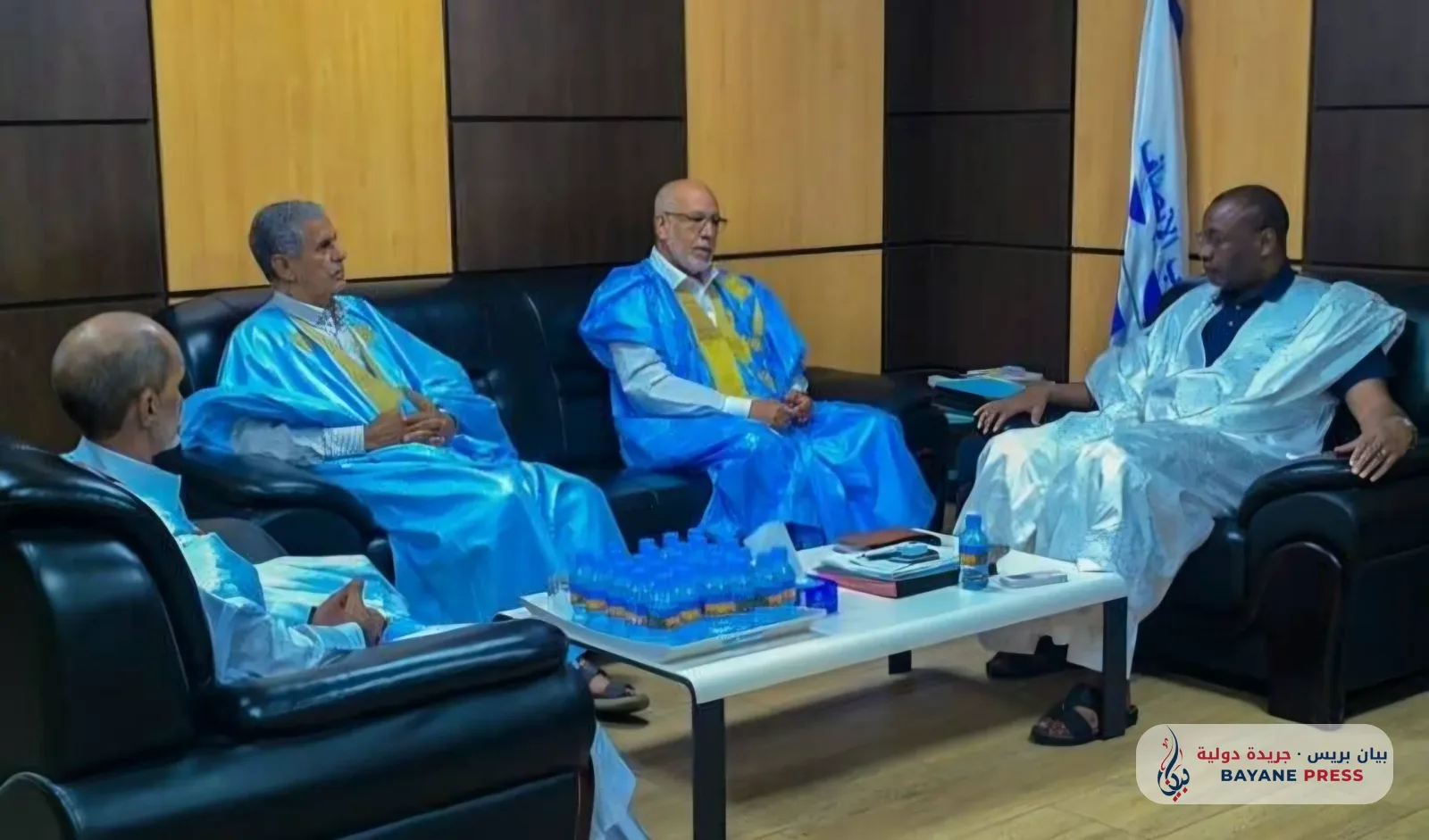
At a time of accelerating political, security, and economic shifts in the region, the Polisario Front has dispatched a delegation to the Mauritanian capital, Nouakchott, in an effort to seek clarification regarding recent decisions by Mauritanian authorities, particularly those related to tightening border controls and expanding mining investments, coinciding with growing cooperation between Morocco and Mauritania and openness to new Emirati investments.
According to data published by the Moroccan press on Friday, November 20, 2026, the delegation, led by Bachir Mustapha Sayed, head of the Front's National Council, had been waiting since Wednesday to be received by Mauritanian President Mohamed Ould Ghazouani, with no official confirmation of the meeting's occurrence as of the time of writing.
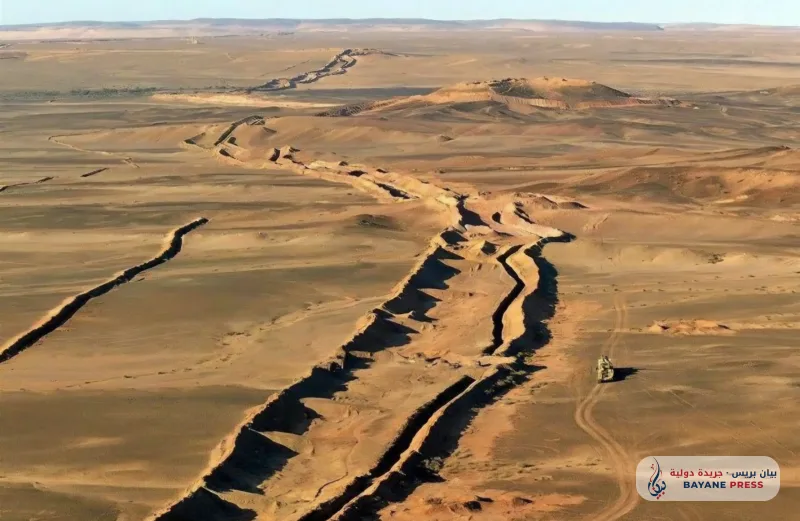
These movements follow decisions taken by Nouakchott to strengthen surveillance in the northern regions, particularly the strip extending between Bir Moghrein, Ain Ben Tili, and Zouerate, an area of strategic importance due to its proximity to the Algerian border and the Moroccan Sahara, as well as its mineral wealth and desert corridors.
The Governor of Tiris Zemmour, Idrissa Demba Correra, had issued a decision on November 17 to evacuate all artisanal gold mining sites located less than ten kilometers from the Mauritanian border, giving miners a two-week deadline to comply, a measure that Mauritanian officials emphasized is intended to protect citizens, ensure their safety, and enable the armed forces to perform their security duties.
This coincided with the Mauritanian Council of Ministers' approval, on November 18, of a draft decree granting 25 licenses for mineral exploration, amid increasing interest from foreign investors in Mauritanian natural resources. Press reports indicated the possibility of Emirati companies benefiting from investment opportunities in the region, without official confirmation that these companies are among the beneficiaries of the new licenses.
These developments raise questions about their repercussions on the movements of Polisario elements in border areas, especially if the tightening of Mauritanian surveillance leads to a reduction in the possibility of using routes near the border for unauthorized movements or military activities.
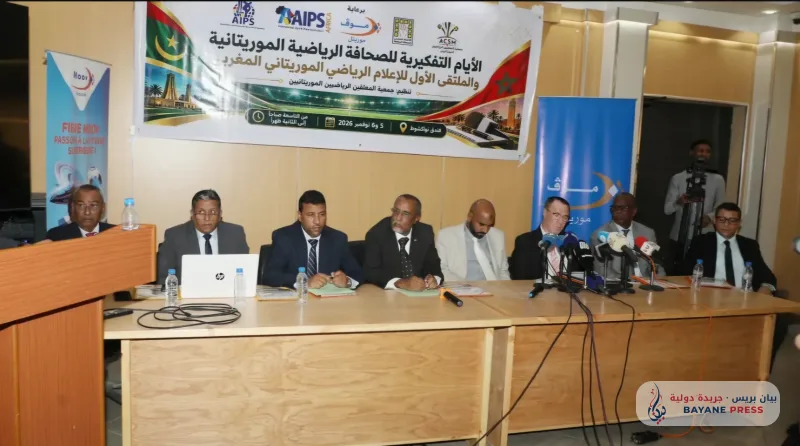
Conversely, the Rabat-Nouakchott axis is witnessing increasing economic and diplomatic momentum, embodied in recent days by the organization of the third edition of the Morocco Week in Mauritania, which runs from November 16 to 22, and the accompanying discussions on developing trade exchanges, logistical infrastructure, and joint investments.
This rapprochement gives Moroccan-Mauritanian relations dimensions that go beyond traditional bilateral cooperation, given the importance of land crossings, ports, and economic connectivity projects between Morocco and West African countries, projects on which Rabat is betting to strengthen its commercial and investment presence in the African heartland.
From a political perspective, the move by the Polisario delegation can be read as an attempt to gauge Nouakchott's orientation at a time when security and economic calculations in the region are changing, especially since any tightening of border controls could impose new realities on the Front's activities and movements.
However, a direct link between the Mauritanian decisions and a desire to pressure the Polisario remains a political interpretation not confirmed by the Mauritanian authorities, who have stressed that the measures taken are part of their responsibility to protect their borders, sovereignty, and the safety of their citizens.
For years, Mauritania has been keen to maintain a policy of balance in its relations with the various parties involved in the Sahara conflict, while simultaneously developing its economic and security cooperation with the Kingdom of Morocco and maintaining channels of communication with Algeria and the Polisario.
But the most notable variable is that Nouakchott appears more focused on enforcing border security requirements and protecting investment projects, a trend that may rearrange the calculations of various parties without necessarily implying a formal shift in its political position on the conflict.
Comments (0)
No comments yet. Be the first to react!