

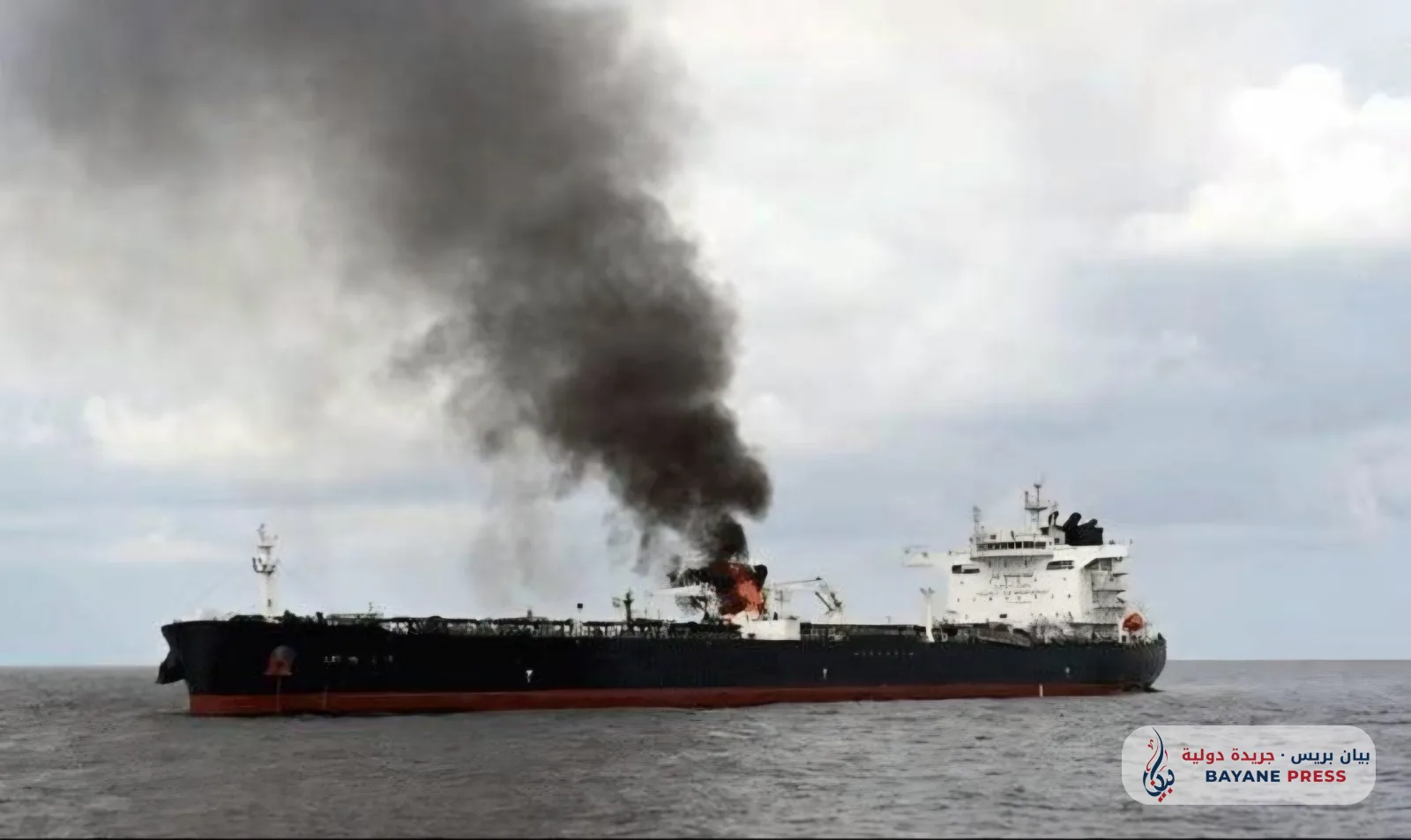
Security risks have once again overshadowed one of the world's most critical maritime corridors, after the United Kingdom Maritime Trade Operations (UKMTO) announced on the morning of Saturday, November 21, 2026, that it had received two reports regarding commercial tankers being targeted by unknown projectiles near the Strait of Hormuz. This development raises serious concerns over navigation safety and the repercussions of ongoing disruptions on the economies of Gulf nations, foremost among them the United Arab Emirates.
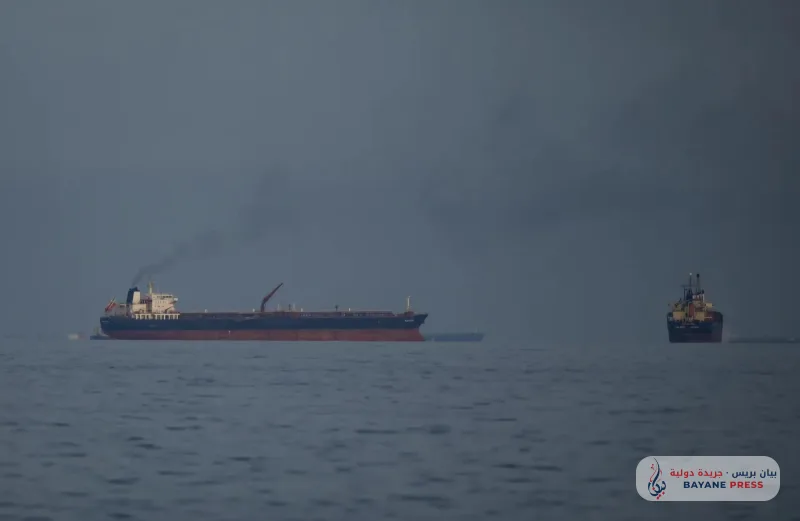
Reuters revealed that the first report involves a tanker whose stern was struck by an unknown projectile as it was exiting the strait, at a distance of approximately eleven nautical miles north of the Omani city of Khasab.
The second report stated that the engine room of another tanker was hit seventeen nautical miles east of Khasab, while authorities were not immediately able to determine whether the two reports involved two different vessels or the same tanker.
The UKMTO confirmed that no human injuries were recorded in the two reported incidents, while potential environmental impacts remained unknown at the time the preliminary information was released.
This development follows a similar attack that occurred on Friday near Khasab, which resulted in a fire breaking out on board a commercial tanker, reflecting the persistent threats facing vessel traffic in the region.
Although the two new incidents took place off the coast of Oman, their potential repercussions extend to the UAE, which relies on the activity of its ports, logistics centers, and global trade networks, in addition to the fact that a portion of its exports and maritime operations are tied to the stability of transit routes in the Gulf.
Increasing risks could lead to higher marine insurance and shipping costs, forcing some companies to review their operational routes or take additional security precautions, which could affect the speed of goods transit and transportation costs.
The situation's sensitivity is heightened by the ongoing regional confrontation linked to the war between the United States and Israel on one side, and Iran on the other, after maritime trade traffic through the strait has faced repeated disruptions since the outbreak of the conflict last February.
Competent authorities, in the data published by Reuters this morning, have not provided a definitive identification of those responsible for the latest two attacks.
The continuation of these incidents puts international navigation security to a new test, and highlights the importance of de-escalating regional tensions and providing effective guarantees to protect ships and maritime crews, especially since disruptions in the Strait of Hormuz could extend beyond Gulf markets to impact global trade and energy.

Comments (0)
No comments yet. Be the first to react!