


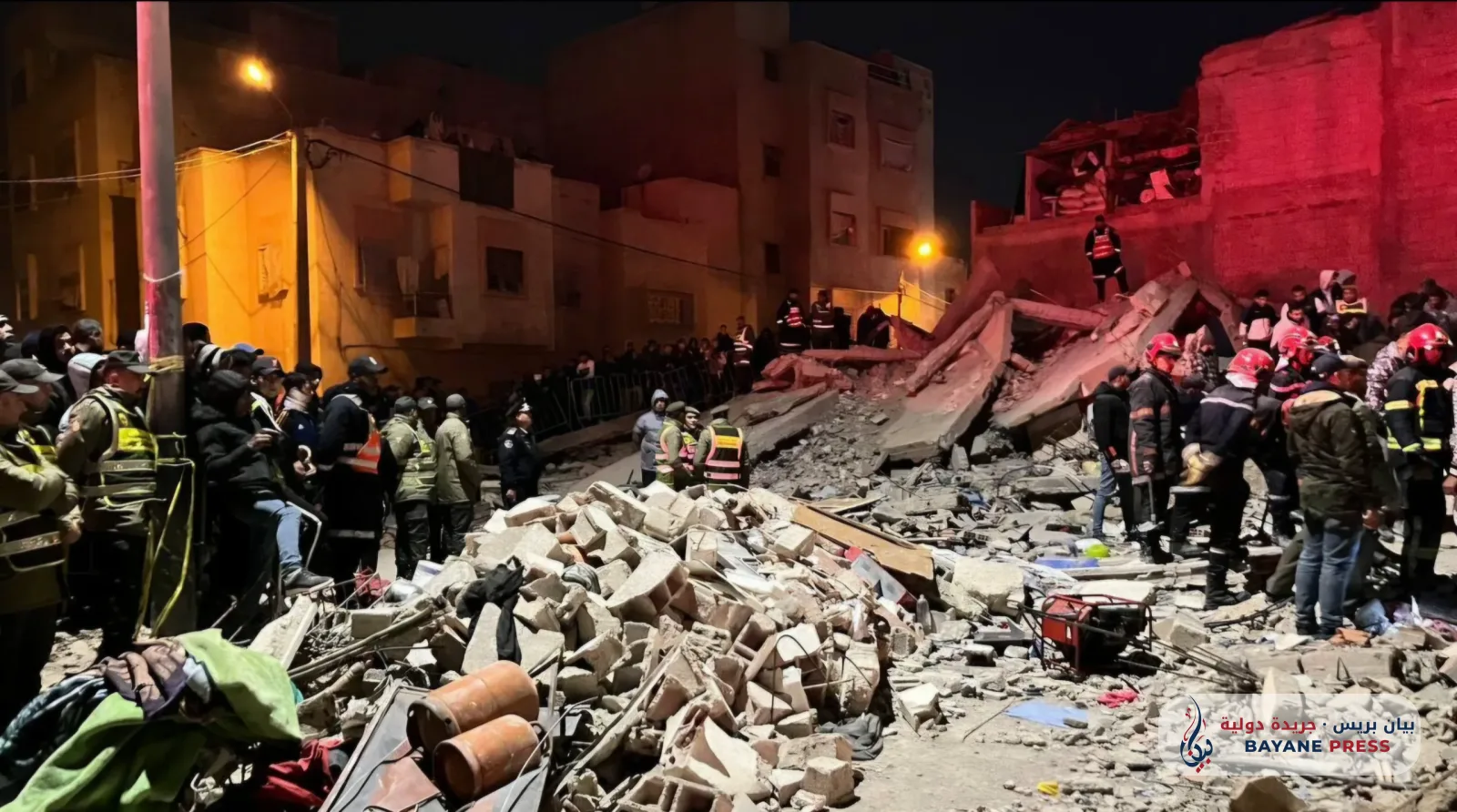
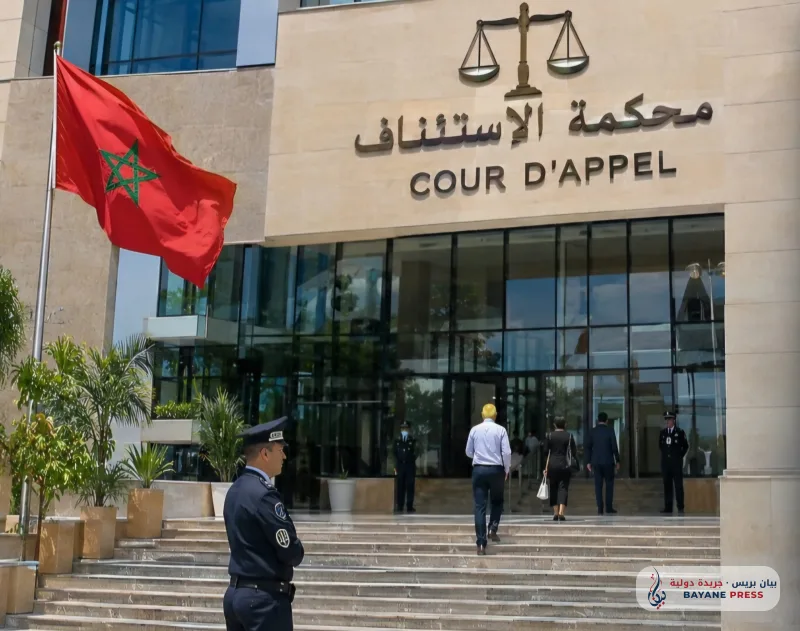
The tragedy of the collapse of two residential buildings in Fez returned to the forefront of judicial attention this Tuesday, November 10, 2026, after the Criminal Chamber specialized in financial crimes at the Court of Appeal decided to postpone the hearing of a case involving nineteen defendants, including elected officials, in connection with the disaster that left twenty-two dead and sixteen injured in December of last year.
The session saw the appearance of the head of the Zouagha district, Ismail Jay Mansouri, alongside his deputies Abdellah El Hadaf and El Khamar Samouh, among a group of defendants in the case linked to suspected violations in construction and urban planning, and potential responsibilities regarding the conditions that preceded the collapse of the buildings in the Al-Mustaqbal subdivision in the Massira neighborhood of the Bensouda area.
The judicial panel, presided over by Judge Mohamed Lahya, decided to adjourn the trial until December 1st, in order to summon the Judicial Agent of the Kingdom and the representative of the Fez commune, allowing for the completion of procedures related to the file.
There are eight defendants in the case currently in detention, and eleven others in a state of provisional release, pending the discussion of facts, evidence, and the determination of individual responsibilities in accordance with established judicial procedures.
Preliminary investigations and technical expert reports had revealed, according to data announced by the Public Prosecution, suspicions of irregularities in the construction of the two buildings, including the addition of floors without obtaining the necessary legal permits, the use of second-hand construction materials, and the existence of discrepancies in some documents and real estate transactions related to the project.
The investigations also included suspicions related to the issuance of administrative documents and occupancy permits outside legal regulations, which prompted the Public Prosecution to pursue the case in light of legal provisions related to involuntary manslaughter, causing bodily harm, bribery, and other violations.
This trial revives the debate regarding the monitoring of construction sites, compliance with urban planning designs, and the responsibility of the authorities in charge of tracking violations, especially in neighborhoods experiencing rapid urban expansion.
The interest in the case is not limited to determining potential criminal responsibilities, but extends to the necessity of drawing preventive lessons from the disaster and strengthening technical and administrative oversight of buildings to avoid the recurrence of similar incidents.



Comments (0)
No comments yet. Be the first to react!