


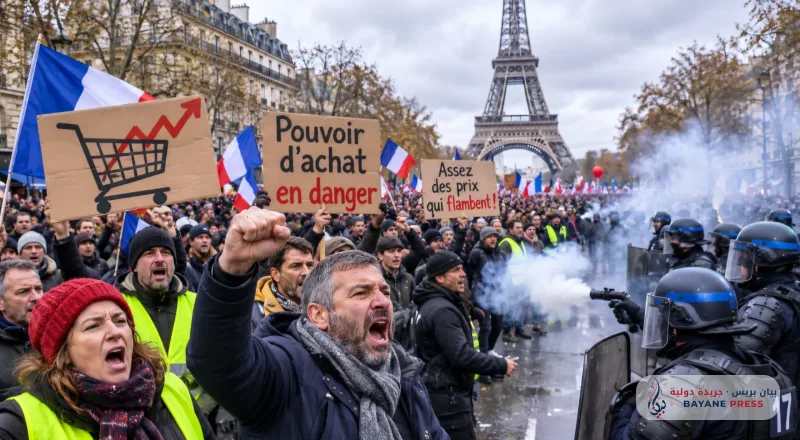
French streets no longer hold the same clamor that marked the past weeks of protests, as demonstrations saw a notable decline in participant numbers. This shift offers the government an opportunity to contain social tension, but raises questions about whether France is heading toward genuine calm, or if public anger has entered a phase of anticipation following a series of official concessions.
The latest mobilization figures showed the participation of about 82,500 protesters across the country, including 21,500 in the capital, Paris, according to Interior Ministry estimates, while organizers raised the number to 150,000. These figures remain below the levels recorded on November 14, when authorities counted 106,000 participants, compared to 200,000 according to organizers, signaling a contraction of the crowds that had been filling French squares and plazas.
This shift reflects a clear difference from the scene the country experienced in mid-October, when protests reached their peak with hundreds of thousands participating, expanding from student demands to issues of wages, social justice, and the cost of living. The mobilization was not limited to traditional unions but attracted youth and professional groups, alongside the return of Yellow Vest movement activists, in a scene that brought back to the forefront the social tensions that have accompanied French political life in recent years.
Faced with widespread anger, the government of Sébastien Lecornu chose to offer social concessions to ease the pressure, including the announcement of a 1.6 percent increase in the minimum wage, equivalent to approximately 24 euros net per month, in addition to launching consultations on the conditions of public sector workers. However, these measures, while coinciding with a decline in mobilization, have not resolved the dispute between the government and the unions, especially since the demands go beyond limited increases to improving the standard of living and addressing the growing burdens on families.
In the education sector, which was one of the main drivers of the movement, demands related to the shortage of teaching staff, overcrowded classrooms, and difficulties in accessing universities remained strongly present. The government faces pressure to move beyond temporary solutions toward reforms that ensure improved education quality and equal opportunity, after the demands of pupils and students became part of a broader national debate on the future of public services.
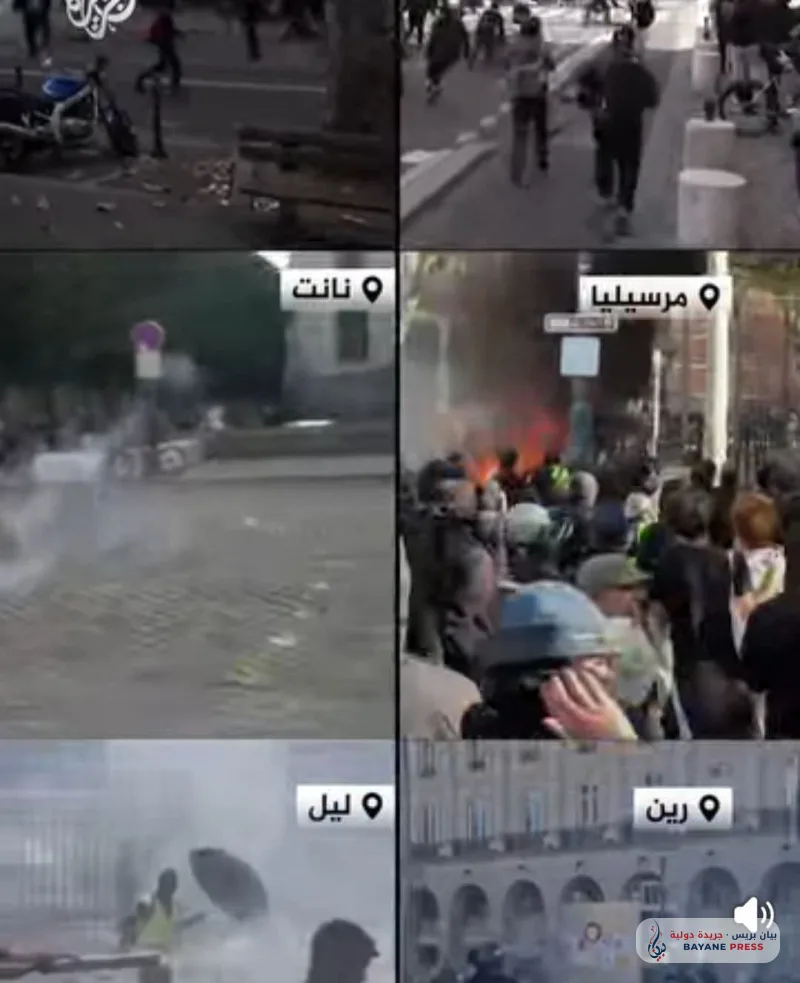
The decline in participation did not prevent authorities from maintaining strict security measures, as tens of thousands of police and gendarmerie officers were deployed to secure marches and prevent a repeat of the vandalism seen in some previous movements. While many demonstrations passed in relatively calm conditions, sporadic disturbances were recorded in some cities, including Marseille and Lille, accompanied by security interventions and arrests, reflecting the continued sensitivity of the situation despite the shrinking crowds.
Politically, Lecornu finds himself facing a test that goes beyond managing the streets to the future of governmental stability, in light of a delicate economic situation and public finances burdened by debt. Every social concession raises a question about its financial cost, while austerity or delaying reforms could reignite protests. This equation becomes more complex as the 2027 presidential election approaches, in which purchasing power and social policies are expected to occupy a central position in political competition.
The figures alone do not allow us to consider government concessions as the decisive reason behind the decline in demonstrations, as factors related to the long duration of the protests, the decline in the capacity for mobilization, and the differing positions of participating organizations may be intertwined. Furthermore, the lower turnout on the streets does not necessarily mean a decline in support for social demands, especially in light of the continued economic pressures felt by citizens.
The calm that French cities have begun to regain may be an indicator of the relative success of the containment policy, but it remains an open test for the government. The true measure of the success of the de-escalation will not be the number of protesters who left the squares, but the extent of the improvement they will feel in their wages, services, and ability to cope with the costs of life—files that will determine whether France has overcome its social crisis or merely postponed its explosion to a later date.

Comments (0)
No comments yet. Be the first to react!