


Zineb El Sayeh
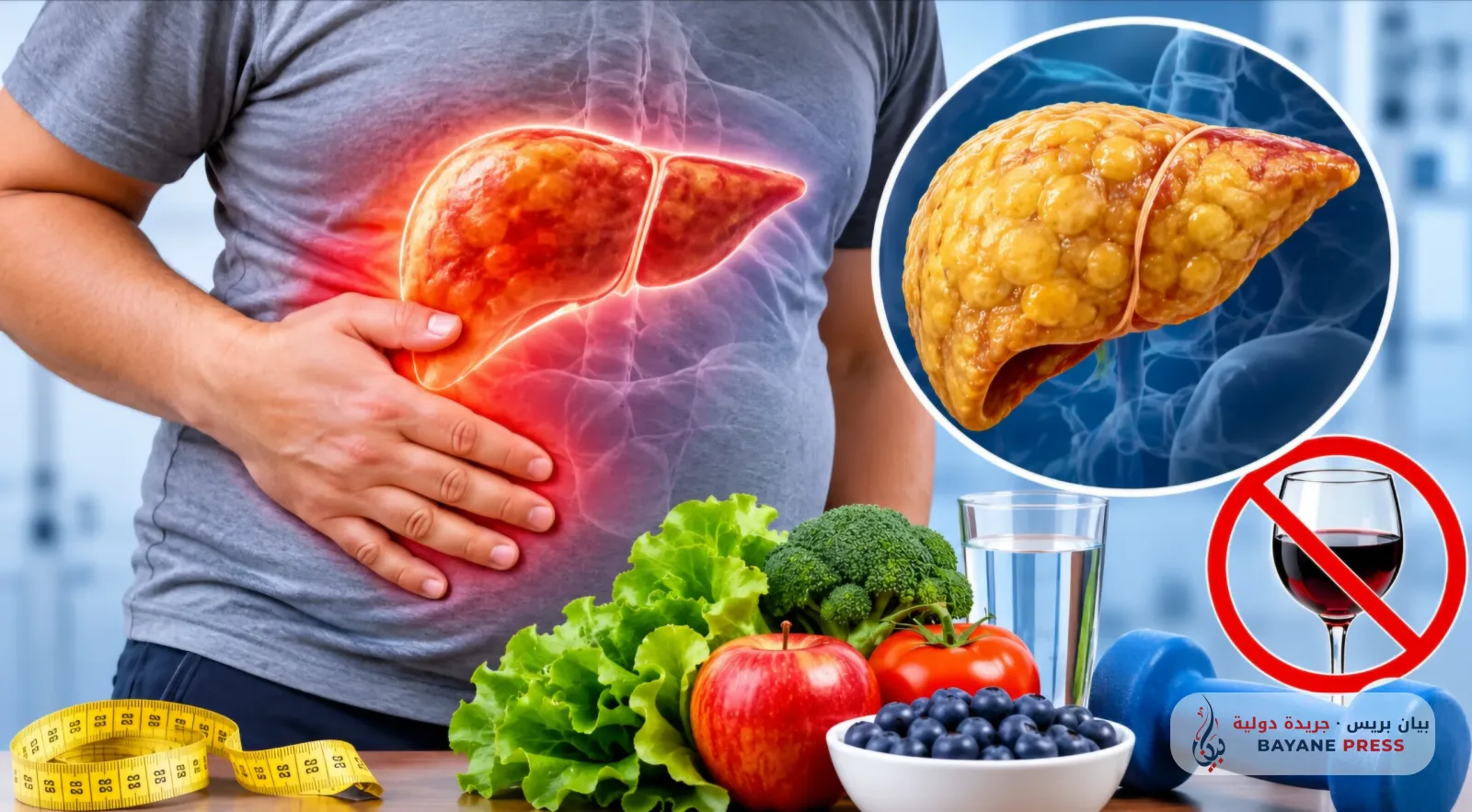
Fatty liver disease is considered one of the most common health problems in modern times. It describes a condition where excess fat accumulates inside liver cells, which can hinder its vital primary functions in the body. This condition is mainly divided into two primary types: metabolic dysfunction-associated steatotic liver disease (MASLD) and alcohol-associated liver disease. Several factors play a key role in developing it, such as severe obesity, type 2 diabetes, high triglyceride levels, and bad cholesterol (LDL), in addition to genetic factors and a sedentary lifestyle.
The early stages of the disease are often silent and devoid of clear symptoms, making its early detection usually reliant on routine checkups or incidental findings during an abdominal ultrasound. As the condition progresses, some general symptoms may appear, such as persistent fatigue, general exhaustion, and a mild ache or discomfort in the upper right side of the abdomen. When the condition evolves from simple fat accumulation into what is known as steatohepatitis, cells begin to suffer damage and inflammation, paving the long-term way toward liver fibrosis or cirrhosis, and ultimately liver failure in advanced, untreated cases.
Accurate medical diagnosis relies on an integrated set of tools starting with laboratory tests to evaluate liver enzymes such as ALT and AST, moving through advanced imaging tests like ultrasound or a FibroScan to measure liver elasticity and stiffness. In some complex cases, a physician may resort to a liver biopsy to precisely determine the extent of the damage.
Treatment and prevention are fundamentally based on modifying daily lifestyle habits. Gradual weight loss ranging from seven to ten percent of total body weight represents a radical and effective solution to reduce deposited fats. It is recommended to follow a healthy and balanced diet, such as the Mediterranean diet, which focuses on consuming vegetables, fruits, whole grains, and fish, while avoiding processed sugars and saturated fats. In addition, engaging in regular physical exercise boosts calorie burning and improves insulin sensitivity, alongside continuous follow-up with a specialist physician to manage co-existing conditions such as diabetes and high blood pressure, thereby ensuring regular monitoring of liver health and protecting it from negative developments.


Comments (0)
No comments yet. Be the first to react!