


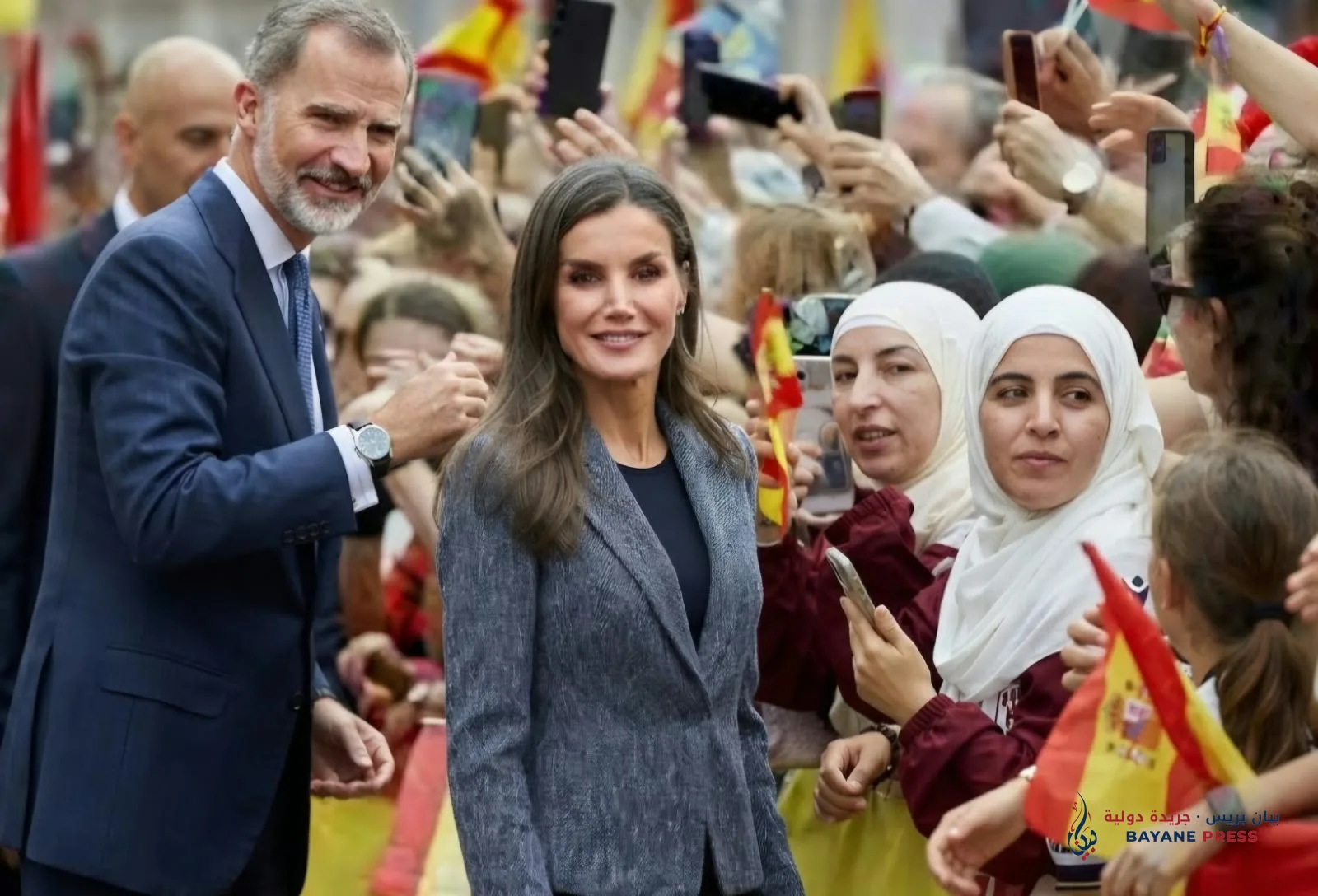
The official visit by Spain’s King Felipe VI to the occupied city of Ceuta, followed by a visit to Melilla, carries delicate and far-reaching implications that go beyond the usual protocol. It cuts deeply across the complexities of Spain’s domestic political scene and the tangled regional geopolitics of the western Mediterranean basin. This royal trip, the first of its kind since the monarch took the throne in 2014, sets a notable precedent: the king will spend a night in the occupied enclave, a first in Spain’s democratic era. It comes at a sensitive moment, when Madrid’s calculations call for containing partisan tensions and absorbing mounting pressure from right-wing and populist parties that use the two cities as a tool of domestic political blackmail, particularly after the aftershocks of the mass migration crisis that hit Ceuta in late July. The move thus appears to be a preemptive attempt to lift morale on the home front and assert an institutional and sovereign presence in response to the structural anxiety of local residents.
Despite Spanish official circles’ efforts to give the visit a service-oriented, social and humanitarian tone, with stops at schools and at the graves of victims, its geopolitical dimensions open onto a broader strategic horizon. They reflect Madrid’s predicament in managing its southern border, the soft underbelly of the European Union, torn between national security concerns and the necessity of an indispensable strategic partnership with Morocco, especially given the major shifts in bilateral relations and Spain’s new stance on the Moroccan Sahara and its support for the autonomy initiative.
From a wider regional perspective, these colonial enclaves, at odds with history and geography, emerge as situational pressure levers that Spanish circles use to manage open migration crises. Morocco responds with a high degree of strategic calm and diplomatic maturity, clearly separating the Spanish political class’s momentary electoral maneuvering from the depth of shared strategic interests and the promising prospects that unite the two countries, notably as joint preparations advance for continental and global events such as the 2030 World Cup. This confirms once again that attempts to cement sovereignty through symbolic force and showy visits remain powerless to overcome the inevitability of geography or alter the historical facts, which hold that the two presidios remain an integral part of the Maghreb’s vital sphere, governed by a logic of long-term historical and strategic continuity.


Comments (0)
No comments yet. Be the first to react!