

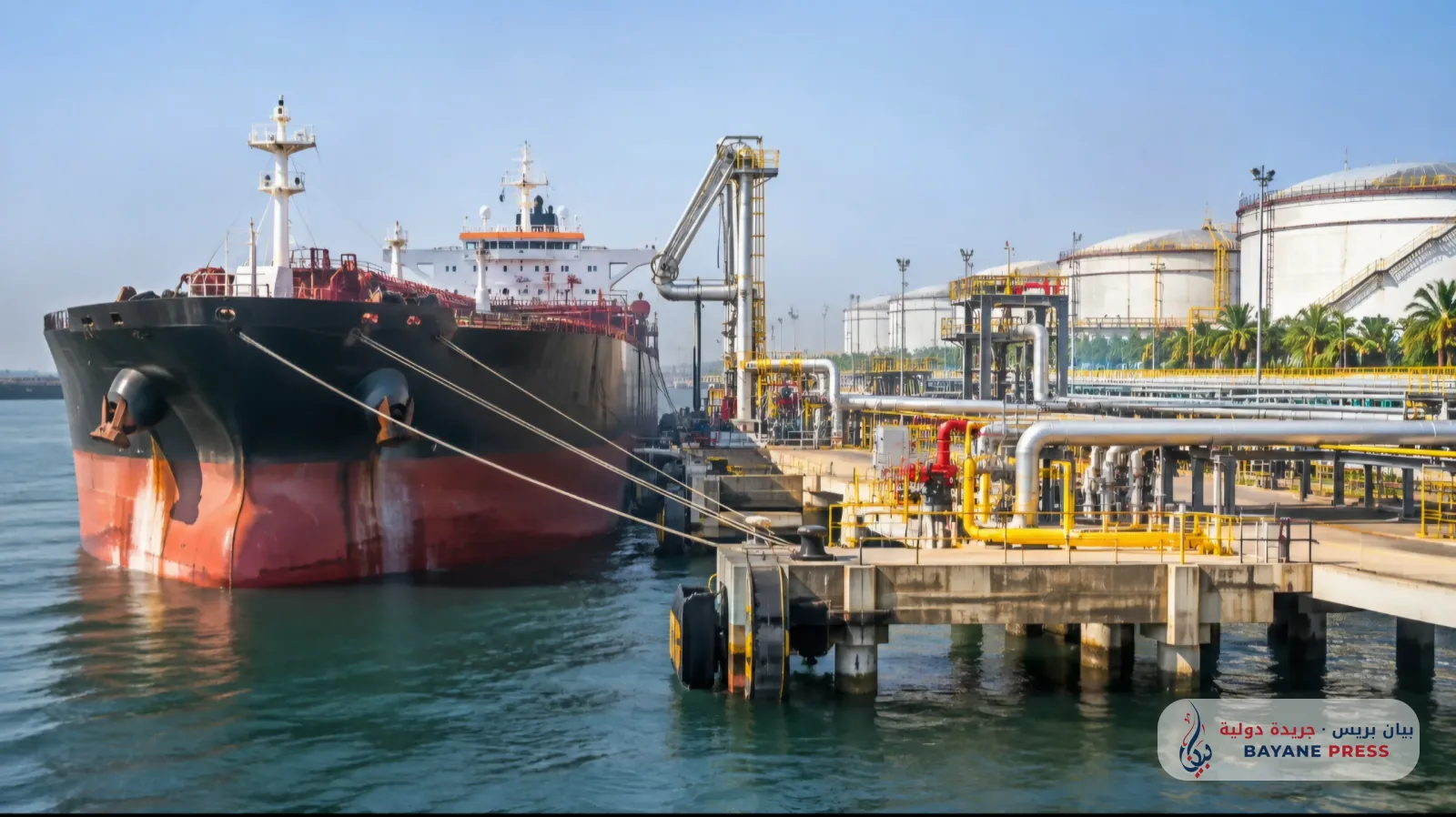
The Indian oil market has witnessed a significant shift in Gulf supply balances, as the Kingdom of Saudi Arabia managed to surpass the United Arab Emirates to become the second-largest supplier of crude oil to India during October 2026, a development reflecting the intensifying competition among producers for one of the world's largest energy consumer markets.
Recent trade data, released on Thursday, November 19, showed that India's imports of Saudi oil rose to approximately 790,000 barrels per day, marking their highest level in eight months, while Emirati supplies fell to about 612,000 barrels per day, the lowest level in seven months. Russia maintained its lead as the top supplier to the Indian market, with an average of 1.85 million barrels per day.
This shift comes amid broad changes in global oil trade, resulting from disruptions in the Gulf region and the impact on traditional shipping routes, particularly through the Strait of Hormuz. Price discounts offered by Saudi Arabia, along with increased exports via the Yanbu port on the Red Sea, have helped strengthen its competitiveness and attract more orders from Indian refineries.
Conversely, the UAE had strengthened its presence in the Indian market in previous months, benefiting from alternative transport arrangements that allowed for the export of crude volumes away from maritime corridors most affected by regional tensions.
Despite the decline in its exports to India during October, cumulative figures reveal a different picture; India's average imports of Emirati oil rose by 41.8 percent during the period from April to October, compared to the same period last year, reaching about 741,000 barrels per day, while imports of Saudi oil fell by 18.4 percent.
The importance of this competition is growing as India's total oil imports reached a record level of 5.58 million barrels per day during October, an annual increase of 6.9 percent, making the Indian market a key arena for competition among major producers.
Saudi Arabia's lead in a single month does not mean the UAE has lost its strategic position in this market, but rather reveals the sensitivity of oil trade to price changes, transport costs, and geopolitical disruptions, at a time when both countries are seeking to expand their shares of Asian demand and secure more stable energy flow routes.



Comments (0)
No comments yet. Be the first to react!