


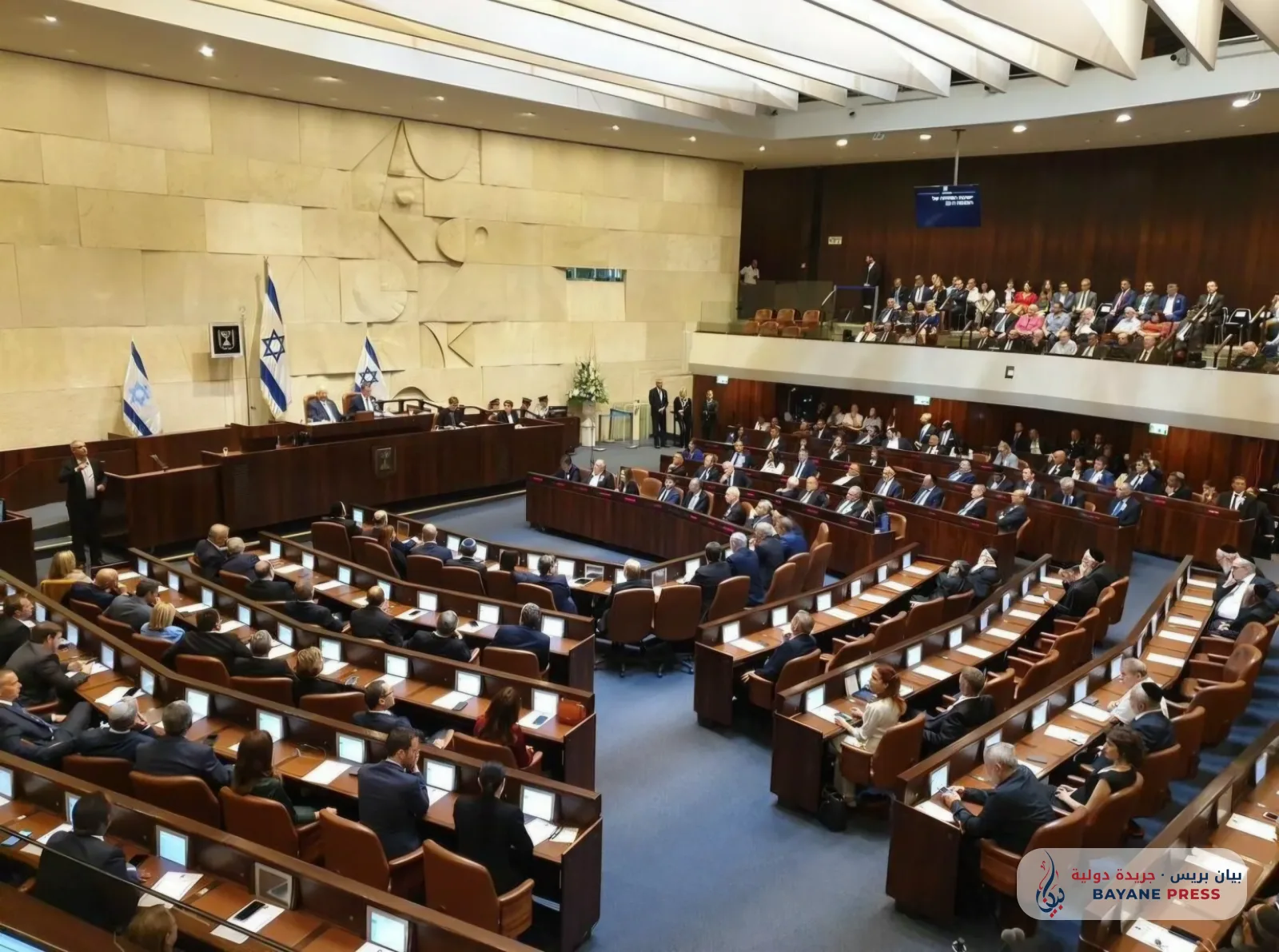
Israel has entered a new phase of political friction with the opening of the first session of the 26th Knesset, in a meeting marked by verbal altercations and sharp protests that reflected the depth of the division between the camp of outgoing Prime Minister Benjamin Netanyahu and the political forces seeking to remove him from power.
The session, held on Tuesday, November 10, witnessed a scathing attack by Netanyahu on the Arab parties represented in parliament, accusing them of adopting positions that target the existence of the Israeli state and warning his opponents against forming a government that relies on their support. His remarks sparked objections within the hall, prompting a number of lawmakers to walk out, while the perimeter of the parliament saw protests rejecting the participation of Arab parties in any government coalition.
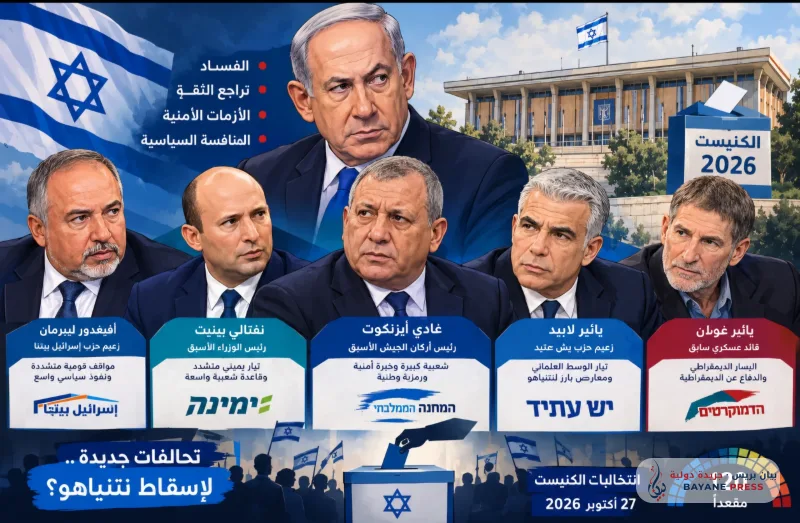
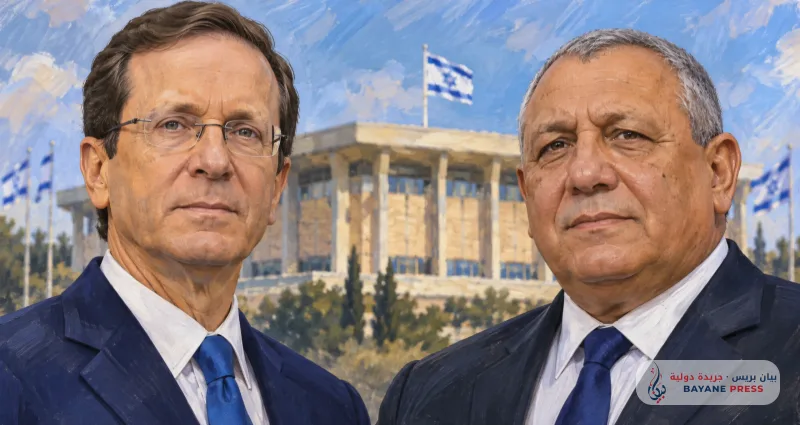
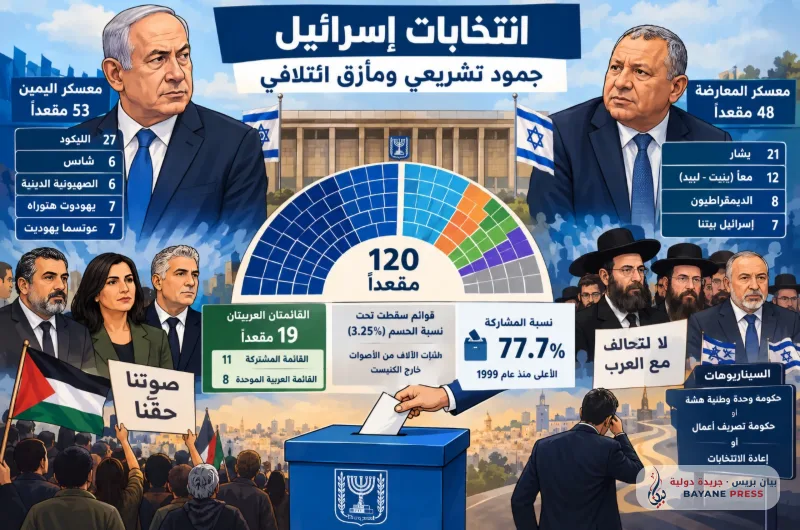
These developments come after former Israeli Chief of Staff Gadi Eizenkot was tasked with attempting to form the new government, following his receipt of recommendations from blocs comprising 67 lawmakers, compared to 46 lawmakers who recommended tasking Netanyahu, in a parliament consisting of 120 seats.
Although the Likud party led the election results by securing 27 seats, this did not grant Netanyahu a sufficient majority to form a government on his own, while Eizenkot faces a complex challenge in bringing together disparate political parties into a sustainable coalition.
The current confrontation reveals that the governance crisis in Israel is not limited to a conflict between two figures, but extends to the dispute over the participation of Arab citizens in decision-making, the future of political alliances, and the nature of security policies. The possibility of a government change remains, without the transition of power having been finalized as of yet.
Comments (0)
No comments yet. Be the first to react!