

Russian diplomacy has delayed disclosing its final stance on the draft resolution concerning the Moroccan Sahara issue until the very last moments preceding the anticipated voting session in the UN Security Council, affirming that the determination of its official orientation remains dependent on the outcome of closed consultations underway between member states within the corridors of the UN permanent headquarters in New York.
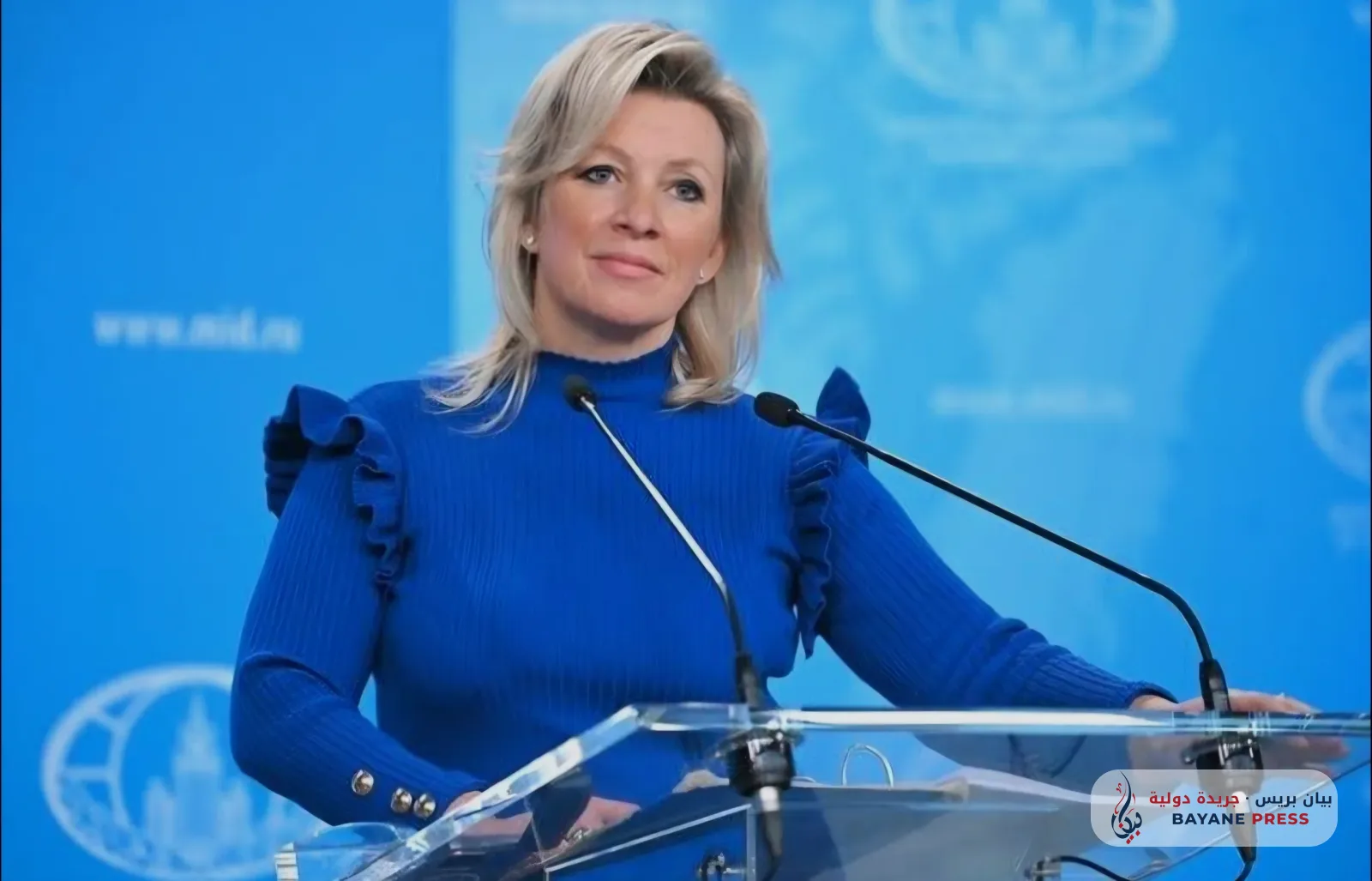
The official spokesperson for the Russian Ministry of Foreign Affairs, Maria Zakharova, stated in her weekly press briefing that Moscow in principle supports the renewal of the mandate of the United Nations Mission for the Referendum in Western Sahara (MINURSO) to preserve field stability, though finalizing its voting position depends exclusively on the final wording of the text after the conclusion of negotiation rounds. Zakharova confirmed her country's welcome of the efforts exerted by the Personal Envoy of the UN Secretary-General, Staffan de Mistura, and the facilitation of dialogue channels with the participation of the concerned parties and neighboring countries, while emphasizing commitment to relevant Security Council resolutions and considering that rushing to premature judgments on proposed settlement initiatives remains premature unless based on a mutual negotiated consensus acceptable to all parties.
These developments coincide with intensive consultations sponsored by the United States, in its capacity as the "penholder" responsible for drafting the UN text, to cement the growing international momentum supporting the Moroccan Autonomy Initiative as a serious and credible basis for ending the regional dispute. Diplomatic observers following the backstage maneuvers of the Security Council point out that the Russian position reflects the policy of "calculated neutrality" that Moscow has consistently pursued in previous sessions; it typically prefers the option of abstaining from voting rather than resorting to the veto power, thereby registering its procedural objections to the phrasing of texts without disrupting the extension of the UN mission or directly clashing with regional balances in North Africa.
This diplomatic suspense reflects the Kremlin's keenness to balance its interests and bilateral relations in the region, within an international context marked by broad polarization, as Moscow seeks to manage peace and security files in accordance with a negotiating approach that takes into account its geopolitical presence within United Nations bodies.
Comments (0)
No comments yet. Be the first to react!