


Tunis – Tuesday, November 3, 2026
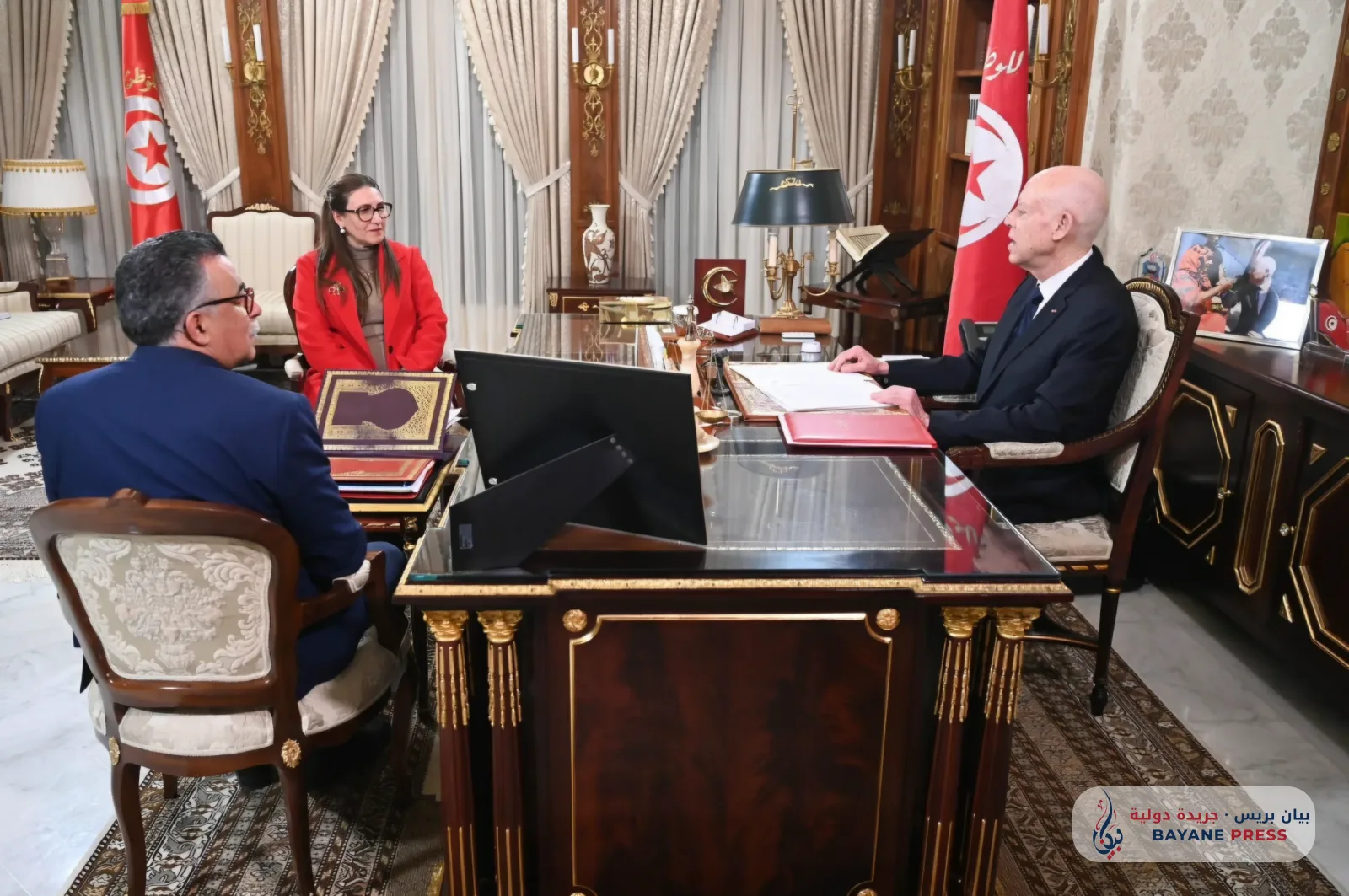
In a move reflecting the Tunisian presidency's continued push to bring the recovery of public funds to the forefront of the political and economic agenda, Tunisian President Kais Saied has reiterated that the financial rights of the Tunisian people cannot be subject to bargaining or compromise. He emphasized the necessity of accelerating penal settlement procedures and removing obstacles hindering the recovery of funds owed to the state, whether located inside the country or abroad.
The Tunisian president's remarks came during his meeting on Monday, November 2, 2026, at the Carthage Palace, with the Head of the National Commission for Penal Settlement, Ali Abbas. The two sides reviewed the commission's workflow and developments related to the implementation of new legal amendments, notably Decree No. 2 of 2026 issued on September 30, which introduced amendments to the legal framework governing penal settlements and the allocation of their proceeds.
According to the Tunis Afrique Presse agency on Tuesday, Kais Saied stated that the penal settlement initiative has faced repeated attempts to obstruct it since its launch. He considered that the recent amendments aim to improve procedural mechanisms and facilitate the processing of files, without allowing legal flexibility to become a means of relinquishing the state's financial rights.
The Tunisian president stressed that the funds demanded for recovery represent a right of the people, and the passage of years cannot be a justification for waiving these rights. He confirmed that the doors of settlement remain open for concerned individuals willing to regularize their situations in accordance with the law.
The penal settlement file is considered one of the most prominent mechanisms relied upon by the Tunisian authorities to boost state resources through legal settlements with parties involved in financial and economic cases, in exchange for utilizing the expected proceeds to support projects and programs of public utility.
These developments come amid economic and financial challenges facing Tunisia, making the issue of recovering funds and achieving tangible results in this file a matter of widespread interest. The success of the initiative will remain tied to the volume of funds actually recovered, the transparency of procedures, and the extent to which the results reflect on the economic and social conditions of citizens.
Between the presidential insistence on safeguarding public funds and the need to expedite legal procedures, the primary challenge remains transforming political directives into measurable practical results that ensure the protection of public money and reinforce trust in Tunisian institutions.


Comments (0)
No comments yet. Be the first to react!