

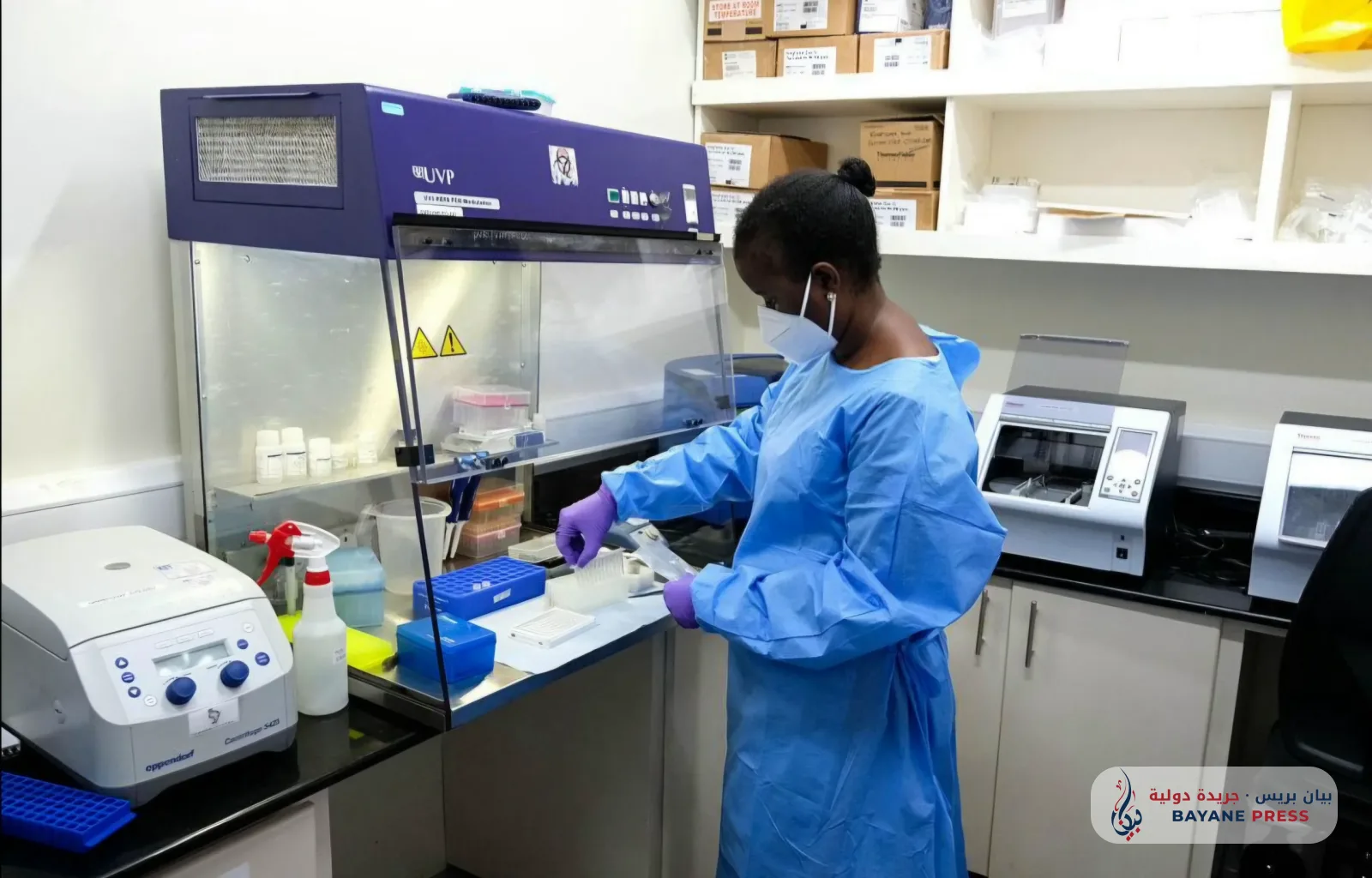
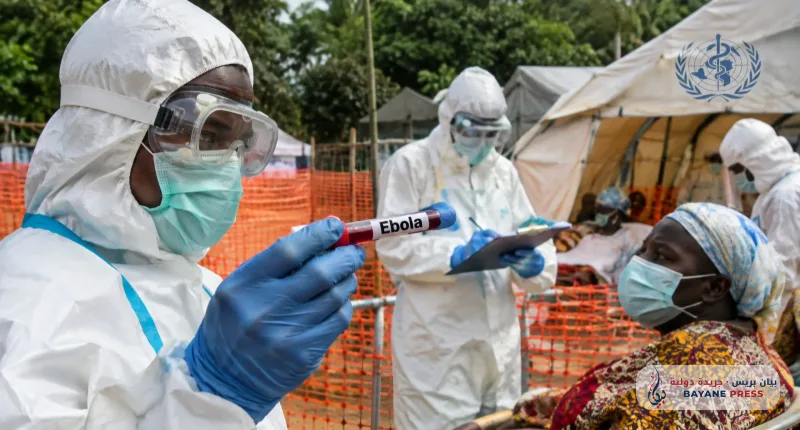
The African continent has entered a new phase in the fight against the Ebola virus, as the Uganda Virus Research Institute announced the launch of the first clinical trial in Africa for a vaccine based on messenger RNA (mRNA) technology, targeting the "Bundibugyo" strain of the virus, which is responsible for a dangerous outbreak in the Democratic Republic of the Congo.
The study is being conducted in collaboration with the American company Moderna, following approval from Ugandan regulatory authorities, with the aim of evaluating the safety of the experimental vaccine and its ability to stimulate an immune response in humans.
The research program aims to enroll approximately 224 healthy volunteers, aged between one year and 65 years, with participants undergoing medical monitoring for nearly a full year after receiving the injection scheduled as part of the study.
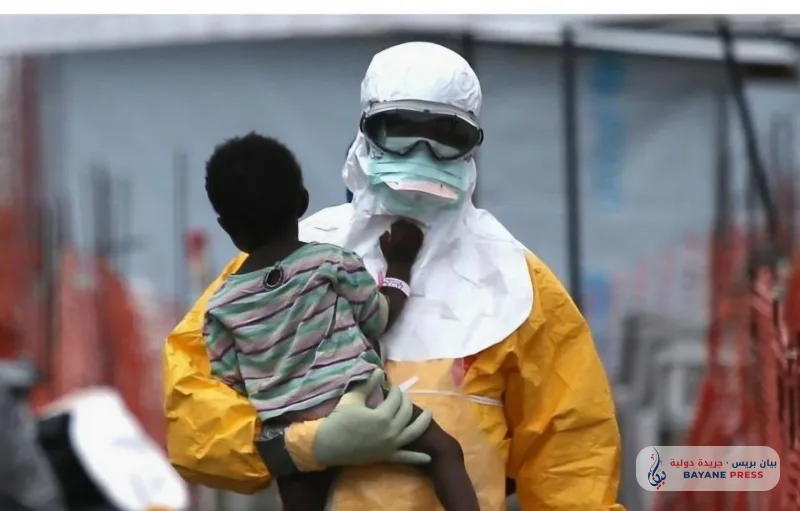
The trial is of particular importance as it is the first to include young children in this vaccine development program, following a previous trial launched in Canada in August 2026, which was limited to adult participants.
The vaccine development program is supported by funding of 58.5 million dollars from the Coalition for Epidemic Preparedness Innovations (CEPI), as part of international efforts to accelerate the development of preventive measures against dangerous viral diseases.
In parallel with the Ugandan project, other research is underway to develop a vaccine targeting the same strain of the virus, with the participation of the University of Oxford and the Serum Institute of India, as part of diversifying the preventive options available to health authorities.
Despite the importance of this scientific step, the vaccine is still in the first phase of clinical trials, its preventive efficacy has not yet been definitively proven, and it has not received authorization for general use.
Researchers are pinning their hopes on the results of the ongoing studies, which could contribute in the future to strengthening the capacity of African health systems to confront Ebola outbreaks and limit their human and health repercussions.


Comments (0)
No comments yet. Be the first to react!