

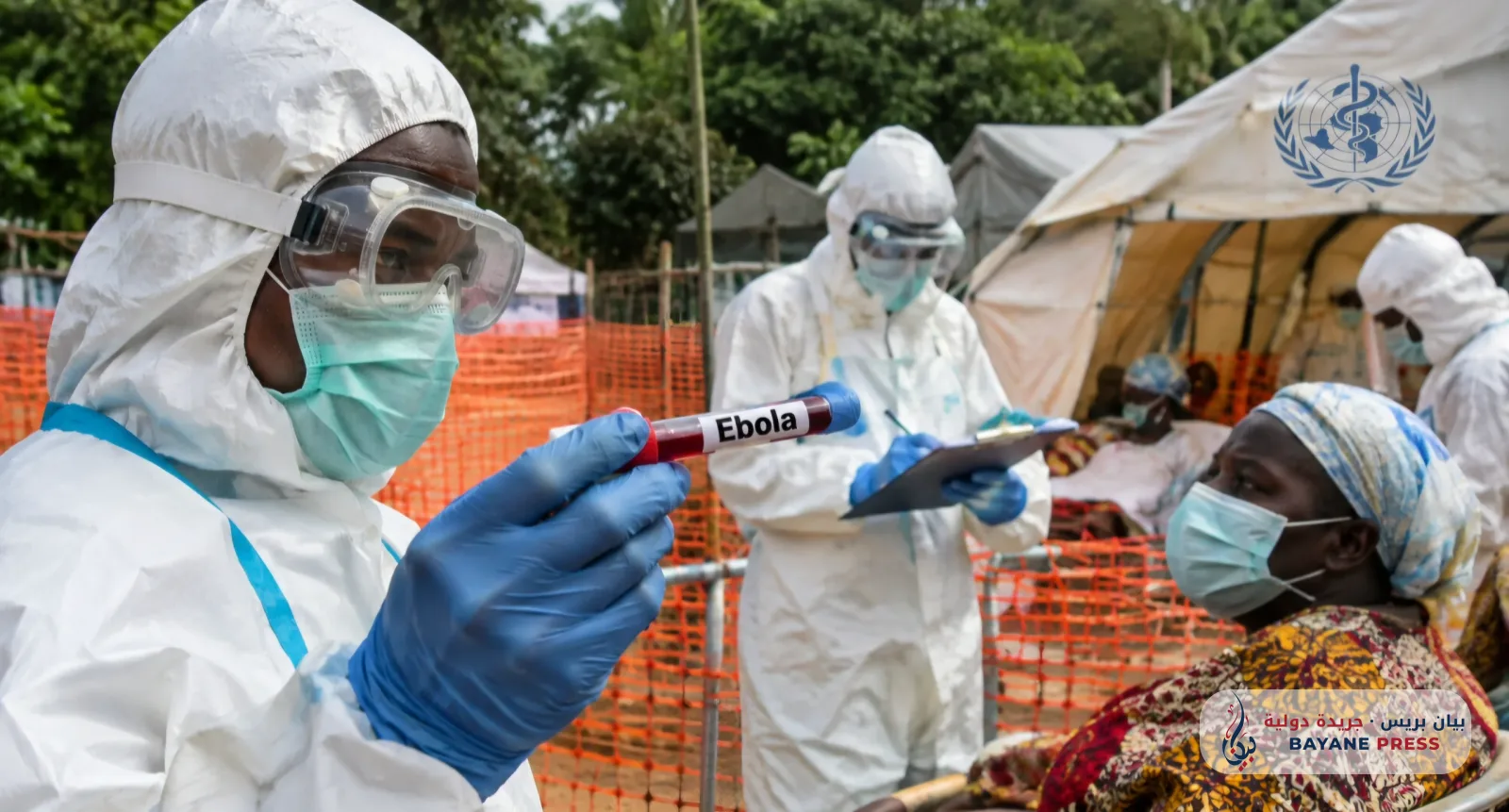
The World Health Organization has warned of the continued spread of the Ebola epidemic in the Democratic Republic of the Congo, despite signs of a decline in infections in some areas that were major hubs of transmission, after the total number of confirmed cases exceeded eleven thousand, in the second-largest recorded outbreak of the disease globally.
UN health officials stated on Friday, November 13, 2026, in Geneva, that efforts to combat the epidemic have made progress over the past six months, but the transmission of the virus to remote, hard-to-reach rural areas has become a new challenge for medical teams.
According to the latest data published by the European Centre for Disease Prevention and Control, the number of confirmed cases in the Democratic Republic of the Congo has reached 11,114, including 5,433 deaths, based on data recorded as of November 10, which was updated on November 12, 2026.
These figures indicate a mortality rate of approximately 49 percent among confirmed cases, noting that this is a rate calculated from recorded cases and not a final estimate of the mortality rate among all infected individuals.
The current outbreak is caused by the Bundibugyo virus, one of the strains that causes Ebola, for which there is currently no approved vaccine or specific treatment, making early detection, isolation, supportive medical care, and contact tracing essential elements of the health response.
Chikwe Ihekweazu, the official in charge of the WHO's health emergency program, said that the decline in infections in previous areas, including the city of Bunia in eastern Congo, is a positive development, but the spread of the epidemic toward less secure and more difficult-to-reach areas threatens the efforts made to contain it.
The international official revealed that 80 attacks have been recorded against health facilities and medical personnel during the response period, which has disrupted some field activities and increased the risks faced by intervention teams.
In contrast, Doctors Without Borders expressed concern over the continued shortage of essential supplies, considering that the spread of the disease is not yet under control in the affected areas.
Julian Harneis, the UN Ebola Response Coordinator, explained that the vast geographical scope of the work poses a major logistical challenge, but he confirmed that humanitarian teams are able to carry out their activities in the relevant areas for about 80 percent of the time.
The risks associated with the epidemic outbreak remain linked not only to the nature of the virus, but also to weak health services, security disturbances, and difficulty in reaching the population, which requires strengthening international coordination and providing the necessary medical resources to reduce deaths and prevent the spread of infection to new areas.



Comments (0)
No comments yet. Be the first to react!