

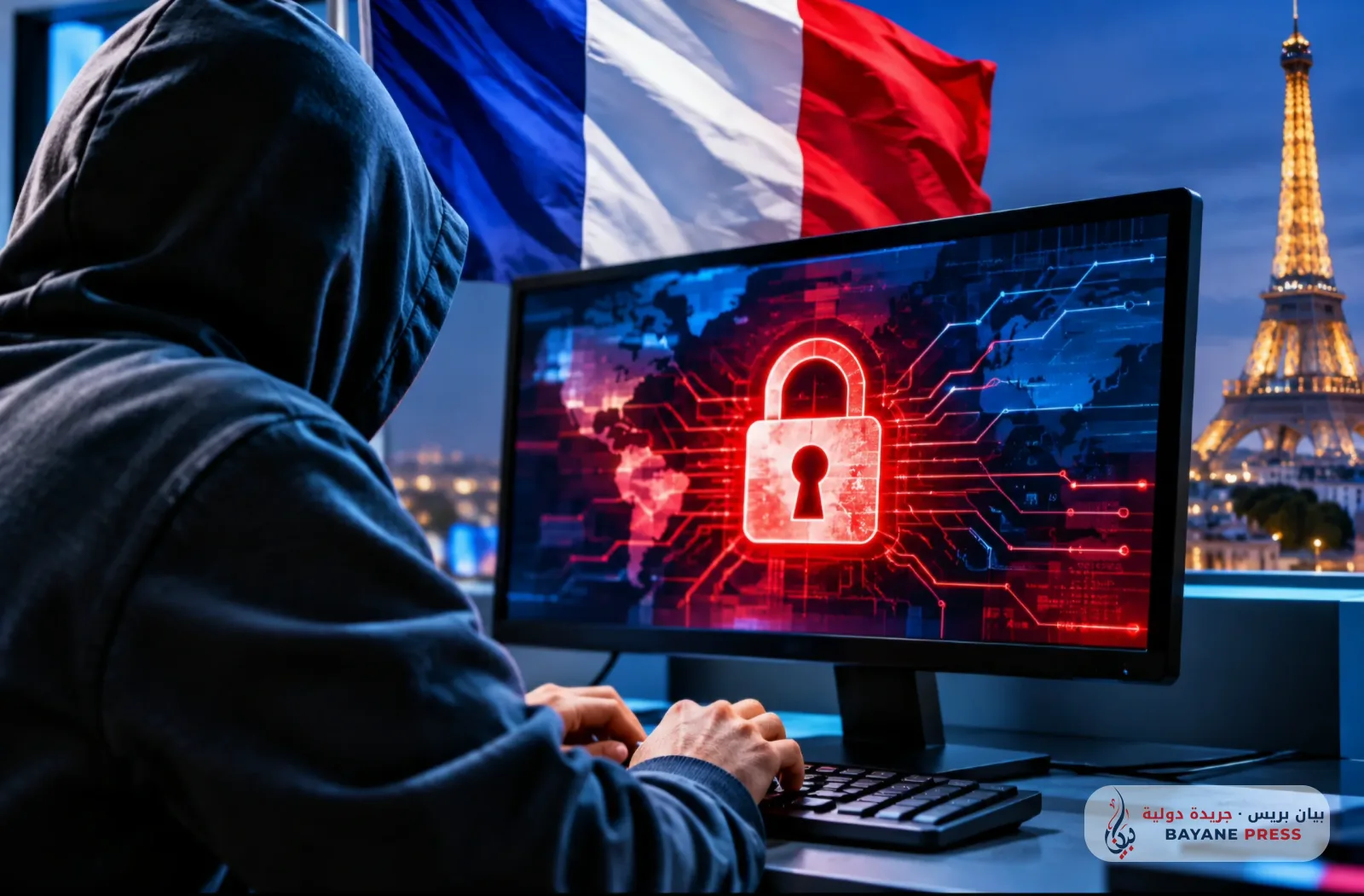
France is facing one of the largest personal data leaks in its history, after the French postal group "La Poste" confirmed that its subsidiary, "Maileva," was hit by a large-scale cyberattack, resulting in the leak of identification data belonging to approximately 22 million people. This incident has sparked growing concerns regarding personal information security and the ability of major institutions to protect the databases they manage on behalf of third parties.
The French group revealed, in an official statement published on Sunday, November 15, 2026, that the attack occurred in mid-September, targeting the information systems of "Maileva," a subsidiary of the "Docaposte" group, which specializes in processing and sending professional correspondence and documents on behalf of companies and institutions, including invoices, payslips, administrative notices, and registered mail.
The company explained that the data confirmed to have been leaked includes the first and last names and postal addresses of approximately 22 million people. These individuals are recipients of correspondence sent by institutions using the platform, and are not necessarily direct clients of the company. This figure represents nearly one-third of the French population, reflecting the exceptional scale of the breach and the breadth of the entities that may have been affected by its repercussions.
Available data indicates that the company detected unusual information activity on September 23, which prompted it to temporarily suspend its services and take measures to secure its systems. The group confirmed that the incident did not result in the deletion or alteration of data, though this does not diminish the seriousness of unauthorized parties gaining access to personal information that should remain protected.
The repercussions of the attack extended to institutions operating in various sectors, including social housing, health services, and medical laboratories, due to their reliance on the platform for managing their administrative correspondence. French press investigations have suggested the possibility that the contents of some messages, including notices related to medical expenses, may have been accessed illicitly—a distinction that must be made between these contents and the identification data that the company officially confirmed was leaked on a large scale.
Although the confirmed leaked data does not include the banking details of the affected individuals, cybersecurity experts warn of the potential for stolen names and addresses to be used in crafting convincing fraudulent messages or identity theft attempts, especially when attackers possess information that allows them to make fake correspondence appear as if it were issued by official institutions or companies the victims deal with.
The "La Poste" group announced that it had notified the French National Commission on Informatics and Liberty (CNIL), which is responsible for protecting personal data, and filed a complaint with judicial authorities. A judicial investigation has been opened and entrusted to specialized cybercrime units to determine the circumstances of the breach and those responsible.
The company also confirmed that it began notifying the affected institutions following the discovery of the incident, so that they could, in turn, inform the individuals concerned about the information that may have been exposed. These measures highlight the complexity of legal and regulatory responsibility in breach incidents affecting companies that provide digital services to other institutions, where the damage can extend to millions of individuals who have no direct relationship with the targeted company.
This incident brings the issue of cybersecurity back to the forefront in France, which has witnessed attacks in recent years targeting both public and private institutions, most notably the data breach affecting millions of registrants at "France Travail" in 2024, reflecting the scale of the challenges associated with storing and exchanging personal information across digital systems.
The danger of the "Maileva" incident lies not only in the massive number of affected individuals but also in the nature of the interconnectedness between institutions and digital service providers. A breach of a single entity with a centralized information infrastructure can have repercussions that extend to broad sectors of society. Between ongoing judicial investigations and announced technical measures, this incident raises a fundamental question about the ability of European companies and institutions to guarantee effective protection of personal data in the face of escalating electronic threats.




Comments (0)
No comments yet. Be the first to react!