

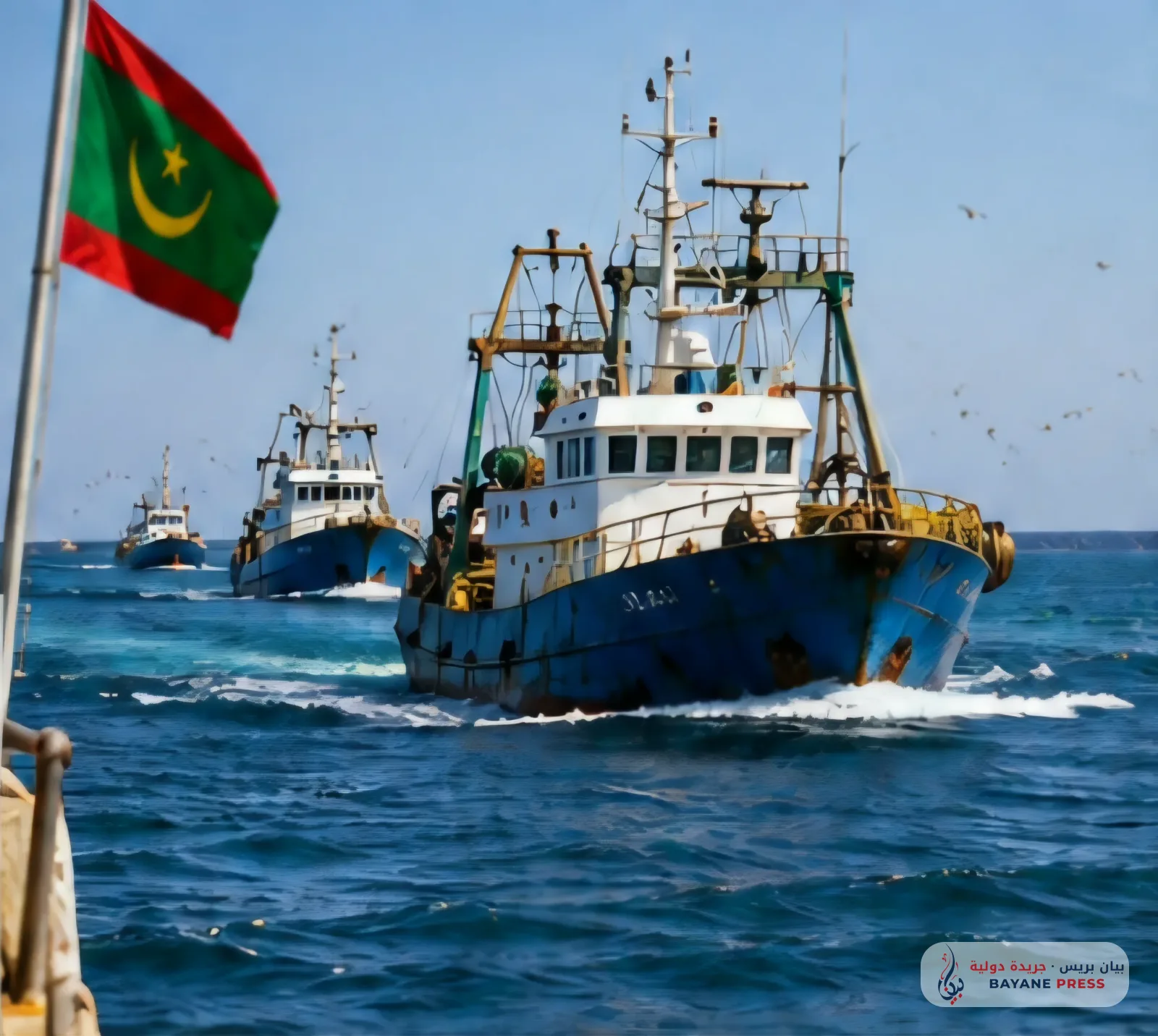
Economic relations between Mauritania and the European Union have entered a new phase of negotiation, following the Mauritanian authorities' decision to halt the activities of European fishing vessels within their waters and order them to complete departure procedures. This follows the expiration of the executive protocol governing the exploitation of fisheries between the two parties, a move reflecting Nouakchott's insistence on renegotiating the terms of access to its marine wealth to ensure economic returns more aligned with its national interests.
The Mauritanian Coast Guard command issued instructions on Saturday, November 14, 2026, requiring European vessels operating in the Mauritanian fishing zone to cease activities immediately upon the protocol's expiration at midnight. They were ordered to head to the port of Nouadhibou to complete the necessary administrative and maritime procedures to leave the Exclusive Economic Zone, with a warning that continued fishing without a valid legal license would expose violators to penalties stipulated under Mauritanian legislation.
This decision comes after the expiration of the protocol that entered into force on November 15, 2021, and lasted for five years until November 14, 2026, without reaching a new agreement to allow the continuation of European fishing activities. However, the expiration of the protocol does not mean the cancellation of the framework partnership agreement between Mauritania and the European Union, but rather the suspension of licenses and privileges associated with the expired executive text until new arrangements are adopted.
The economic importance of this file is highlighted by the scale of the interests involved. Previous arrangements allowed vessels from ten European countries, including Spain, France, Portugal, Germany, and the Netherlands, to exploit annual quotas reaching 280,050 tons of fish and marine products, including small pelagic fish, tuna, shrimp, and other species, in exchange for a total European financial contribution of 60.8 million euros annually, of which approximately 3.3 million euros are allocated to support the sustainable development of the Mauritanian fishing sector.
Through the ongoing negotiations, Nouakchott seeks to obtain better economic terms and strengthen the protection of its marine resources, given the growing importance of this sector to the national economy. The discussions do not concern financial returns alone, but extend to fishing opportunities granted to foreign fleets and the conditions for sustainable exploitation of fish stocks, in a way that achieves a balance between commercial interests and the protection of marine reserves.
Conversely, continued access to Mauritanian waters is of great importance to a number of European fishing fleets, especially as the agreement provides opportunities to exploit marine areas rich in fish resources off the Atlantic coast. European parties have intensified their diplomatic contacts in an attempt to avoid a halt in activity, but the expiration of the legal deadline without a new agreement made the suspension of fishing a direct result of the expiry of previous licenses.
These developments reveal a shift in the nature of negotiations between Nouakchott and Brussels, as the issue is no longer just about extending existing trade arrangements, but about redefining the economic consideration and the conditions for exploiting a strategic resource that represents one of the most prominent sources of income and job opportunities in Mauritania.
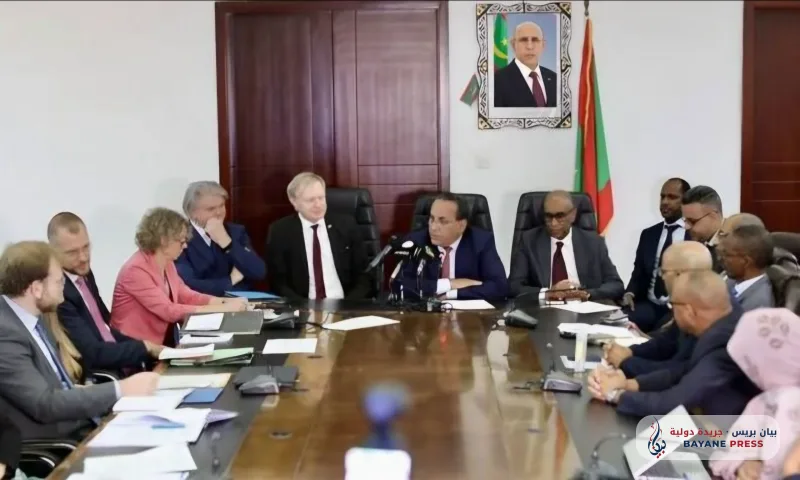
Despite the cessation of European vessel activities under the expired protocol, contacts between the two parties are still ongoing in search of a settlement that would allow for the resumption of cooperation under new conditions. Between the European Union's need to maintain fishing opportunities and Mauritania's pursuit of improved returns and the protection of its marine wealth, the results of the upcoming negotiations remain decisive in determining the future of one of the most important fisheries partnerships between Europe and West Africa.
Comments (0)
No comments yet. Be the first to react!