


The UAE capital, Abu Dhabi, witnessed on Wednesday, November 11, 2026, the launch of a new strategic partnership between the Federal Government and the Executive Council of the Emirate of Ras Al Khaimah. The initiative aims to expand institutional cooperation, develop government management methods, and improve the quality of services provided to citizens and residents, reflecting the nation's commitment to enhancing integration across all levels of government work.
The partnership was announced during the 2026 Annual Meetings of the UAE Government, in the presence of Sheikh Mohammed bin Saud bin Saqr Al Qasimi, Crown Prince of Ras Al Khaimah and Chairman of the Executive Council, and Mohammad Abdullah Al Gergawi, Minister of Cabinet Affairs, alongside several government officials.
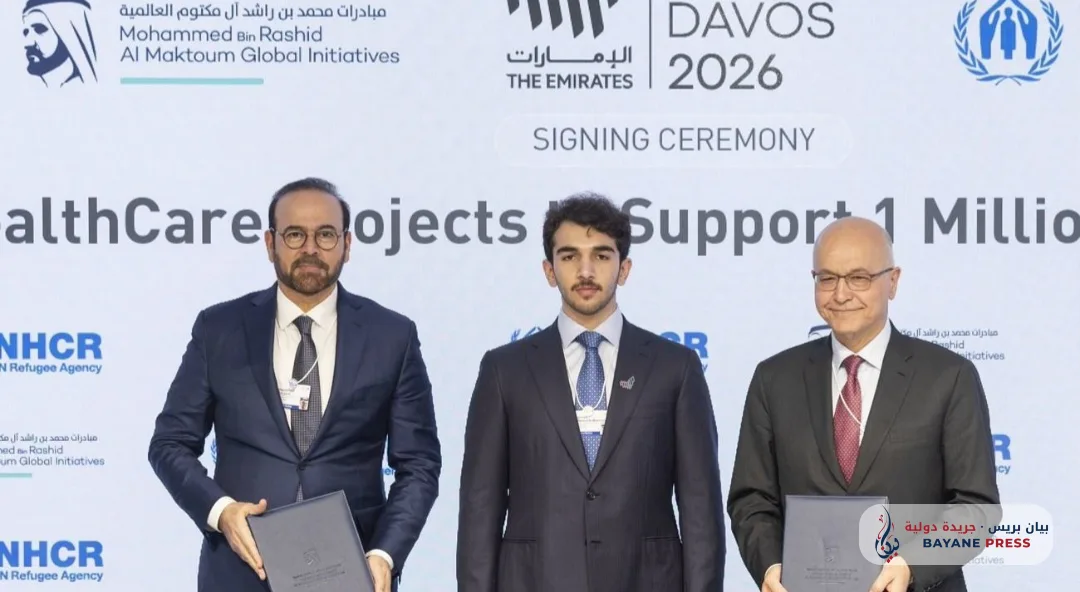
The memorandum of understanding was signed by Mohamed bin Taliah, Head of Government Services at the UAE Government, and Khalid Rashid Zahro Al Shehhi, Secretary-General of the Executive Council of Ras Al Khaimah, as part of efforts to broaden cooperation and exchange experiences and expertise between government institutions.
The agreement focuses on leveraging best practices in institutional excellence and administrative development, enhancing the efficiency of government operations, simplifying procedures, and accelerating transaction completion. It also supports initiatives aimed at improving institutional performance and enhancing the customer experience with public services.
This step holds particular significance amidst the rapid transformations within the UAE government sector, where service development, the adoption of digital solutions, and increased productivity have become fundamental pillars for strengthening competitiveness and achieving higher levels of efficiency and agility.
The partnership also reflects the Federal Government's commitment to expanding the transfer of knowledge and successful experiences to local governments, enabling the utilization of advanced institutional models and the development of frameworks tailored to evolving economic and social needs.
The memorandum of understanding is expected to pave the way for joint programs and initiatives to develop human capital, modernize work mechanisms, and exchange administrative solutions, while strengthening coordination between relevant entities to ensure alignment of efforts and the achievement of set goals.
This initiative underscores that improving government performance is no longer limited to updating procedures and administrative structures; it is now linked to building an integrated system capable of innovation and rapid response to changes. The actual results of the partnership will depend on the implementation of its programs and the translation of its objectives into tangible improvements in service quality and institutional efficiency.

Comments (0)
No comments yet. Be the first to react!