

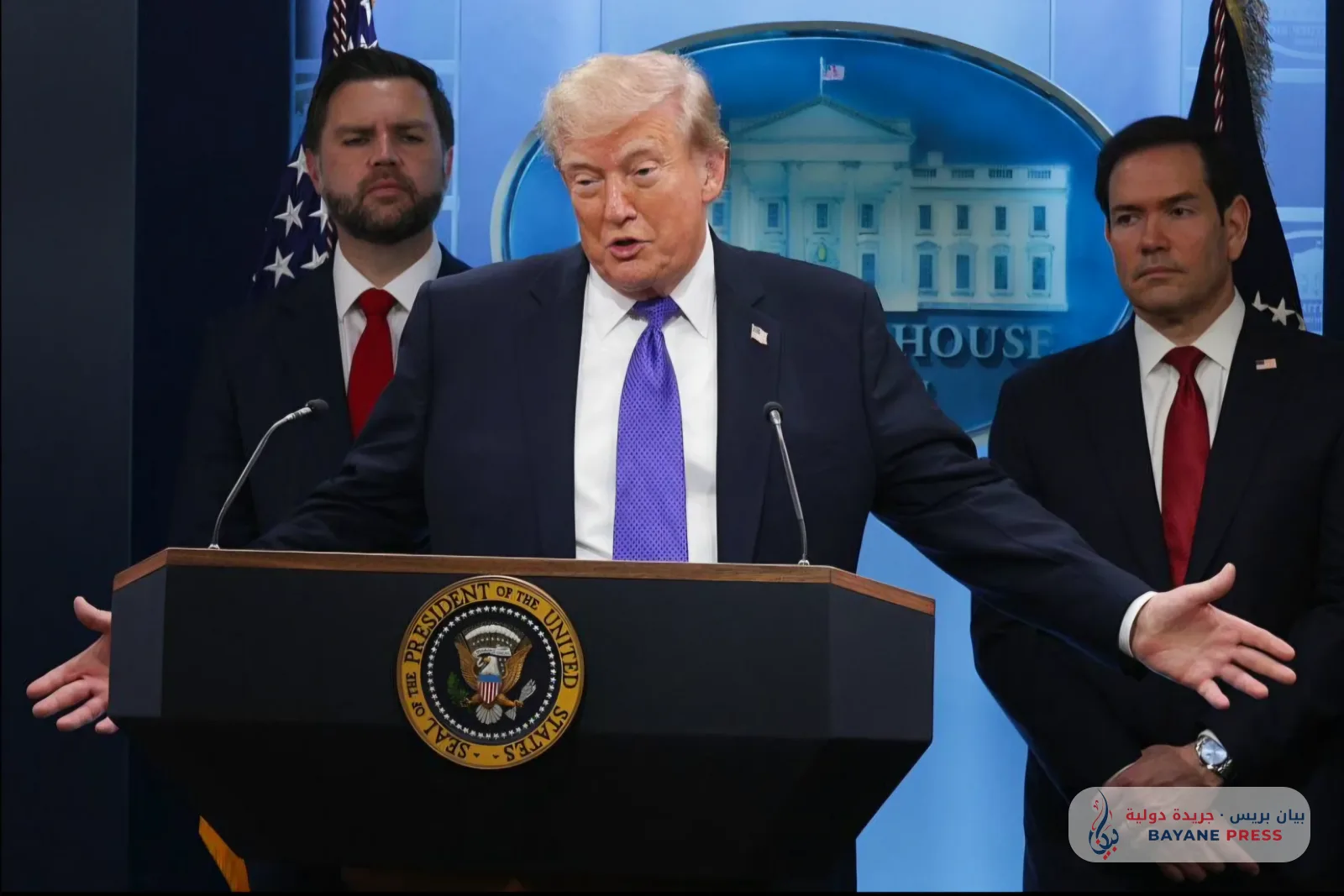
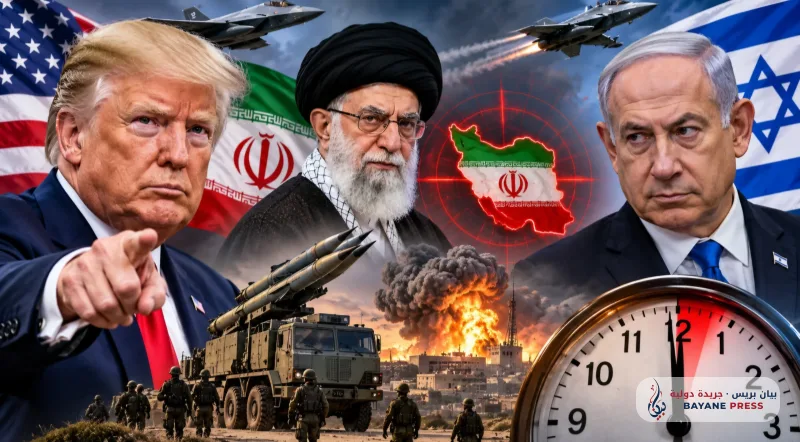
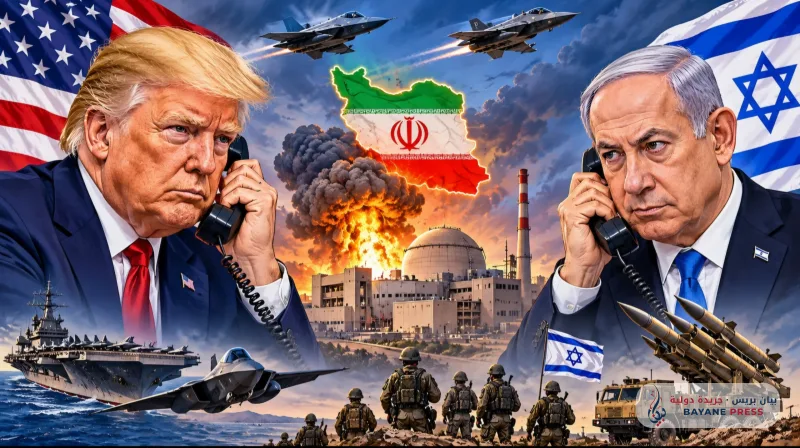
The prospects of a large-scale military confrontation between the United States and Iran have returned to the forefront of the international scene, after US President Donald Trump hinted at the possibility of resuming military operations after the start of the new year, should diplomatic efforts to reach an agreement with Tehran fail, amid increasing Israeli pressure and rising fears of a new explosion that could extend to the Gulf region.
Media reports on Monday, November 23, quoted Trump as expressing his inclination to resume war after New Year's if a settlement cannot be reached, at a time when the Associated Press revealed pressure being exerted by Israeli Prime Minister Benjamin Netanyahu to push Washington toward renewing military strikes or allowing Israel to target Iranian nuclear facilities and missile capabilities.
These developments come in light of deep disagreements over the Iranian nuclear program and the conditions for lifting US sanctions, as Washington insists on the necessity of reaching an agreement that ensures Tehran does not possess a nuclear weapon, while Iran demands political and economic guarantees before making further concessions.
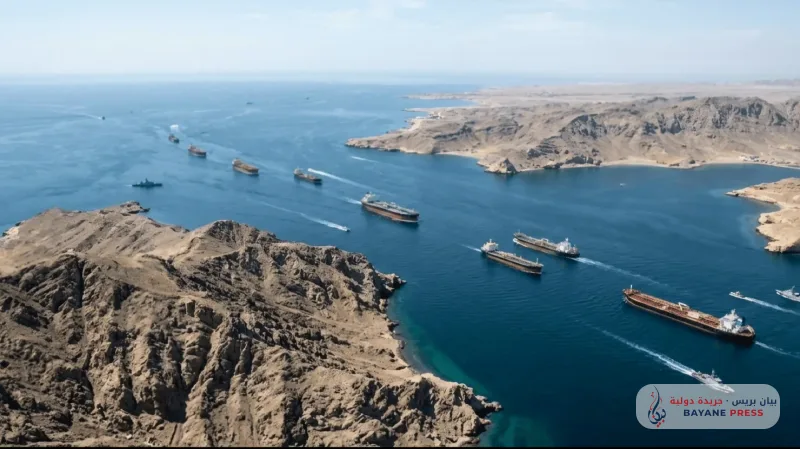
The situation in the Strait of Hormuz further complicates the crisis, as the strategic maritime corridor has witnessed security incidents involving commercial vessels and oil tankers, amid the ongoing US blockade on Iranian ports and tensions related to international shipping.
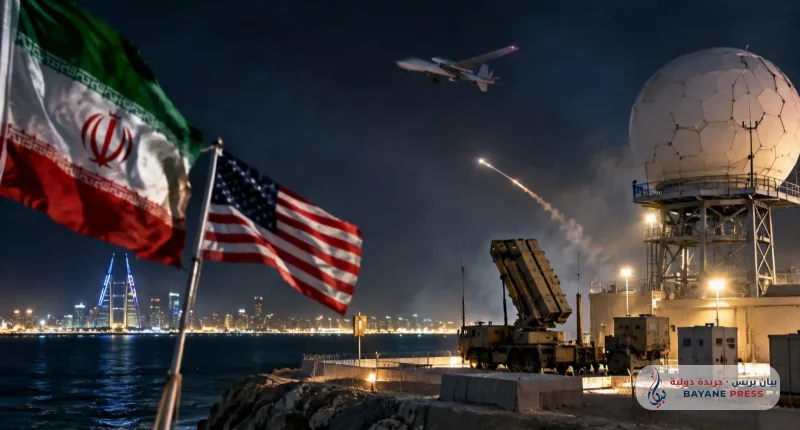
Gulf states are monitoring these developments with caution, especially as the resumption of confrontation could expose oil facilities and critical infrastructure to new attacks, and subject energy markets to severe disruptions.
Despite the heightened rhetoric, a return to war is not a foregone conclusion, as regional mediation and diplomatic contacts remain ongoing. However, the persistence of military threats places the region in a highly sensitive phase, where calculations of security, energy, and regional influence intersect.
Comments (0)
No comments yet. Be the first to react!