

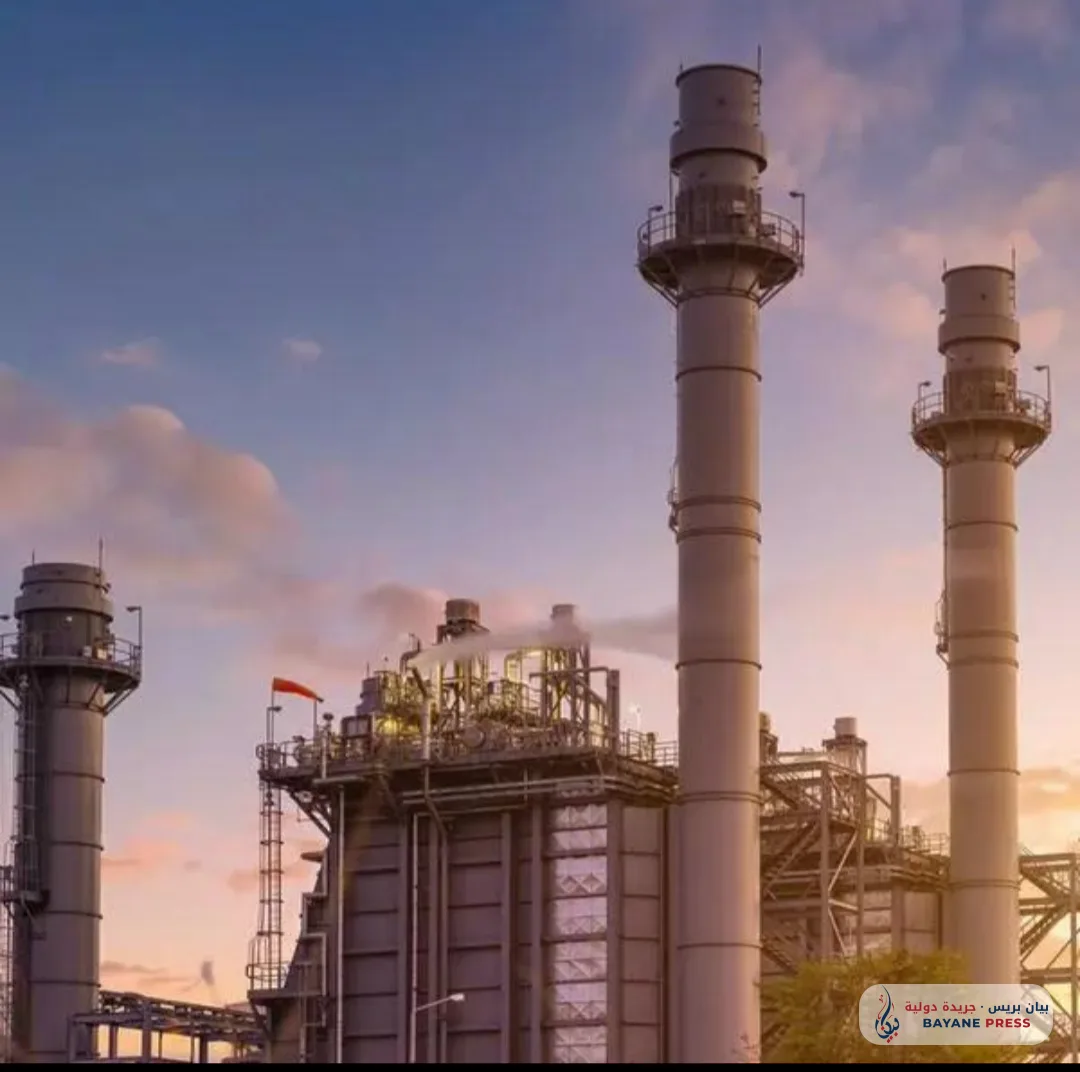
Abu Dhabi National Energy Company (TAQA) and its partners have announced the financial closing of the Taweelah C independent power project, valued at 7.76 billion dirhams, in a move aimed at strengthening energy security and meeting the growing demand for electricity, driven by population growth, urban and industrial expansion, and the needs of data centers and artificial intelligence.
The announcement was made on Monday, November 23, 2026, with the participation of the Emirates Water and Electricity Company (EWEC) and an international consortium including Saudi Arabia’s Aljomaih Energy and Water and Singapore’s Sembcorp Industries.
The plant's projected production capacity is 2.6 gigawatts, and it will utilize high-efficiency combined-cycle gas turbine technology, with a design that allows for the future addition of carbon capture technologies, without implying that these systems will be operational upon the plant's opening.
The project's financing relies primarily on loans provided by local and international financial institutions, including First Abu Dhabi Bank (FAB), HSBC, DBS Bank, the Industrial and Commercial Bank of China (ICBC), and other European and Asian banking institutions.
Abu Dhabi Islamic Bank (ADIB) and Dubai Islamic Bank (DIB) also participated, alongside the financing institutions, in coordinating and arranging the deal.
TAQA holds a 60 percent stake in the project company, compared to 40 percent for the international consortium, while the ownership of the operation and maintenance company is distributed as 40 percent for TAQA and 60 percent for the international partners.
The engineering, procurement, and construction (EPC) contract was awarded to Energy China, while EWEC will purchase the entire net output of the plant in accordance with the previously signed power purchase agreement.
The plant is part of Abu Dhabi's plan to develop an electrical system that combines renewable sources with flexible generation plants, as EWEC aims to increase solar photovoltaic capacity to 15.5 gigawatts by 2030, and exceed 35 gigawatts by 2035.
Combining solar energy with high-efficiency gas plants helps achieve a balance between production and consumption, especially given the varying rates of electricity generation from renewable sources throughout the day.
Initial works for the project have already begun, with commercial operations scheduled to start in 2029, according to the announced timeline, while providing opportunities to train Emirati talent in technical and operational fields.
The project reflects a trend toward enhancing the stability of the electrical grid and meeting future needs, in parallel with the expansion of lower-emission energy sources.

Comments (0)
No comments yet. Be the first to react!