

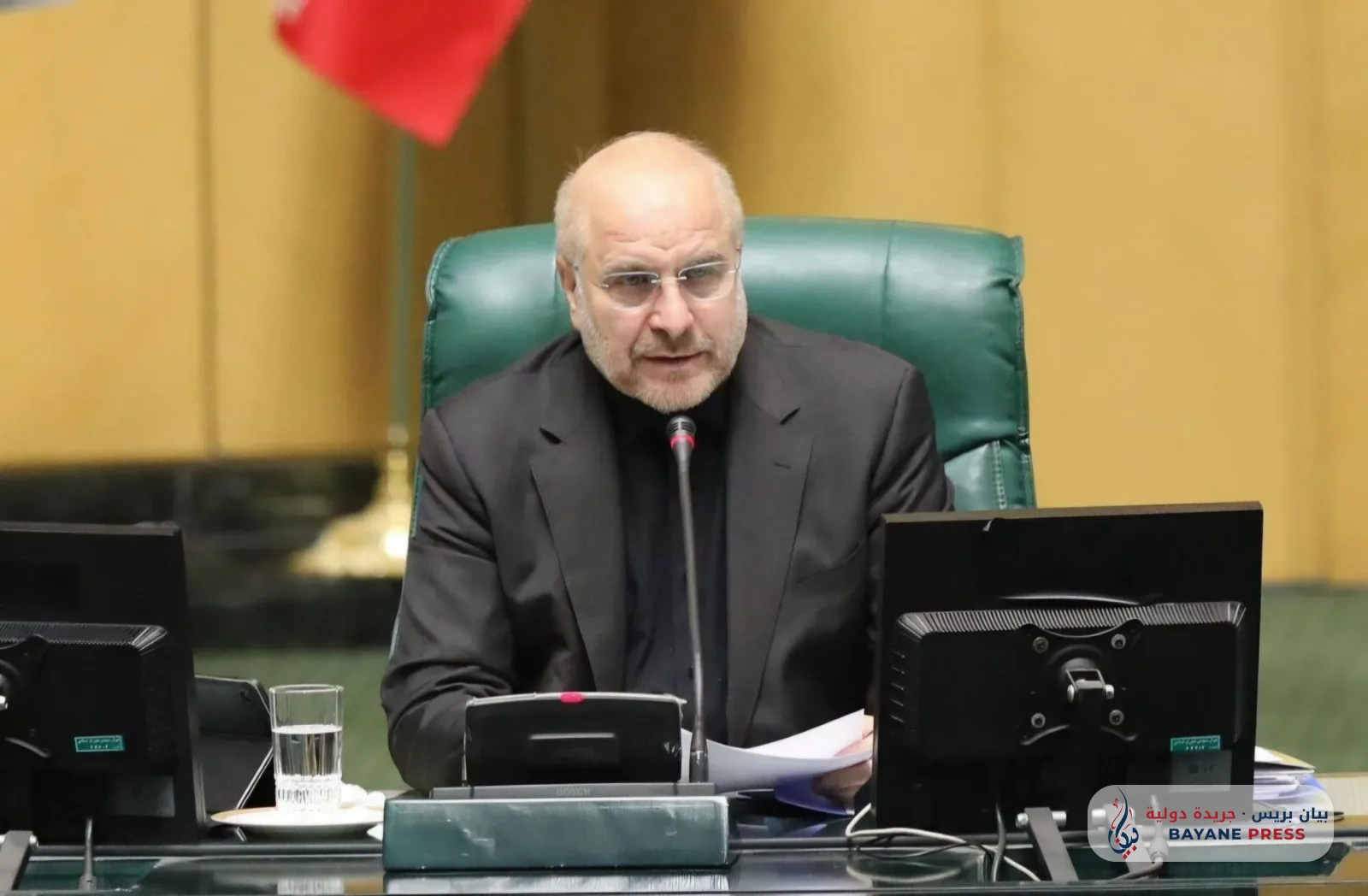
Iran has reiterated its refusal to resume negotiations with the United States of America before its seven conditions are met, a stance announced by the Speaker of Parliament and chief Iranian negotiator, Mohammad Bagher Ghalibaf, on Tuesday, November 24, 2026, warning of the expansion of the military confrontation should Washington proceed with a new escalation.
During a session of the Iranian parliament, Ghalibaf stressed that his country will not back down from its demands, considering that American threats and tightened economic pressures will not push Tehran to make concessions, while emphasizing its readiness to respond to any military move targeting it.
Although the full details of the seven conditions have not been officially disclosed, the declared Iranian demands include ending the naval blockade imposed on Iranian ports, releasing frozen financial assets abroad, and halting military operations.
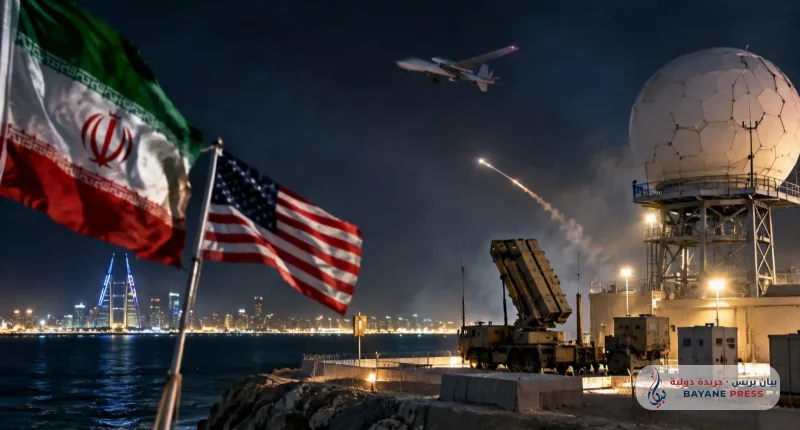
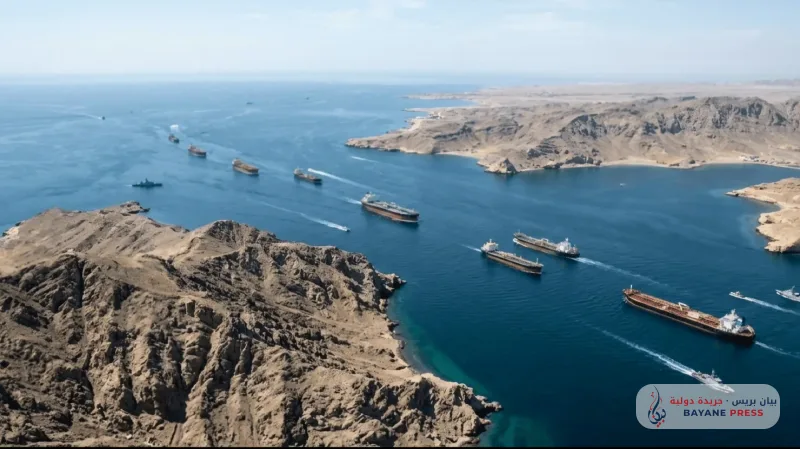
In a parallel development, the Commander-in-Chief of the Iranian Army, Amir Hatami, issued instructions to tighten restrictions on navigation in the Strait of Hormuz until Tehran's demands are met, warning that any new military confrontation could exceed the geographical scope of the current conflict.
Additionally, the Iranian Islamic Revolutionary Guard Corps (IRGC) announced on Monday evening that three oil tankers suffered explosions and fires after colliding with naval mines in the Strait of Hormuz; however, the Joint Maritime Information Center confirmed that this account has not been independently verified.
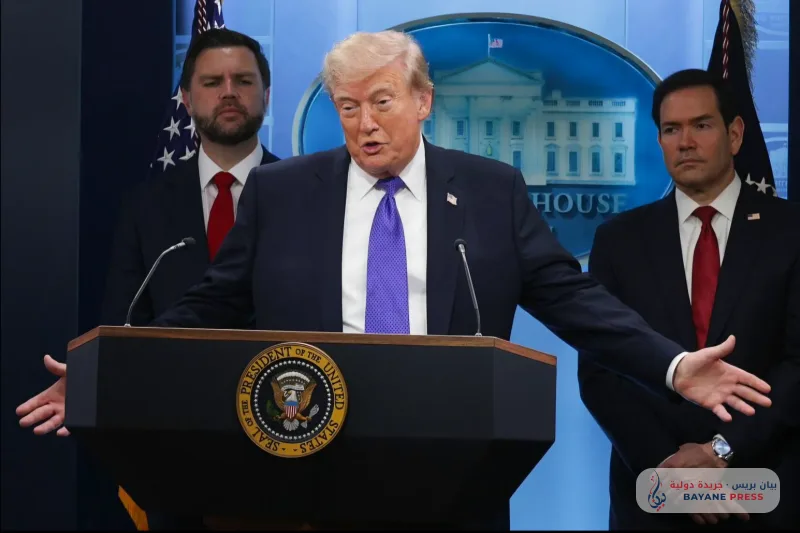
On the diplomatic front, Qatar has intensified its mediation efforts, as Qatari Prime Minister and Minister of Foreign Affairs Sheikh Mohammed bin Abdulrahman Al Thani held talks in Washington with US Secretary of State Marco Rubio and Vice President JD Vance, aimed at creating conditions for the resumption of negotiations and avoiding a new military escalation.
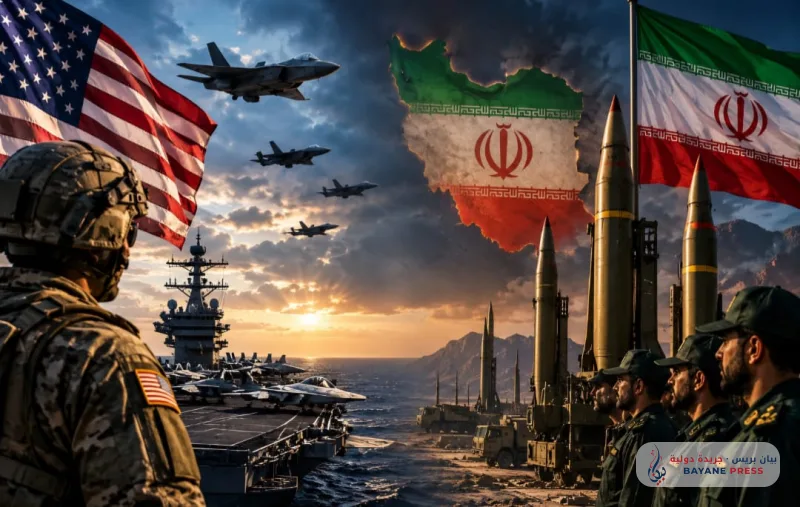
The Qatari moves come following hints by US President Donald Trump regarding the possibility of resuming military strikes against Iran after the New Year, heightening anticipation surrounding the future of the confrontation.
The persistence of the dispute over negotiation conditions and navigation security in the Strait of Hormuz puts mediation efforts to a difficult test, given the strategic importance of this maritime passage and the impact of disruptions to its navigation on energy supplies and global markets.
Comments (0)
No comments yet. Be the first to react!