

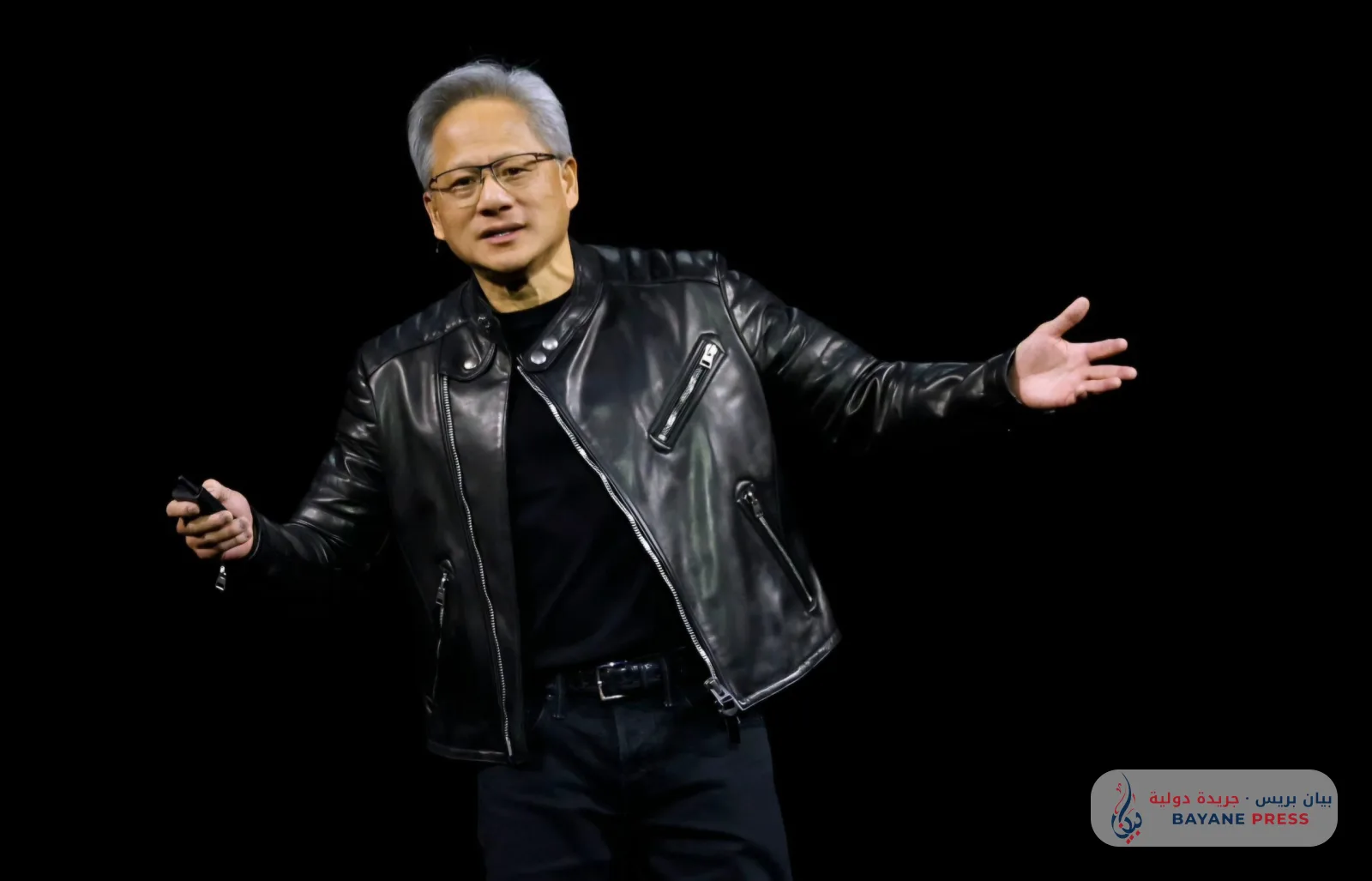
US President Donald Trump's intervention to reinstate Jensen Huang as head of semiconductor and AI giant Nvidia has sparked criticism in Germany and the United States, amid growing questions over the limits of political interference in major corporate decisions and its implications for national security.
During a meeting held in Berlin on Tuesday, November 24, 2026, German Foreign Minister Johann Wadephul expressed shock at the US President's direct interference in the company's board decision, considering this move an unprecedented precedent in the relationship between political power and economic institutions.
Nvidia's board of directors announced on Monday the reinstatement of Huang as Chairman, CEO, and board member, less than two weeks after he announced his resignation following the disclosure of personal ties that raised security concerns, including his relationship with a Chinese businesswoman suspected of ties to Chinese intelligence.
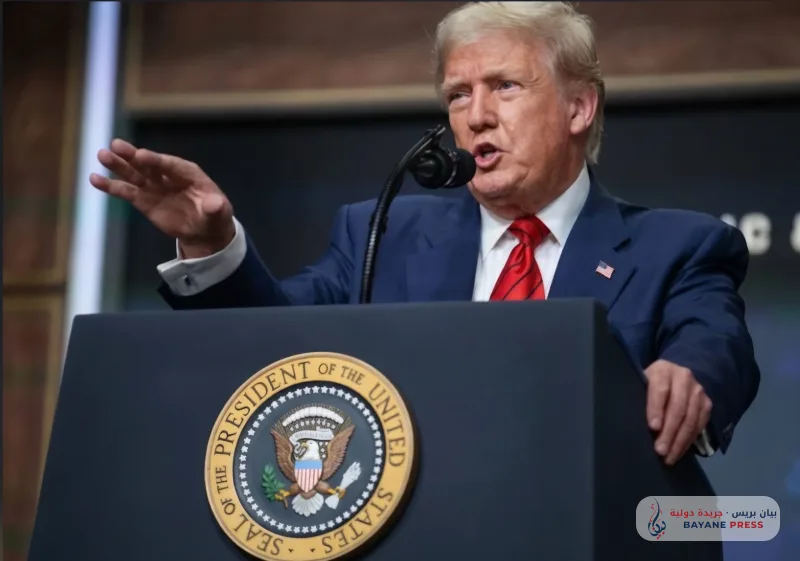
The decision came after direct intervention by Trump, who confirmed he had contacted the company's board of directors to persuade them to reinstate Huang, noting that his continued leadership of the group is, in his estimation, vital to the US economy and America's standing in the global AI race.
The US President explained that federal authorities do not possess, according to what the Attorney General informed him, evidence proving that Huang committed illegal acts, while simultaneously calling for the continuation of the internal investigation regarding the company's compliance with restrictions imposed on exporting advanced microchips to China.
In Congress, Huang's return drew objections from lawmakers of both the Republican and Democratic parties, who demanded transparency regarding the nature of the communications between the US administration and Nvidia's board, and to verify potential risks related to the protection of sensitive technology.
Huang is scheduled to appear before three House committees in a closed session on December 1st, and will face a public hearing before the Senate Banking Committee on the 3rd of the same month.
The case holds strategic importance given Nvidia's pivotal position in the advanced processor industry used in AI development, especially amid intensifying technological competition between Washington and Beijing.
Investigations concerning the company's compliance with US technology export regulations are still ongoing, with no final conclusions issued proving Huang's personal involvement in espionage activities or criminal violations.


Comments (0)
No comments yet. Be the first to react!