

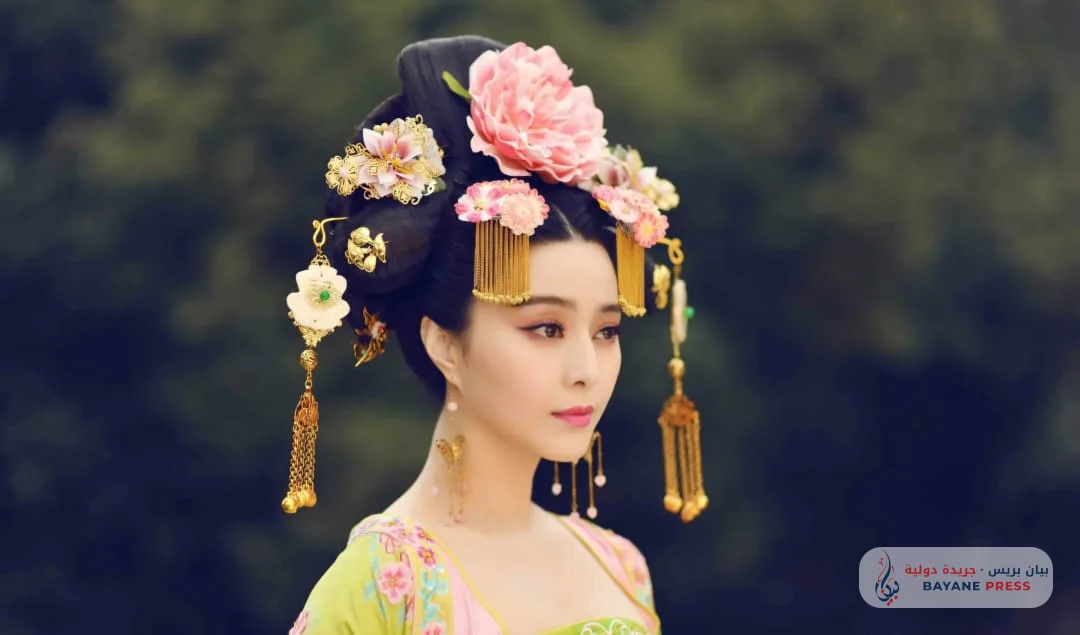
The roots of the concept of women's beauty in Chinese civilization run deep into traditional philosophy and culture. Beauty was never viewed merely as external appearance or fleeting adornment; rather, it was closely intertwined with virtue, wisdom, and spiritual and intellectual equilibrium, based on an integrated duality known as "De and Cai" (Virtue and Talent), where noble ethics and cultural talent form the essence of a woman's true presence. This beauty derived its cosmic roots from the balance between the polarities of "Yin and Yang," rejecting any notion of weakness in feminine tenderness and making inner serenity and deep intuition a driving force capable of managing the family and society with silent yet profound wisdom.
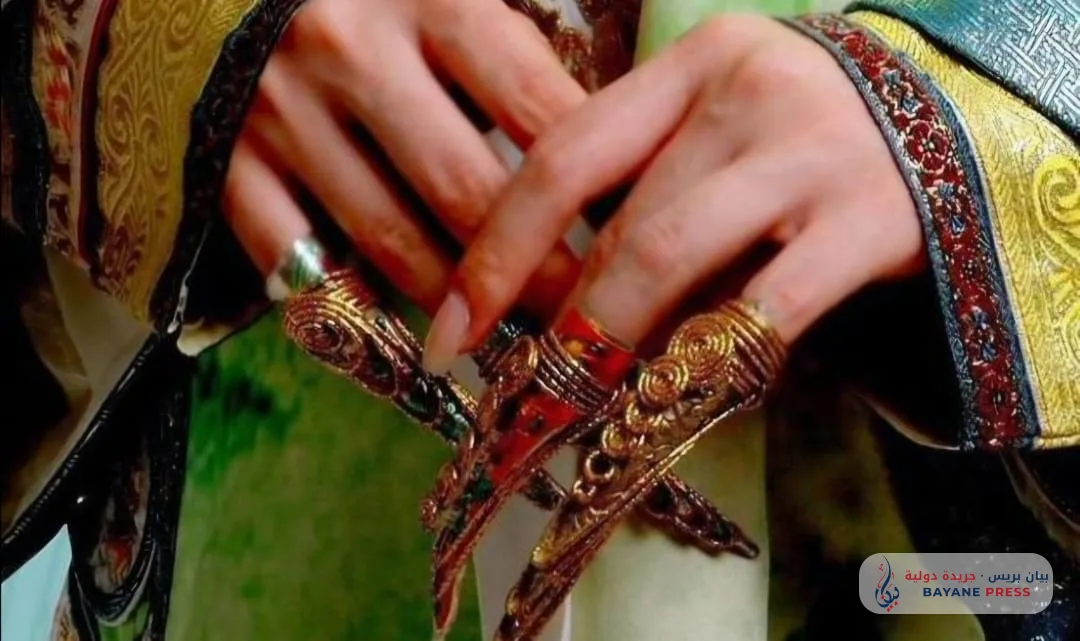
Throughout its long history, this ancient civilization has produced the archetype of the "Cultivated and Creative Woman" (Cai Nü), women who influenced public and private life through their mastery of the Four Arts known as "Si Yi": playing the "Guqin" zither to refine the soul, the strategic game of "Weiqi" to enhance mental balance, alongside Chinese calligraphy and landscape painting, which reflect purity of conscience and clarity of mind. This living spirit is vividly embodied in the biographies of immortal historical figures such as Ban Zhao, the first female historian and imperial advisor, and the great poet Li Qingzhao, who pushed the concept of feminine literary art to the pinnacle of renewal and intellectual depth. All of this was coupled with the philosophy of pure "jade," which harmoniously combines a soft touch with a solid structure, much like a woman who unites gentleness of emotion with the fortification of principle.
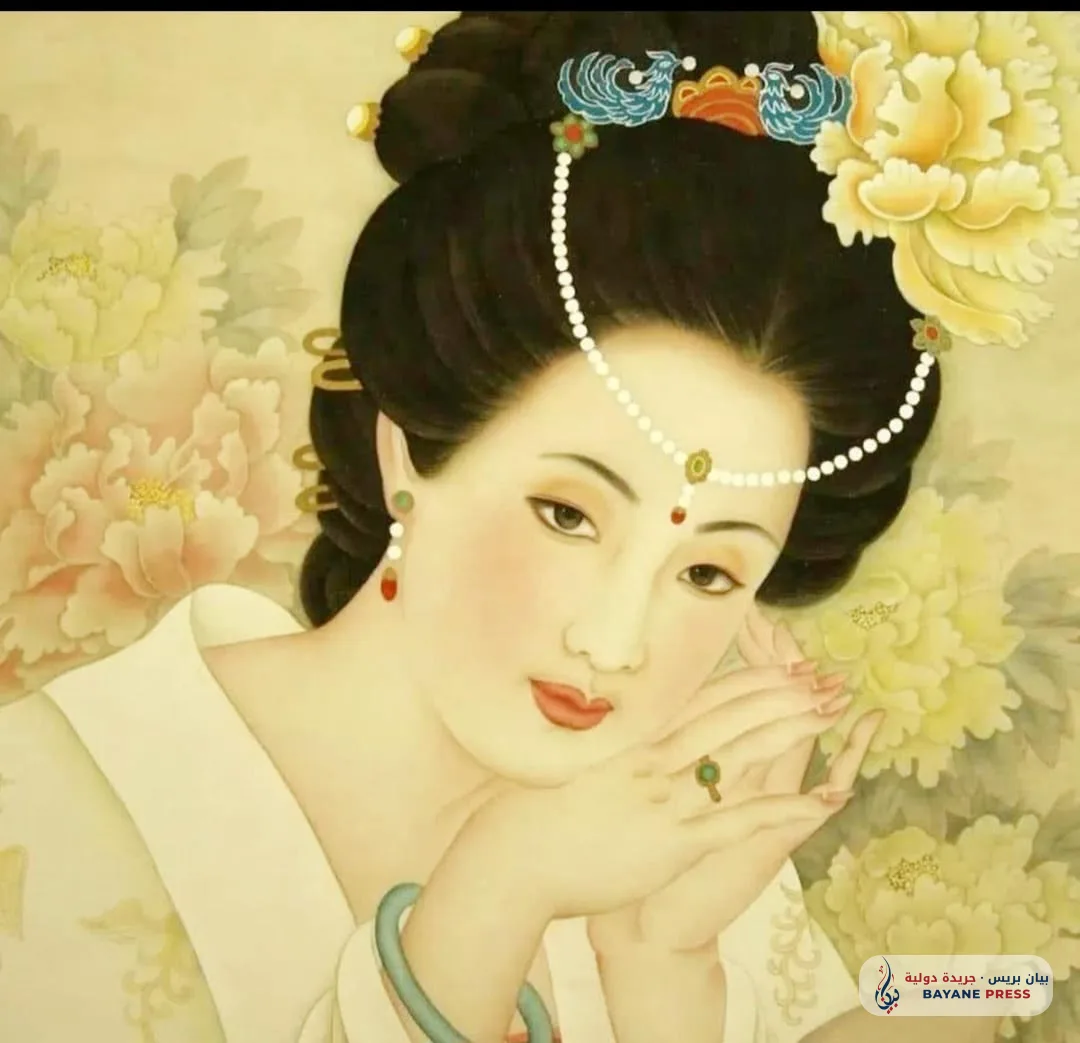
Connected to this ancient philosophy are deep historical and mythological narratives that further illuminate the scene, such as the tale of the "Mother of Mencius," who embodied through her wisdom and educational stances the highest meaning of intellectual and moral nurture that shapes the great figures of history. The wise mother was not merely an educator, but the primary guardian of virtue and the compass guiding the energies of generations toward the pursuit of knowledge and justice. Alongside this, the narrative of "silk-making" holds a central place in the traditional Chinese consciousness; it was not just a manual craft restricted to women, but was symbolized as a spiritual and cultural act paralleled by the man's dedication to tilling the land. By producing soft silk threads, women formed a fundamental pillar of social and aesthetic stability, where the clarity and softness of silk equate to purity of heart and transparency of the soul. Furthermore, classical anthologies like the "Book of Songs" (Shijing) abound with eloquent portrayals of women who combined elegant attire with sound judgment, taking nature as a mirror for their morals, ensuring that womanhood in the historical Chinese narrative remains a living energy that harmonizes with the cosmos and crafts the balance of life through her tranquil presence.
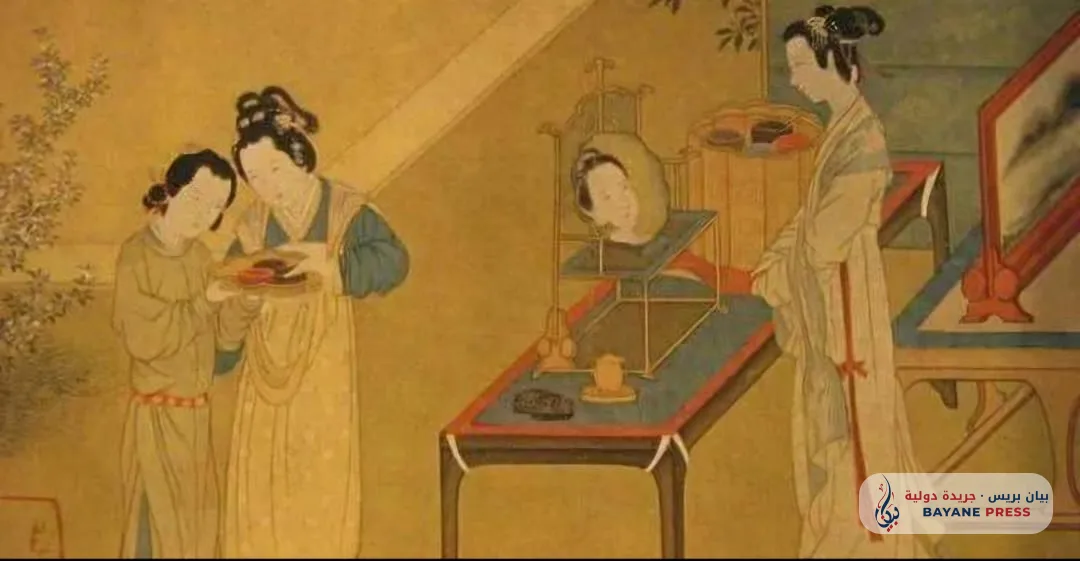
A woman's silence and the quietness of her presence reflected a psychological depth drawing its energy from the concepts of Taoist harmony, mirroring in her flexibility and refinement the bamboo plant that bends before storms yet never breaks, and the plum blossom that shines with resilience and beauty amidst the harshness of winter. This beauty was also embodied in the capacity for sound management and emotional balance, akin to the purity of meticulously polished Chinese porcelain. Thus, in the consciousness of human heritage, Chinese women have remained a symbol of gentleness coupled with strength, and beauty nourished by knowledge and ethics, making their presence an eternal canvas of nobility and enduring clarity across time.
Comments (0)
No comments yet. Be the first to react!