

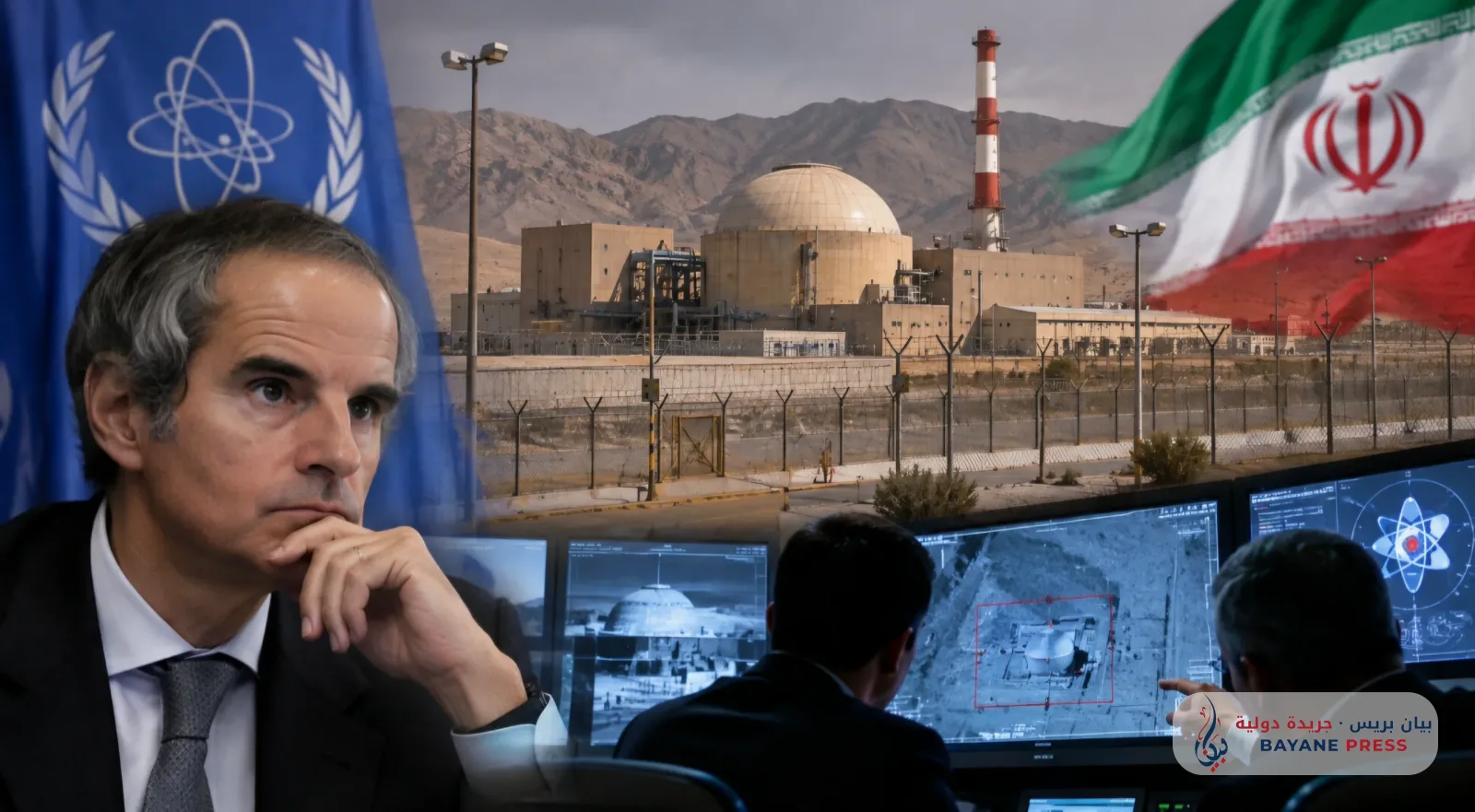
The International Atomic Energy Agency (IAEA) has expressed growing concern regarding an Iranian uranium enrichment facility in Isfahan, confirming it remains unable to verify its exact location, operational status, or potential nuclear material content, more than a year after Tehran announced its existence.
A confidential report by the agency, reviewed by Reuters today, Friday, November 13, 2026, revealed that Iranian authorities have not permitted international inspectors to visit the Isfahan Fuel Enrichment Plant, known as IFEP, since the agency was notified of it on June 12, 2025.
The information in the report clarified that the agency lacks sufficient data to verify the facility's design, detailed location, or whether it contains nuclear materials subject to international safeguards.
The agency had intended to inspect the facility on June 13, 2025, but the outbreak of military confrontation, which saw Israeli and American strikes targeting Iranian nuclear facilities, prevented the visit from taking place.
Diplomatic estimates suggest the facility may be located within a tunnel network in the Isfahan region; however, the agency has been unable to independently confirm this information, which complicates the assessment of the Iranian nuclear program's status following the military strikes.
Furthermore, the continued inability of inspectors to access several damaged facilities prevents a complete picture of the equipment and nuclear materials present, and the extent to which they were affected by military operations.
This situation raises a significant oversight issue regarding the agency's ability to verify Iran's compliance with the nuclear safeguards agreement, especially amid ongoing disputes over uranium enrichment levels and the fate of stockpiles that existed prior to the attacks.
The agency's estimates had indicated that Iran possessed approximately 440.9 kilograms of uranium enriched to 60 percent before the June 2025 strikes—a level technically close to that used in nuclear weapons, though it does not in itself signify the possession of a nuclear weapon.
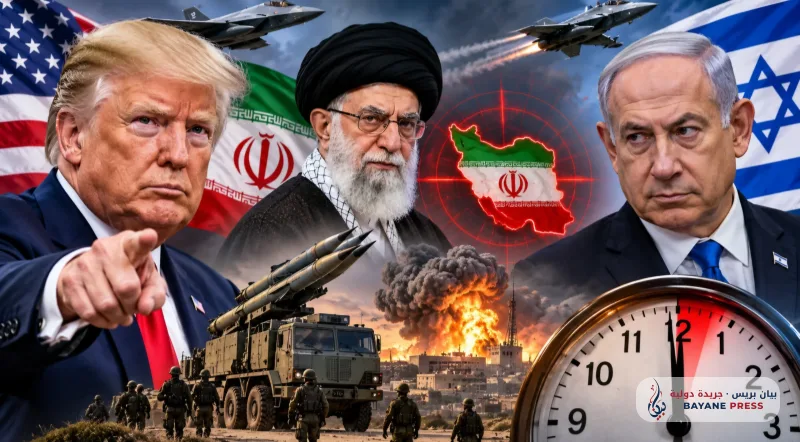
The new report comes in the context of escalating military and diplomatic tensions between Tehran and Washington, amidst continued disagreement over the terms of international inspection and the future of sanctions and guarantees related to the Iranian nuclear program.
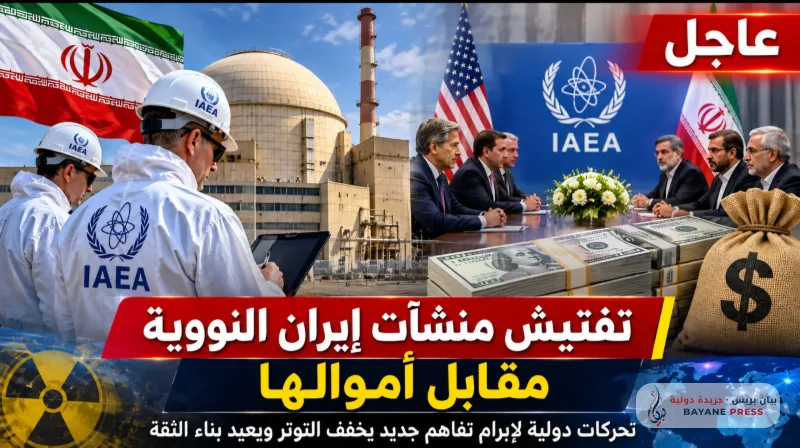
Determining the reality of activities within the Isfahan facility remains contingent upon granting access to inspectors and providing the required technical information, as the agency's inability to verify does not in itself constitute definitive proof of nuclear weapon production, but it limits its ability to provide independent assurances regarding the nature of the activities and materials inside the facility.
Comments (0)
No comments yet. Be the first to react!