

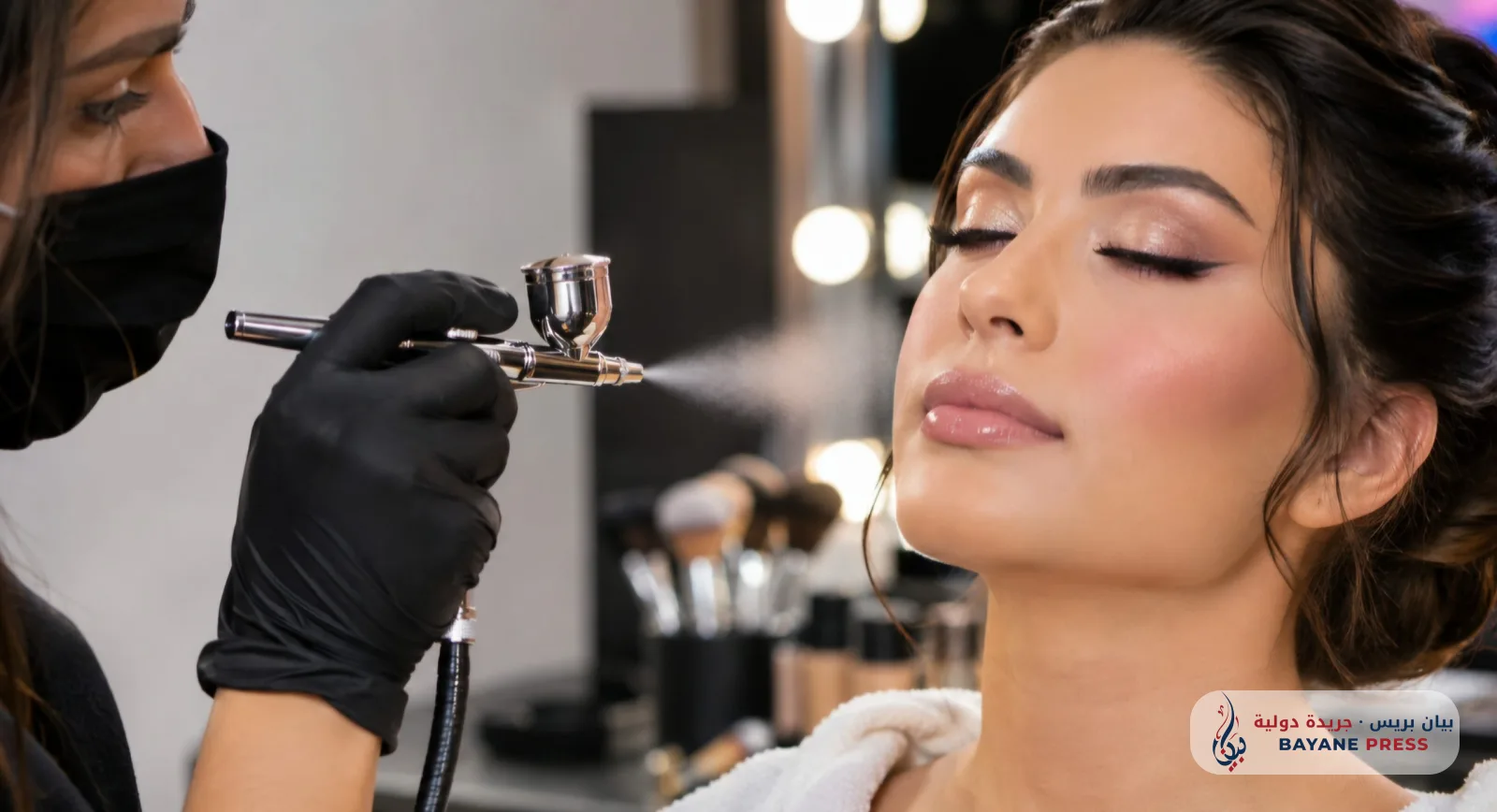
Airbrush techniques have entered the world of beauty to provide a different method for applying facial products, moving away from a total reliance on traditional brushes and sponges. Known as Airbrush Makeup, this method relies on a device that propels liquid cosmetic products as a fine mist that spreads across the skin's surface.
The system typically consists of an air compressor, an airbrush tool, and a small reservoir containing the product. The amount of product flow can be controlled depending on the device and the method of use. This technique allows for the application of thin, graduated layers of color, which helps achieve a seamless look when used correctly.
Products specifically designed for airbrushing are available in various formulations, some water-based and others containing silicones or other ingredients to improve longevity and texture. One should not assume that all airbrush products share the same properties or suitability for the skin.
This technique is used in photo shoots, events, and fashion shows, as it allows for the even distribution of color over large areas, with the ability to increase coverage in specific zones without applying thick layers all at once.
However, the result depends on the skill of the person using the device; spraying from an inappropriate distance or using an excessive amount of product may lead to spots, clumping, or uneven coverage. Furthermore, misdirecting the mist may cause it to reach areas where it is not intended to be applied.
One of the most important aspects deserving attention is respiratory safety, as the fine mist can disperse into the air during use, increasing the risk of inhaling some of its components. Therefore, one should work in a well-ventilated area, protect the eyes, avoid directing the spray toward the nose and mouth, and take appropriate precautions based on the nature of the product and the device.
These precautions are increasingly important for individuals with respiratory conditions or sensitivities to certain ingredients, and no product should be used with an airbrush if it is not designed for that purpose.
Care is not limited to the skin but also includes the device itself; the product reservoir and airbrush tool must be cleaned according to the manufacturer's instructions to prevent residue buildup, contamination, and nozzle clogging.
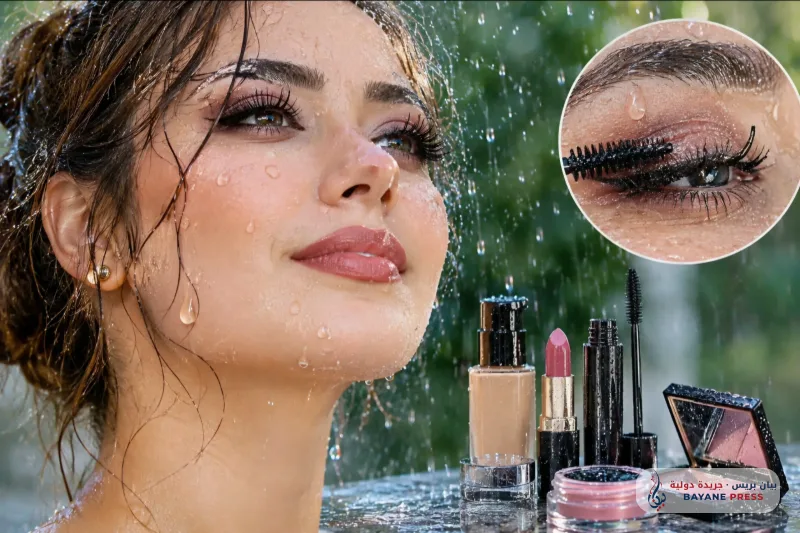
A common misconception is that airbrush makeup is absolutely more durable or always waterproof, as these properties depend on the product's formulation, the setting method, and the conditions of use.
Furthermore, airbrushing is not a necessary replacement for brushes and sponges, as professional results can be achieved using traditional tools when mastering blending and distribution techniques.
The primary value of this technique remains its ability to offer a precise and graduated style for makeup application, provided that high-quality products, skilled usage, and adherence to safety procedures are combined.
Comments (0)
No comments yet. Be the first to react!