

Transformations within the Moroccan defense system are accelerating as the Kingdom moves to reshape its relationship with the military industry. This involves a gradual transition from relying on imported defense equipment to building a national industrial and technological base capable of meeting a significant portion of the Royal Armed Forces' and security agencies' needs, while competing in international markets in the future.
Within twenty-four hours, Rabat witnessed three notable developments: the signing of two framework agreements to finance the national defense and security industry, the holding of the fourth meeting of the Moroccan-Israeli Joint Military Commission, and the reception of a prominent member of the U.S. Congress—moves reflecting the synchronization of building local industrial capabilities with the strengthening of external defense partnerships.
In this context, the Minister Delegate to the Head of Government in charge of the National Defense Administration, Abdellatif Loudiyi, received on Thursday, November 26, 2026, U.S. Congressman Abraham Hamadeh (Republican), a member of the House Armed Services Committee, who is on a working visit to the Kingdom.
The meeting, held in accordance with Royal instructions, addressed the outcomes of military cooperation between the two countries and prospects for its development, within the framework of the defense roadmap spanning from 2026 to 2036, which was signed last April in Washington.
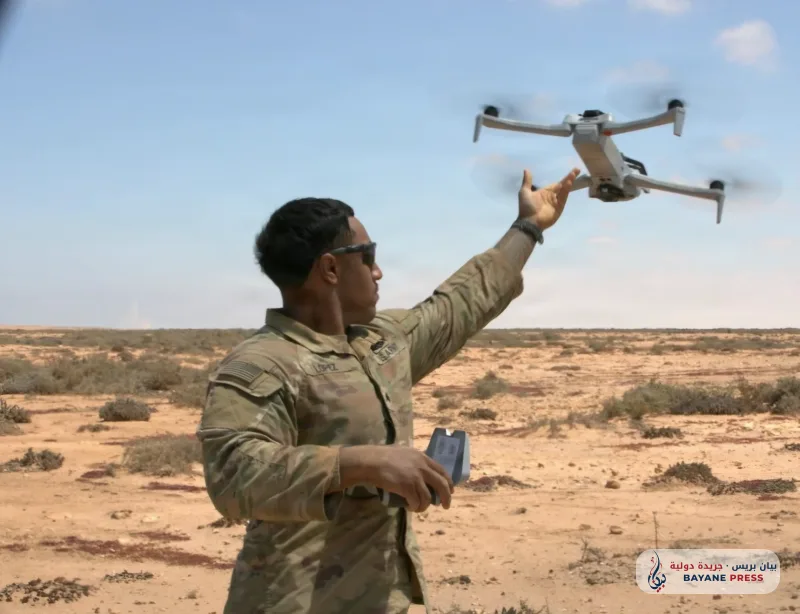
Discussions included the continuity of the Moroccan-American Defense Consultative Committee meetings, the exchange of visits between senior military officials, and the organization of the "African Lion" exercises, which have become one of the most prominent mechanisms for multilateral military cooperation, providing opportunities to exchange expertise and improve interoperability between participating forces.
The Moroccan side also praised U.S. support for the Moroccanness of the Sahara and reviewed the initiatives launched by the Kingdom to strengthen South-South cooperation and regional integration. For his part, the U.S. official commended the role played by Morocco in supporting stability, dialogue, and cooperation in the face of regional and international security challenges.
The visit of the U.S. Congressman holds special importance given the position of the Armed Services Committee within the U.S. legislative branch and its role in debating defense policies, military programs, and legislation related to the defense sector. However, the statement issued following the meeting did not include an announcement of new arms deals or additional industrial agreements.
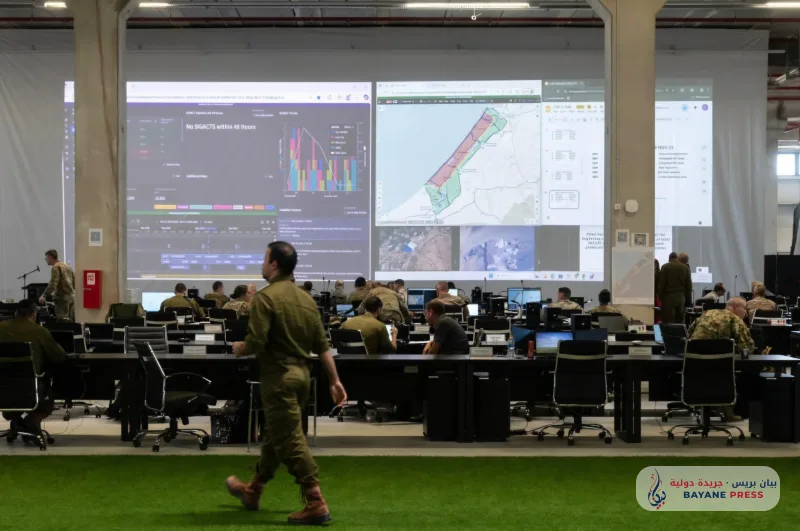
Parallel to the Moroccan-American move, the headquarters of the Royal Armed Forces General Staff in Rabat hosted on Wednesday, November 25, the fourth meeting of the Moroccan-Israeli Joint Military Commission, chaired by Air Division General Fouad Momen on the Moroccan side, and Brigadier General Hedai Zilberman, head of the Planning Division of the Israel Defense Forces, on the other.
The two delegations reviewed the results of activities carried out during 2026 and agreed to prepare a joint work program for 2027, before concluding the meeting by signing the minutes of its proceedings and renewing the commitment to develop bilateral cooperation.
This meeting follows the visit of the Director General of the Israeli Ministry of Defense, Eyal Zamir (Amir Baram), to Morocco on November 9, and is an extension of the Memorandum of Understanding in the security and defense field, signed in Rabat on November 24, 2021.
Despite the importance of this path in the areas of military modernization and the exchange of expertise and technology, the data published regarding the latest meeting did not reveal details of the 2027 program or the nature of the projects it might include, making talk of new contracts or equipment premature.
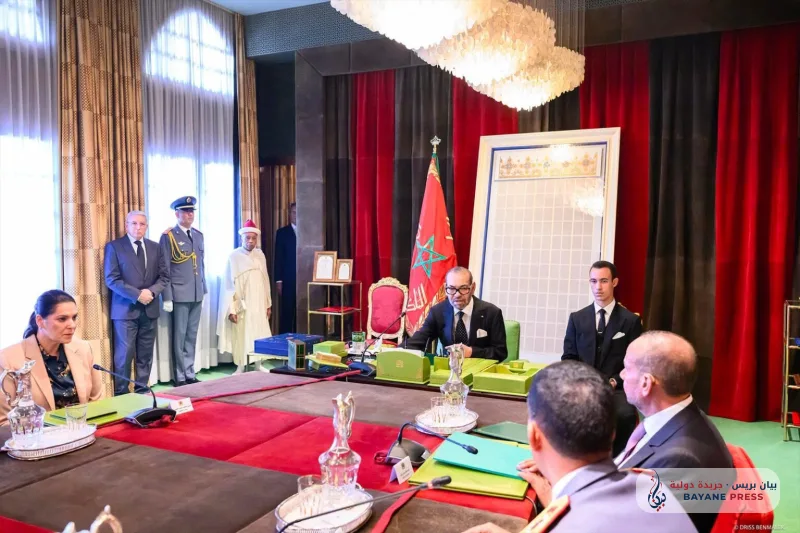
However, the most significant development at the strategic level remains the industrial project to which King Mohammed VI gave a new impetus on Wednesday, when he presided at the Royal Palace in Rabat, accompanied by Crown Prince Moulay El Hassan, over the signing ceremony of two framework agreements to finance the roadmap for the national defense and security industry, and to mobilize the private and financial sectors to contribute to its implementation.
According to official data presented by Ali Seddiki, Director General of the Moroccan Agency for Investment and Export Development (AMDIE), a financial envelope of approximately 22 billion dirhams has been mobilized by public partners to support this project, which aims to create a structural transformation in the Moroccan industrial economy.
This mobilization includes the contribution of the Hassan II Fund for Economic and Social Development, amounting to four billion dirhams, which was previously announced during the presentation of the roadmap on November 18.
The importance of the program is not limited to the volume of mobilized funding, but extends to the economic and industrial goals set for it. Morocco aspires, by 2035, to produce enough to cover 40 percent of the Royal Armed Forces' and security agencies' needs for new equipment, and to create at least 50,000 direct and indirect jobs.
The strategy also aims to reach an annual turnover of no less than 50 billion dirhams by the target horizon, with exports representing more than 65 percent of the sector's revenues, reflecting a trend toward building a defense industry with international reach, not limited to meeting domestic demand.
In the context of organizing this transformation, King Mohammed VI chose the name "DIFAA" for the future Moroccan Agency for Defense and Security Industry, which will be responsible for implementing the state's strategy in this field, supporting investors, monitoring partner commitments, managing support mechanisms, and strengthening the integration between scientific research and industrial production.
Pending the establishment of the agency, the King tasked Ali Seddiki with overseeing the operational preparation for the implementation of the roadmap, while continuing to perform his duties at the head of the Moroccan Agency for Investment and Export Development.
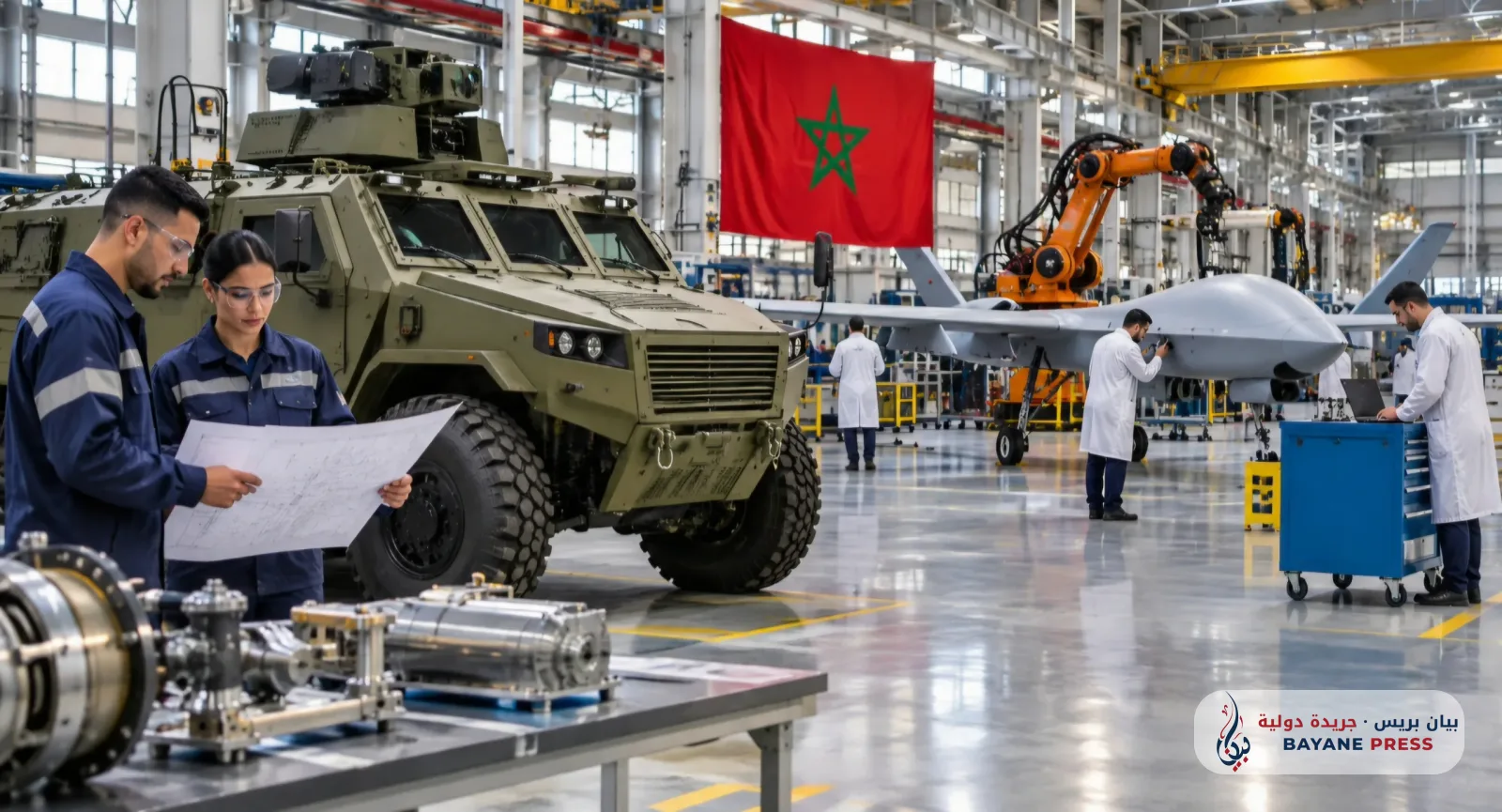
The strategy targets a number of high-tech areas, primarily drones and autonomous systems, land and naval equipment, defense electronics, cybersecurity, and artificial intelligence, in addition to developing design, production, maintenance, testing, and storage capabilities.
The roadmap also includes the creation of two new industrial zones dedicated to the defense industry in Benguerir and Benslimane, in addition to the two zones already launched in Nouaceur and Sidi Yahya El Gharb, allowing for the development of an industrial ecosystem that benefits from the accumulation of national expertise in the aviation, automotive, and electronics sectors.
Among the data revealing that this trend has moved beyond the initial conceptual stage is the granting of production licenses to 13 industrial projects, according to previous statements by Ali Seddiki reported by the "Media24" website, with announced and approved investments exceeding 330 million dollars, with the expectation of creating about three thousand jobs within these initial projects.
The experience of the Indian group "Tata Advanced Systems" in the field of armored vehicle production in Morocco constitutes one of the industrial building blocks of this trend, alongside projects related to the manufacturing and maintenance of drones. These initiatives confirm the possibility of leveraging foreign partnerships to develop local production capabilities, while the level of technology transfer and industrial integration rates remain indicators that should be monitored in the future.
In the broader industrial context, the European Bank for Reconstruction and Development (EBRD) revealed additional funding of 15 million euros for the French group "Figeac Aero," with the aim of expanding its production capacities and modernizing its facilities in Morocco and Tunisia.
Although this funding relates to the aerospace industry and does not represent a direct military agreement, it reflects the continued development of the industrial and technological base that other sectors can benefit from, especially in the areas of precision manufacturing, engineering, skills qualification, and supply chains.
A cross-reading of these developments highlights that Morocco is moving on two complementary levels; the first relates to developing military cooperation with its international partners and diversifying sources of expertise and technology, and the second is based on localizing the defense industry and gradually reducing external dependence.
However, achieving industrial sovereignty does not depend solely on establishing assembly plants, but requires developing research, design, and engineering capabilities, qualifying human resources, increasing the percentage of locally produced components, ensuring the continuity of production and maintenance, and the ability to compete according to international standards.
Furthermore, mobilizing funding and involving banks, investment funds, the capital market, and the private sector opens the way for the emergence of an ecosystem of specialized Moroccan companies, which could make the defense industry an additional engine for growth, innovation, and employment, alongside the automotive, aviation, and renewable energy sectors.
In light of the geopolitical shifts the region is experiencing, and the increasing importance of technological security and the independence of supply chains, this strategy acquires a dimension that goes beyond modernizing military capabilities, to include strengthening the Kingdom's ability to make its defense decisions according to its national needs and priorities.
The official statements issued over the past two days do not carry explicit indications of directing these moves against any specific country, but rather place them within a long-term vision for developing Morocco's defense, industrial, and economic capabilities.
Between military partnerships extending to 2036 and industrial ambitions set for 2035, the features of a strategic shift are becoming clear, intended to move Morocco from the position of an importer of defense technology to that of an industrial partner, producer, and exporter, in a path whose success will remain contingent on its ability to transform funding, agreements, and stated goals into sustainable national production and technological capabilities.
Comments (0)
No comments yet. Be the first to react!