

The United Arab Emirates' strategy to become a global hub for artificial intelligence faces new regulatory challenges as the United States tightens its oversight on exports of advanced electronic chips, amid the widening scope of technological competition between Washington and Beijing.
An analysis published by Reuters, via its economic platform "Breakingviews" on Thursday, November 26, 2026, highlighted the delicate balance the UAE seeks to maintain between leveraging advanced US technology and expanding its companies' presence in international markets.
The Emirati group "G42" occupies a central position in this strategy, given its investments in digital infrastructure, cloud computing, and artificial intelligence, as well as its partnerships with several prominent global technology firms.
In 2024, the American company Microsoft announced a $1.5 billion investment in the Emirati group, a move that strengthened technological cooperation between the two countries and contributed to anchoring Emirati AI projects to US technology.
Initial understandings during 2025 also included the possibility of importing up to 500,000 advanced chips produced by "Nvidia" annually, with a portion allocated to the G42 group and the remainder directed to US companies operating within the UAE.
In July 2026, Washington eased some restrictions on the export of advanced technologies to the UAE, granting specific companies, including G42 and its subsidiary "Core42," facilities in obtaining US chips.
However, these facilities do not automatically cover all Emirati companies, and they remain tied to regulatory and security conditions that allow US authorities to review the privileges granted to beneficiaries.
One sensitive point arises in the regulatory requirements associated with April 2027, which may necessitate additional approvals for some beneficiary companies if they do not meet conditions regarding their legal status under US rules—details of which are still under discussion.
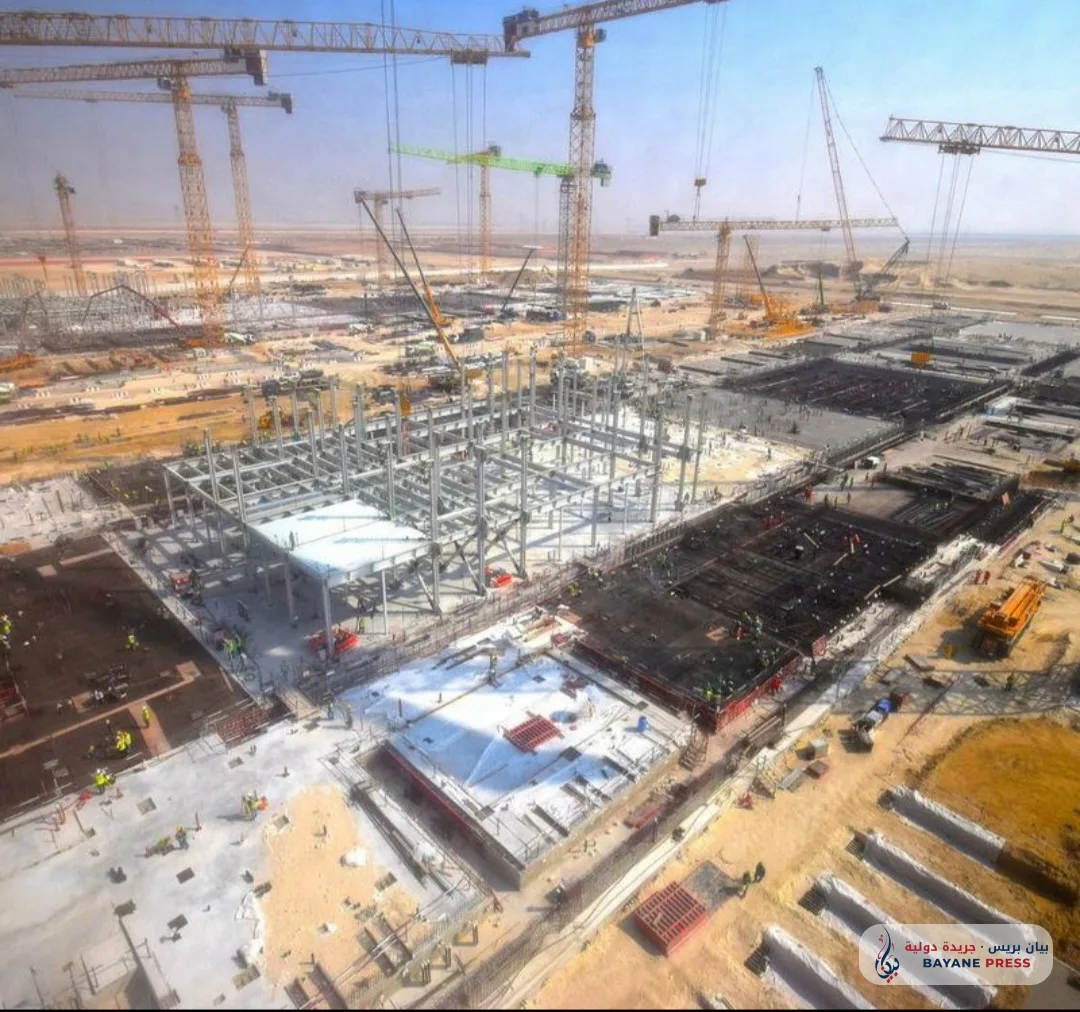
These developments coincide with the Emirati-American AI complex project in Abu Dhabi, which aims to reach a total capacity of five gigawatts, with investments estimated at approximately $30 billion in its first phase, according to the Reuters analysis.
The project includes the "Stargate UAE" initiative, which aims to develop advanced computing infrastructure with a capacity of one gigawatt, with the participation of global companies including OpenAI, Oracle, Nvidia, Cisco, and SoftBank, alongside the G42 group.
US controls are becoming increasingly significant as Emirati investments expand beyond borders, as the fact that an Emirati company receives facilities to import advanced chips does not mean these privileges can be automatically transferred to its projects in other countries.
In this context, the "Financial Times" reported on Thursday that Nvidia has asked some of its industrial partners to stop shipping servers containing its chips to Malaysia, Singapore, Thailand, and Indonesia, amid US concerns over sensitive technology reaching unauthorized parties.
This development represents an additional challenge for technology companies that rely on international networks of data centers, as oversight is no longer limited to the geographical destination of the chips, but extends to the identity of the end-user of their computing power.
Nevertheless, the new restrictions do not mean the cancellation of the Emirati-American technological partnership, nor do available data indicate a halt in chip supplies to the UAE; rather, they reflect the rising importance of regulatory compliance and technological security in shaping the future of this partnership.
The UAE's ability to combine international expansion with maintaining the trust of its American partners remains one of the fundamental pillars for achieving its ambitions in the AI industry, which has become a field of economic and geopolitical competition between major powers.

Comments (0)
No comments yet. Be the first to react!