
Spanish lawyer Juan de Dios Crespo, who led the defense for the Senegalese Football Federation before the Court of Arbitration for Sport (CAS), has revealed new details regarding the legal strategy that allowed Senegal to reclaim the 2025 Africa Cup of Nations title, following the overturning of the decision that had administratively awarded Morocco the victory in the final match.
In media statements published by Spanish outlets on Thursday, November 26, 2026, Crespo explained that his involvement in the case began last February, leveraging his previous ties to Senegalese sports circles and his expertise in international football disputes.
The Spanish lawyer revealed that a Moroccan sports lawyer contacted him two days after the Senegalese side had reached out to him, seeking to explore the possibility of retaining his services for the Moroccan legal team; however, he declined due to his commitment to represent the opposing party.
Crespo considered that the Moroccan team's resumption of the match following the temporary withdrawal of the Senegalese players was one of the key points the Senegalese defense relied upon, explaining that continuing to play and taking the penalty kick reinforced the position of the party that stood by the result recorded on the pitch.
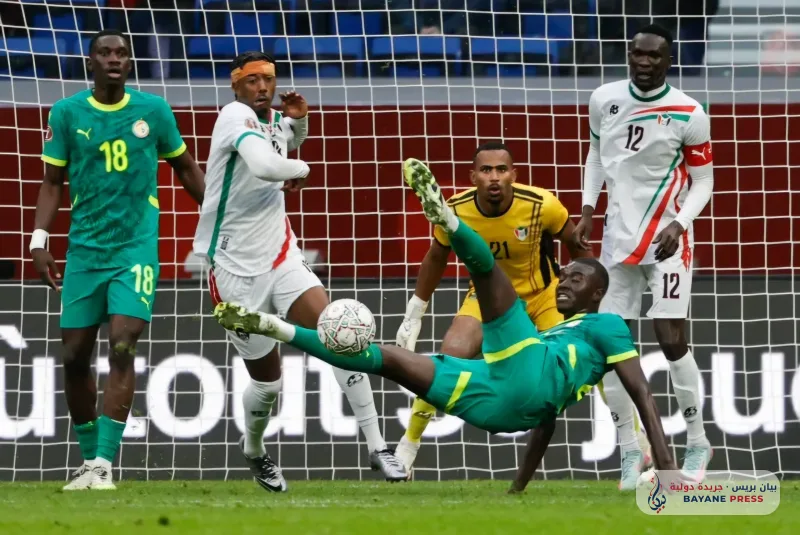
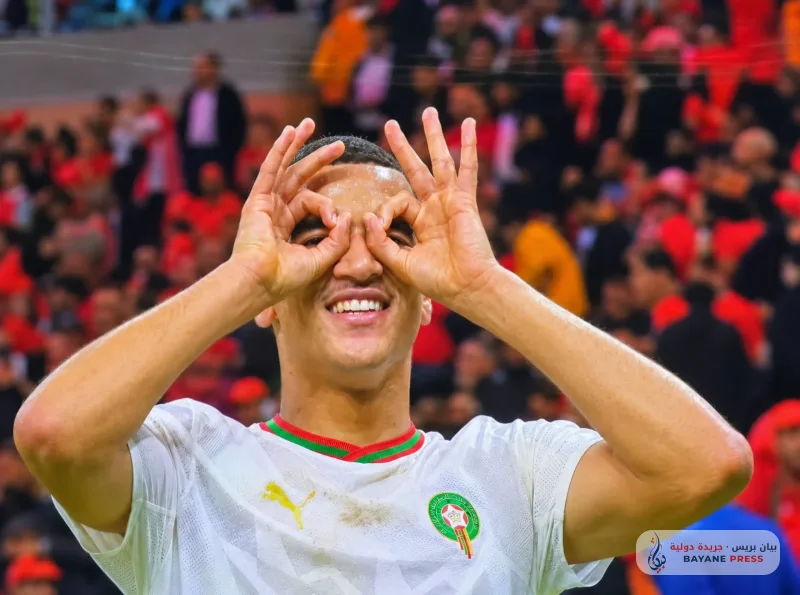
The case dates back to the Africa Cup of Nations final held in Rabat on January 18, 2026, when Senegalese players temporarily left the pitch in protest against a penalty awarded to Morocco, before returning to complete the match, which ended in a 1-0 victory for Senegal after extra time, with a goal scored by Pape Gueye.
The Disciplinary Committee of the Confederation of African Football (CAF) had initially upheld the recorded result, before the Appeals Committee overturned that decision and awarded Morocco a 3-0 administrative victory, based on the competition's regulations.
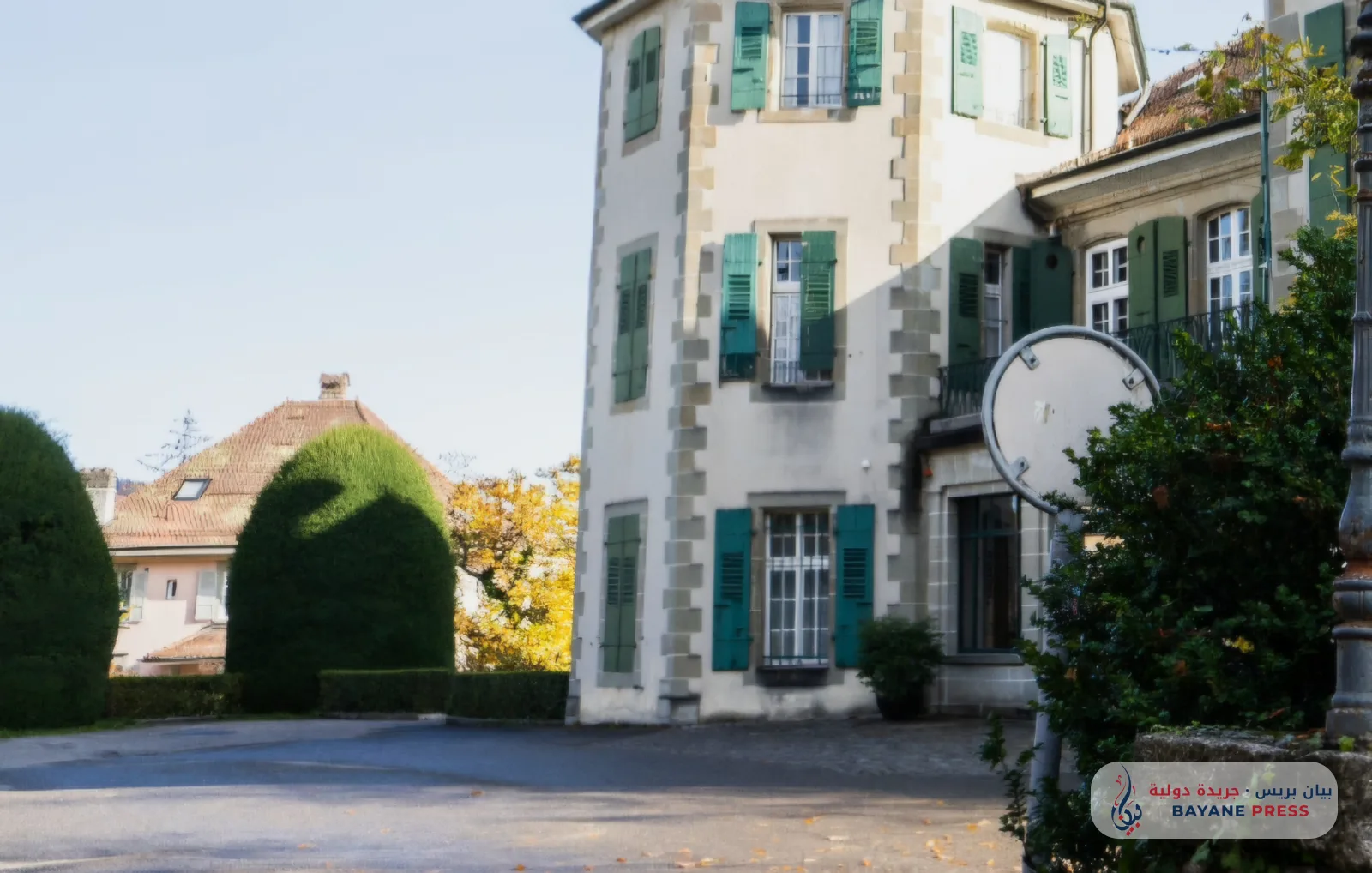
On March 25, 2026, the Senegalese Federation filed its appeal with the Court of Arbitration for Sport, which held a closed-door hearing in Lausanne, Switzerland, on October 8.
The arbitration panel included Frenchman Gérald Simon as president, with German Ulrich Haas and Italian Luigi Fumagalli as members, before issuing its unanimous decision on November 24, overturning the CAF Appeals Committee's ruling and reinstating the Disciplinary Committee's original decision.
According to the court's official statement, the Moroccan side relied on Articles 82 and 84 of the Africa Cup of Nations regulations, arguing that the temporary withdrawal of the Senegalese team necessitated the termination of the match and the imposition of the stipulated sanctions.
However, the arbitration panel determined that the aforementioned articles apply when the conduct of one of the teams leads to the definitive termination of the match, which did not occur in the Rabat encounter after Congolese referee Jean-Jacques Ndala decided to resume play.
The court also distinguished between the sporting result of the match and the disciplinary liability resulting from the Senegalese team's actions, noting that the Senegalese Federation, the national coach, and some players had already been subject to sanctions within the framework of independent disciplinary proceedings.
Discussing the possibility of challenging the ruling before the Swiss Federal Tribunal, Crespo largely ruled out the success of Morocco in changing the result, though this assessment remains the position of the lawyer for the party benefiting from the decision and does not constitute a prejudgment of any subsequent legal proceedings.
The nature of an appeal before the Swiss Federal Tribunal differs from a sports appeal, as the review of arbitration awards is limited to specific legal grounds, without the routine re-examination of all facts and arguments previously presented before the arbitration panel.
Comments (0)
No comments yet. Be the first to react!