

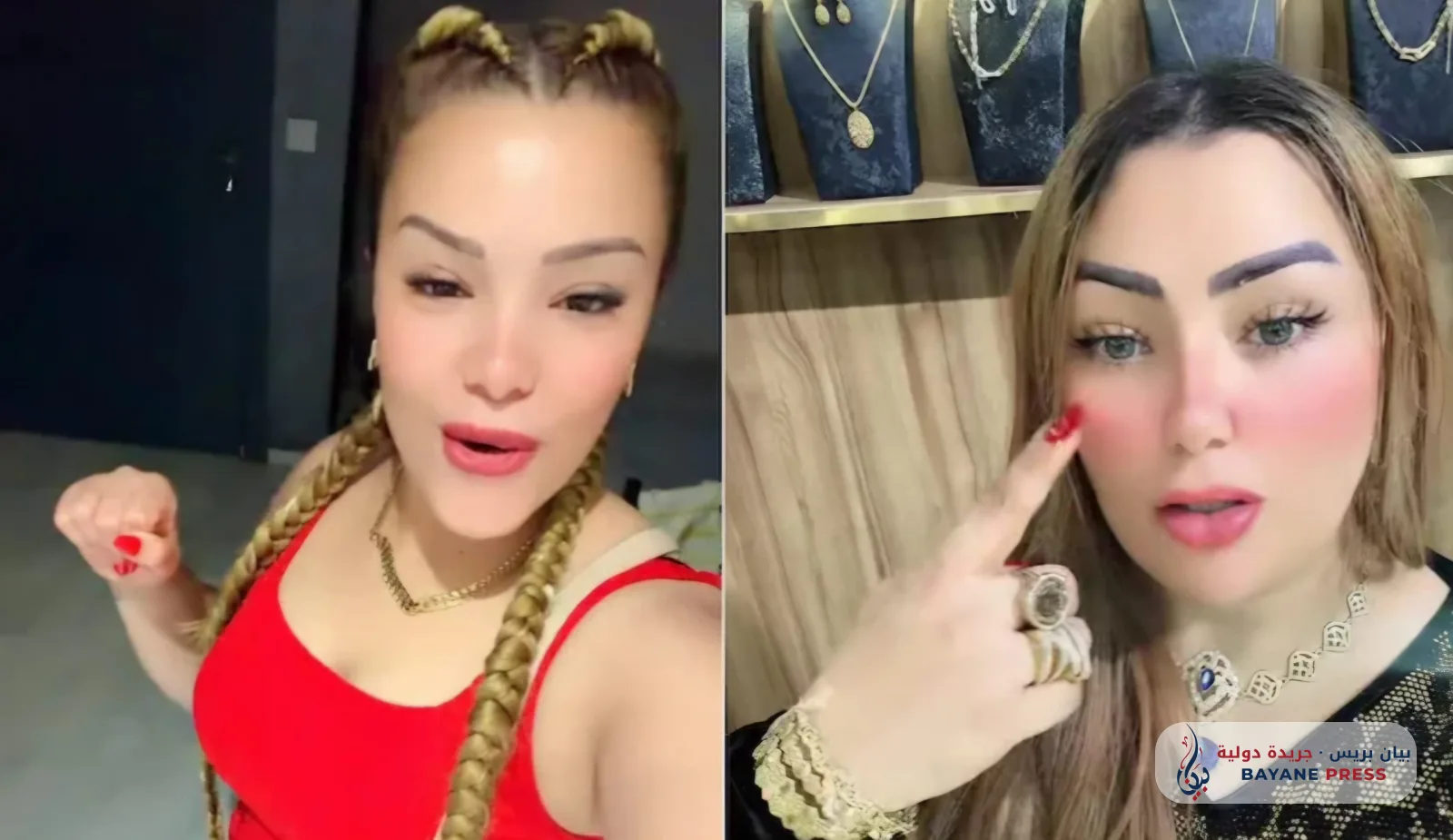
The case of the two content creators known as 'Sultana Bijou' and 'Al-Nahla Al-Fahla' continues to draw attention in Marrakech, after a dispute that began on social media platforms escalated into a legal battle involving accusations of defamation, invasion of privacy, and the dissemination of content suspected of violating the law, amidst new developments involving the entry of a third content creator into the prosecution process.
According to information provided by local sources, the case originated from a dispute between the two influencers regarding an advertising offer for a commercial establishment, which later evolved into an exchange of accusations via videos and live streams on the 'TikTok' application, followed by numerous platform users.
As the dispute intensified, the mutual accusations took a more serious turn, including allegations related to human trafficking, abortion, facilitating prostitution, and threats—claims circulated by the parties involved in the digital space, without such circulation implying their validity or the commission of the mentioned crimes.
Faced with the widening circle of controversy, civil society actors in Marrakech intervened by filing complaints with the Public Prosecution regarding content they deemed offensive and contrary to legal regulations, prompting security services to initiate investigations under the supervision of the competent judicial authorities.
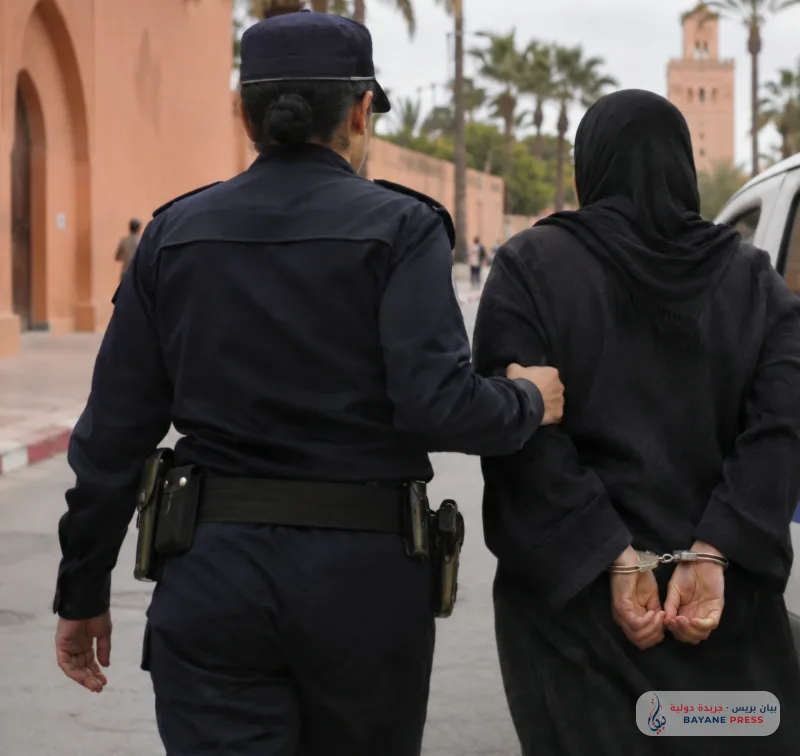
The procedures resulted in the arrest of the two content creators and their referral to the Public Prosecution, which decided on November 7 to prosecute them while in detention and place them in the 'Oudaya' local prison in Marrakech, pending the completion of the trial stages.
According to press reports covering the file, the charges against the two individuals include public indecency, broadcasting and distributing false allegations with the intent to defame and violate privacy, as well as accusations related to psychological violence against a minor and publishing images of individuals without their consent—charges that remain the exclusive jurisdiction of the court to adjudicate.
The case witnessed an additional development on Monday, November 16, after content creator Hicham El Maddah, who was subject to a national search warrant, appeared in court to surrender himself, before security services took him into custody and subjected him to legal procedures.
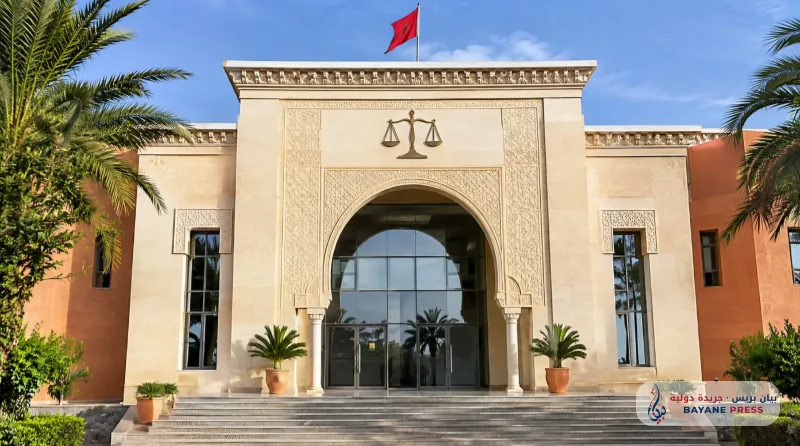
During the same session, the Correctional Chamber at the Court of First Instance in Marrakech decided to postpone the hearing of the influencers' case to Monday, November 23, 2026, to allow the defense team time to prepare their arguments, with reports circulating about the possibility of merging the third defendant's file into the case.
Furthermore, during the November 16 session, the court rejected the defense's motion to release the influencers, meaning they will continue to be prosecuted while in detention in accordance with the judicial decision issued at that time.
This case once again raises the issue of the legal boundaries of freedom of expression on social media, especially when personal and professional disputes turn into public accusations that damage the reputation of individuals and their private lives, or involve the publication of images and information without the consent of their owners.
Pending the completion of judicial procedures, the content creators and other involved parties remain protected by the presumption of innocence, as judicial prosecution does not equate to conviction, and the determination of responsibilities and potential penalties remains subject to the facts and evidence that the court will establish.


Comments (0)
No comments yet. Be the first to react!