

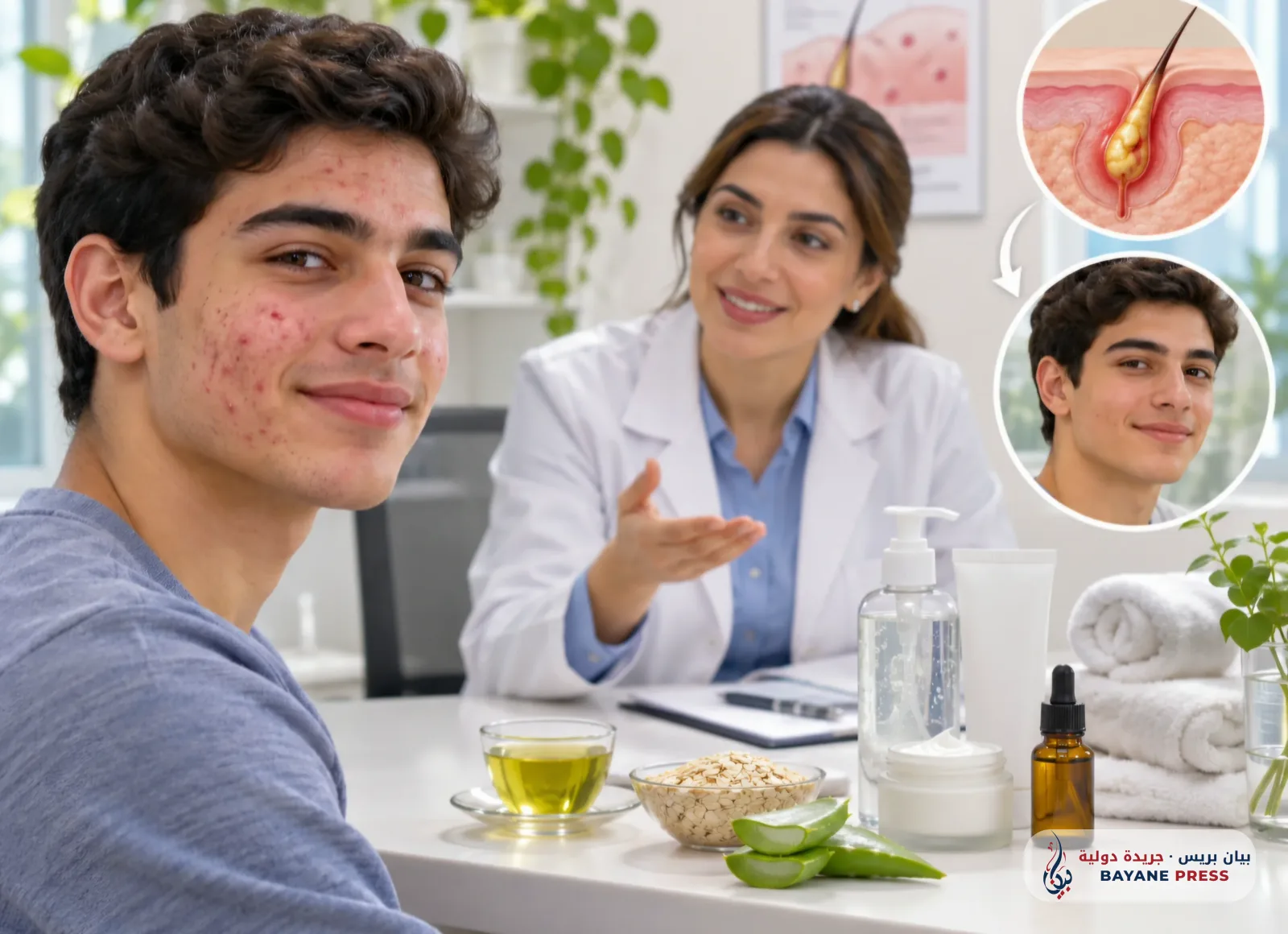
Acne is one of the most common skin diseases in the world, particularly among adolescents and young adults. However, its appearance is not limited to a specific age group, as it may persist well into one's thirties and forties, especially in women. Although this problem may appear on the surface as mere pimples on the face, back, or chest, its effects can extend beyond aesthetics to impact self-confidence and mental well-being, especially when it leaves dark pigmentation or scars that are difficult to eliminate. With significant advancements in dermatology, effective therapeutic methods are now available to control most cases and reduce the likelihood of permanent marks, provided the appropriate treatment is chosen and intervention occurs at the right time.
Acne, medically known as "acne vulgaris," is an inflammatory disease affecting the pilosebaceous units of the skin. It arises when natural oils secreted by sebaceous glands accumulate with dead skin cells inside hair follicles, leading to clogged pores and the appearance of whiteheads and blackheads. Bacteria known as "Cutibacterium acnes," which are naturally present on the skin, may multiply within these follicles, contributing to inflammation and the appearance of red bumps and pustules. In severe cases, the condition may develop into deep, painful nodules under the skin.
Hormonal changes play a major role in the appearance of acne, especially during puberty, when levels of androgenic hormones rise, stimulating sebaceous glands to produce more sebum. Hormonal fluctuations associated with the menstrual cycle, pregnancy, and certain hormonal disorders, such as polycystic ovary syndrome (PCOS), can also affect the severity of the condition in some women. Genetic factors are also significant, as the likelihood of severe acne increases in individuals whose parents or close family members have suffered from the same problem.
Some medications, such as corticosteroids and certain hormonal treatments, may contribute to the appearance or worsening of acne, in addition to the use of cosmetics or hair oils that clog pores. Frequent friction with the skin and sweating under tight clothing may also increase breakouts for some people. As for psychological stress, it is not considered a direct cause of the disease, but it may exacerbate an existing condition due to the hormonal and inflammatory changes associated with stress.
It is a common misconception that acne is a sign of poor personal hygiene or that oily skin requires frequent washing with harsh soap. Excessive face washing or scrubbing violently can weaken the skin's natural barrier and increase irritation and redness, leading to worsening of the problem rather than treating it. Furthermore, acne is not a contagious disease transmitted by shaking hands or casual contact, despite the role of skin bacteria in the inflammatory process.
Symptoms of the disease vary according to its severity. It may begin with the appearance of small blackheads and whiteheads, especially around the nose, forehead, and chin, before some clogged pores develop into red bumps raised above the skin surface. Pustules containing pus may appear, while in more severe cases, deep nodules and painful inflammatory cysts form, which are the types most associated with the risk of permanent scarring. The condition may be accompanied by localized redness and tenderness to the touch, and in some cases, the pimples leave behind brown or red spots that persist for several weeks or months.
Dermatologists emphasize that the first step in treatment begins with identifying the type of acne and its severity, because what works for skin with a limited number of blackheads may not be effective in treating deep, painful pimples. In mild cases, one can rely on a simple daily routine that begins with washing the face twice using a gentle, non-comedogenic cleanser, then applying a moisturizer suitable for acne-prone skin, along with a broad-spectrum sunscreen with an SPF of at least 30 when exposed to the sun.
Among the topical treatments that have proven effective is "benzoyl peroxide," which helps reduce bacteria associated with inflammation and can be used in low concentrations according to the doctor's or pharmacist's instructions. Salicylic acid is also used to help remove dead cell buildup and open clogged pores, while azelaic acid is a suitable option for some acne cases and may also help lighten pigmentation that appears after the pimples have cleared.
Topical vitamin "A" derivatives, known as retinoids, hold an important place in modern treatments, the most famous of which are adapalene and tretinoin. These compounds work to regulate cell turnover within the pores and reduce clogging and the formation of new pimples. However, their use may cause dryness or irritation at the beginning of treatment, so the doctor may advise gradual use. Retinoids should also be avoided during pregnancy and when planning for it, and one should consult a doctor to choose safe alternatives.
In moderate inflammatory cases, a dermatologist may prescribe products that combine more than one therapeutic agent, or topical antibiotics such as clindamycin. However, antibiotics should not be used alone, but rather as part of an appropriate treatment plan, often in conjunction with benzoyl peroxide, to limit the development of bacterial resistance to antibiotics. Moderate to severe cases may require oral antibiotics for a limited period under medical supervision, with continued supportive topical treatments.
For women whose acne is linked to hormonal changes, the doctor may in some cases recommend hormonal treatments, including specific types of combined oral contraceptive pills or spironolactone, depending on medical history and contraindications. These medications are not suitable for all women and should not be taken without a prescription and specialized follow-up.
In cases of severe acne that leaves scars or does not respond to standard treatments, oral isotretinoin is one of the most effective medications, as it works to reduce oil production, inflammation, and pimple formation. Although it can cause significant improvement that may last for long periods, it requires careful medical supervision due to its potential side effects, the need for monitoring and appropriate tests, as well as its extreme risk to the fetus, which imposes strict precautions to prevent pregnancy during treatment and for a specific period after its completion according to medical instructions.
In addition to modern medicines, traditional recipes based on honey, aloe vera, green tea, or tea tree oil are popular. Although there are limited studies suggesting that some of these substances may have soothing or anti-inflammatory properties, scientific evidence is insufficient to consider them a reliable alternative to approved medical treatments, and there is no home remedy that guarantees the elimination of acne or the prevention of scars. Concentrated essential oils and unsuitable natural products may cause irritation or skin sensitivity that makes the condition worse.
Therefore, experts advise against harsh home practices, such as applying lemon juice, concentrated vinegar, or toothpaste to pimples, because these substances may lead to skin irritation or chemical burns and pigmentation that are difficult to treat. One can benefit from simple and safe methods, such as cold compresses to temporarily relieve pain and swelling, and gentle cleansing and regular moisturizing, but these are supportive measures and not a cure for the underlying cause of the disease.
Regarding nutrition, some studies indicate a possible link between foods with a high glycemic index and the worsening of acne in some people. Other research has shown potential links to certain dairy products, but the results are not conclusive for all cases. Therefore, medical guidelines do not recommend imposing a strict diet as a guaranteed cure, but rather encourage adopting a balanced diet and monitoring factors that the individual notices are associated with the worsening of their skin without resorting to unjustified dietary deprivation.
Reducing the appearance of pigmentation and scars is one of the primary goals of treatment, especially since some scars may last for many years and may be permanent. Prevention begins by treating inflammation early and not squeezing or piercing pimples with fingernails or household tools, because pressure on them may push their contents into deep tissues and increase inflammation and skin damage. Furthermore, frequent picking at pimples increases the likelihood of pigmentation and scarring and increases the risk of secondary infection.
It is necessary to distinguish between color changes and true scars. Flat red or brown spots that appear after pimples disappear do not necessarily mean a permanent scar has occurred; they are often known as post-inflammatory hyperpigmentation and can gradually fade over months, with the possibility of accelerating the improvement of some by using appropriate products determined by the doctor. True scars occur when the skin structure is damaged and may appear as depressed pits or raised scars, and they usually do not disappear completely with traditional creams.
Advancements in cosmetic dermatology have provided various means to improve the appearance of these scars, including fractional laser, microneedling, medical chemical peels, and subcision techniques for scars attached to deep tissues, in addition to cosmetic injections in selected cases. The doctor chooses the procedure according to the type of scar, its depth, and skin tone, while considering the risks of pigmentation or irritation, especially in those with darker skin. It is important to treat and control active acne before starting most scar treatment procedures to prevent the formation of new marks during treatment.
These procedures do not achieve the same results in all patients, and available therapeutic methods do not guarantee the permanent removal of scars in all cases. Some people may need multiple sessions or a combination of techniques to improve skin texture and appearance, while other cases benefit from topical treatments alone when the problem is merely superficial pigmentation.
One common mistake is stopping treatment after a few days because no rapid improvement is noticed, as most topical treatments need several weeks before clear results appear. Guidelines from the American Academy of Dermatology indicate that initial improvement may take six to eight weeks, while achieving greater results may require three to four months. Frequently switching between products or randomly combining them leads to increased irritation and may delay improvement.
Large, painful pimples, the appearance of early scarring, or the persistence of the condition despite appropriate treatment warrant a visit to a dermatologist. It is also recommended to seek a medical evaluation if acne causes significant psychological distress or is accompanied in women by menstrual irregularities or unusual hair growth, as these signs may require investigation for an associated hormonal disorder.
Getting rid of acne is no longer just a cosmetic issue that relies on hiding or temporarily drying out pimples; it has become part of comprehensive healthcare aimed at controlling inflammation, preventing the appearance of new pimples, and protecting the skin from long-term pigmentation and scarring. While gentle traditional care provides important support for skin health, evidence-based medical treatments remain the most reliable way to deal with persistent and severe cases. Early diagnosis, patience with treatment, and avoiding picking at pimples remain essential factors for achieving clearer skin and minimizing the effects of the disease as much as possible without making unrealistic promises that all scars will disappear.



Comments (0)
No comments yet. Be the first to react!