

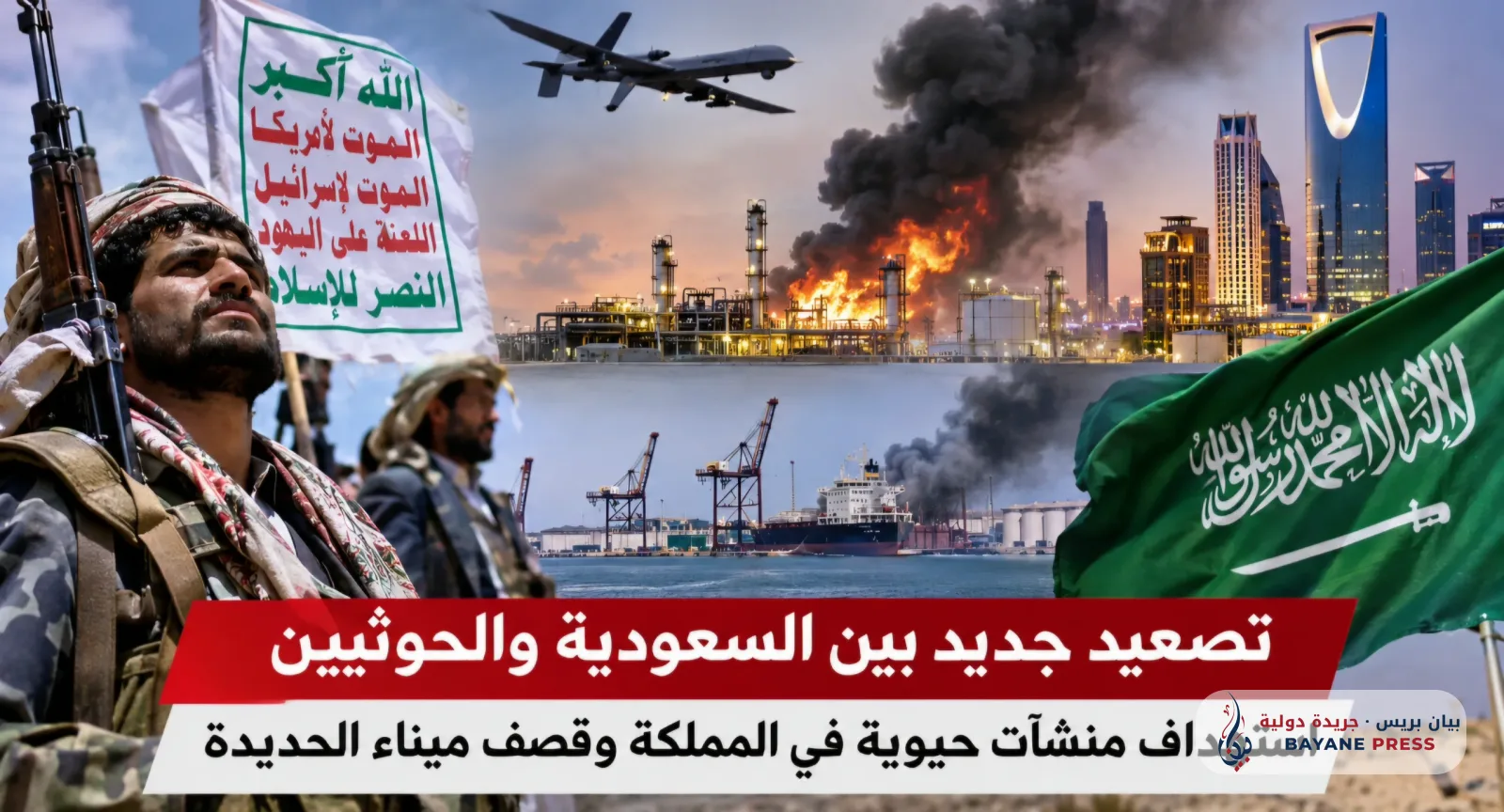
The military confrontation between Saudi Arabia and the Houthi group is heading toward new levels of escalation, as mutual operations have extended to energy facilities, financial centers, and seaports. This development places the region's economic and security interests before growing challenges, coinciding with intensifying battles inside Yemen and rising concerns regarding the safety of international shipping.
The Houthi group announced, on Wednesday, November 25, 2026, that it had targeted the Ras Tanura oil refinery in eastern Saudi Arabia and the King Abdullah Financial District in Riyadh, stating that its operations were in response to airstrikes carried out by the Kingdom-led coalition on Sanaa and other Yemeni regions.
The group's military spokesperson, Yahya Saree, claimed that the attack on the refinery caused fires and that the operations targeting the financial center resulted in significant damage, though the extent of the damage could not be independently verified.
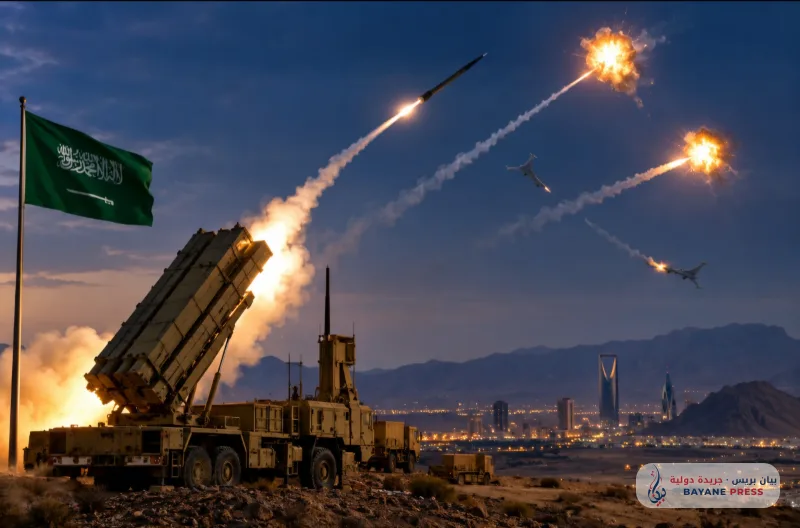
In contrast, the official spokesperson for the Coalition Forces, Brigadier General Turki Al-Maliki, announced the interception and destruction of four drones in Ras Tanura, noting that debris from the interception fell, with no injuries reported according to initial assessments. Saudi authorities did not confirm the Houthi claims regarding the refinery fire.
The Ras Tanura area holds special strategic importance as one of the Kingdom's most vital industrial and oil bases, housing refining, storage, and crude oil export facilities, making any potential disruption to its activities a source of concern for the energy sector and international markets.
These developments followed an attack on the Saudi Public Investment Fund tower, located within the King Abdullah Financial District in Riyadh, on Tuesday, November 24, which, according to Saudi authorities, resulted in the injury of 11 people, including two Saudi citizens, two Indians, three Nepalese, and four Egyptians.
This is the second attack on the same tower in less than a week, following an incident on November 19 that caused material damage but no human casualties. A building belonging to Saudi Aramco within the financial district was also reportedly targeted earlier that same month, according to international media reports.
On the Yemeni side, the Saudi-led coalition announced airstrikes on the port of Hodeidah, confirming it had targeted facilities linked to its operational capabilities, in addition to bombing other targets in the Saada and Amran governorates, after issuing a warning to civilians to evacuate the port for their safety.
For their part, Houthi-affiliated media reported that the city of Hodeidah and its international airport were bombed, without providing an independent or confirmed toll of the losses resulting from those operations.
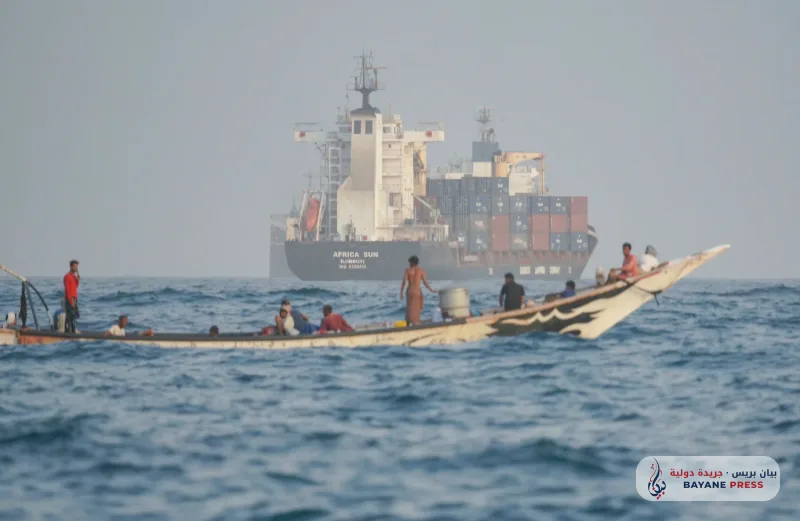
In a development reflecting the widening circle of threats, the Houthis vowed to target the port of Jeddah and other Saudi ports along the Red Sea coast in response to the bombing of Hodeidah, raising concerns about the impact of the confrontation on commercial shipping traffic and international supply chains.
The repercussions of targeting the port of Hodeidah are not limited to the military aspect, as the port serves as one of the main gateways for food, essential goods, and humanitarian aid to large parts of Yemen, where large segments of the population rely on imports to secure their daily needs.
Parallel to the escalation between Saudi Arabia and the Houthis, concerns are growing within Yemen regarding the future of Aden, the temporary capital of the internationally recognized government, after government forces announced their readiness to repel any potential attack by the group, amid ongoing clashes and the redeployment of troops on several fronts.
The repercussions of the attacks have extended to the diplomatic sphere, with Qatar and Pakistan condemning the targeting of the financial tower in Riyadh, while India expressed concern over the injury of two of its citizens, warning of the consequences of targeting civilians for regional security and stability.
Saudi Foreign Minister, Prince Faisal bin Farhan, also held calls with several counterparts, including US Secretary of State Marco Rubio, discussing the attacks on civilian and energy facilities and the need to ensure freedom of navigation in the Straits of Hormuz and Bab al-Mandab.
Since the resumption of fighting in Yemen last July, the scope of confrontations between the Houthis and Saudi-backed government forces has expanded, coinciding with regional tensions linked to the war with Iran, which has added new complexities to the Yemeni conflict and weakened prospects for containment.
The shift of the confrontation to oil, financial, and port facilities reveals a transformation in the nature of the conflict, whose repercussions are no longer confined to Yemeni territory or Saudi border areas, but have begun to threaten economic, humanitarian, and commercial interests that transcend the borders of both countries, at a time when prospects for de-escalation remain unclear and the risks of a wider confrontation persist.


Comments (0)
No comments yet. Be the first to react!